


SpaceX has defended its proposal for a 100% property tax exemption lasting 10 years on a planned $24 billion data center and power generation project in Starbase, Texas. The company says the arrangement would help protect local governments from unpredictable changes in tax revenue caused by fluctuations in the value of computing equipment.
The statement follows a decision by local commissioners to reject a public hearing on the proposed tax agreement, creating uncertainty around the project's financial arrangements.
SpaceX argues that its proposal would provide predictable payments to local authorities while supporting further investment in the Starbase area.
The company has also indicated that the availability of tax incentives could influence whether it proceeds with additional development in Starbase or considers other locations.
SpaceX Says Data Center Equipment Values Could Create Tax Revenue Problems
One of SpaceX's main arguments concerns how quickly the value of computing equipment can change.
Large data centers require substantial investments in processors, accelerators, servers, networking equipment, and supporting infrastructure.
Although these assets can have considerable value when first installed, technological developments can reduce their assessed value over time.
SpaceX argues that this creates uncertainty for local governments relying on property taxes generated by computing facilities.
Under Texas tax rules, increases in property values can affect the tax rates local governments are permitted to impose.
According to SpaceX, a substantial increase in taxable property value from a new data center could lead to lower tax rates.
If the computing equipment later loses value because of depreciation or technological obsolescence, the resulting reduction in the tax base could create problems for future revenue collection.
The company says its proposed arrangement is intended to address this uncertainty.
SpaceX Proposes Predictable Payments Instead of Conventional Property Taxes
SpaceX has proposed using payments in lieu of taxes, commonly called PILOTs, as part of the agreement.
These payments would provide an alternative revenue arrangement while the company receives the requested property tax abatement.
SpaceX argues that predictable payments could help the county plan its finances without relying entirely on the changing assessed value of computing equipment.
The company also maintains that the arrangement would encourage additional investment in the region.
However, the proposal has not received the necessary local approval.
The main details of the project and tax request include:
| Detail | SpaceX Proposal |
|---|---|
| Project location | Starbase, Texas |
| Planned investment | $24 billion |
| Infrastructure | Data center and gas generation power plant |
| Requested tax abatement | 100% |
| Proposed duration | 10 years |
| Alternative revenue arrangement | Payments in lieu of taxes |
| Current status | Public hearing request rejected |
The exact payment amounts and other financial terms were not detailed in the company's latest statement.
Without those figures, it is difficult to determine how the proposed payments would compare with conventional property tax revenue over the same period.
Local Commissioners Reject Public Hearing on Tax Proposal
The dispute follows two separate developments involving SpaceX's plans in the Starbase area.
Local commissioners previously approved the annexation of 444 acres connected to the company's Starbase site.
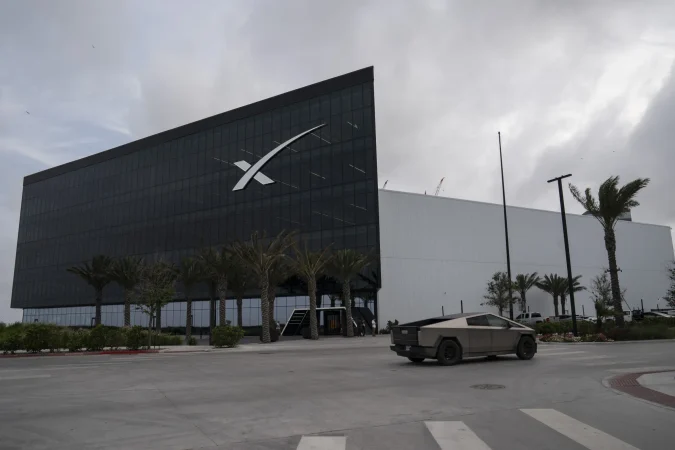
However, a subsequent vote rejected moving forward with a public hearing on the requested tax abatement.
The decision represents a setback for SpaceX's efforts to secure the proposed financial incentives.
It does not necessarily mean that the underlying data center development has been permanently rejected.
SpaceX has previously indicated that the tax arrangement is important to its decision about where to pursue additional investment.
Following the vote, the company said it remains interested in discussions with local authorities about maximizing economic benefits while protecting sustainable tax revenue.
Starbase Expansion Includes Data Centers and Gas Power Generation
Starbase already plays an important role in SpaceX's manufacturing and launch operations.
The company builds and launches its Starship rocket system from the Texas location, making the area central to its long term space transportation plans.
The proposed $24 billion development would expand the site's role into large scale computing infrastructure.
The project also includes gas powered electricity generation, which would help supply the considerable energy required by data center operations.
Demand for computing capacity has increased as companies expand artificial intelligence development and related services.
SpaceX has been developing computing infrastructure that can be rented to technology companies, including firms such as Anthropic and Google.
The proposed Starbase investment would therefore support activities beyond the company's existing rocket manufacturing and launch operations.
However, the project remains subject to local decisions concerning taxation, infrastructure, and development arrangements.
Tax Agreement Remains Uncertain as SpaceX Seeks Further Discussions
SpaceX's explanation focuses on the long term financial effects of rapidly depreciating computing infrastructure.
The company argues that conventional property taxation could create unpredictable revenue changes, while negotiated payments could provide greater stability.
Local authorities must also consider the value of any proposed incentives against the revenue they would otherwise collect.
The requested exemption covers 100% of eligible property taxes for a decade, making the financial terms important for both the company and the surrounding community.
SpaceX has not announced a revised tax proposal or confirmed whether it will pursue the same arrangement through another approval process.
For now, the company says it intends to continue discussions with local jurisdictions.
The outcome will determine whether SpaceX can secure its preferred tax structure for the $24 billion Starbase project or must consider different financial arrangements for the planned data center and power generation facilities.



Discussion (0)
Be the first to comment.