


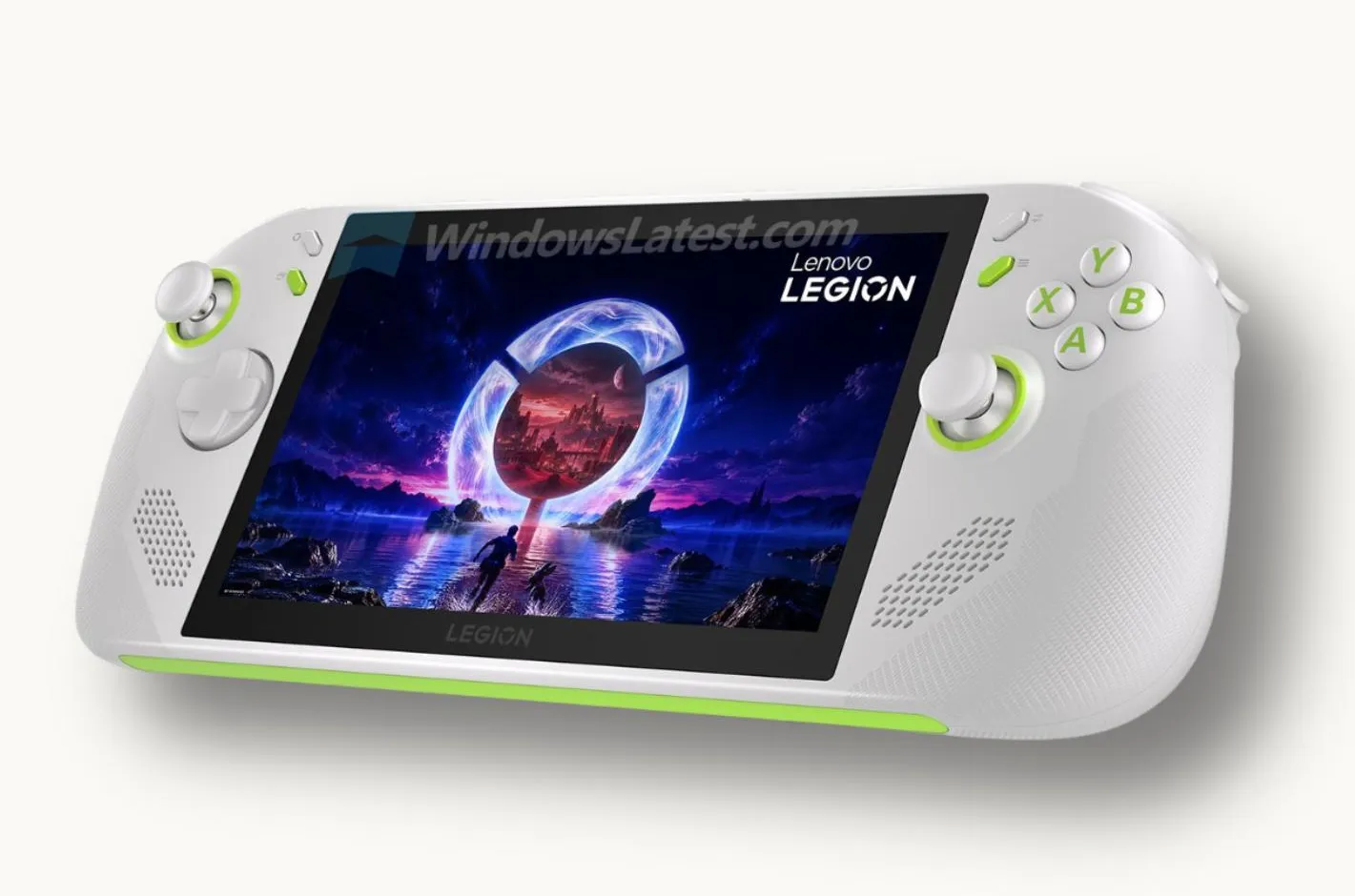
Lenovo may be preparing a more affordable addition to its portable gaming lineup, with leaked renders revealing a previously unannounced handheld called the Legion Go Beam.
The device appears to be designed as a lower cost alternative to Lenovo's existing Legion Go models, featuring fixed controllers, a simplified chassis, and fewer hardware features.
The leak arrives as premium gaming handheld prices continue to rise, with some configurations of the Legion Go 2 reportedly reaching approximately $1,999 at major retailers.
Although Lenovo has not officially announced the Legion Go Beam, the leaked images suggest the company could be preparing a device aimed at buyers who want portable PC gaming without paying flagship prices.
The handheld could potentially be revealed during Lenovo's Tech World event at CES 2027 on January 6, although this remains unconfirmed.
Lenovo Legion Go Beam Features a White and Green Design
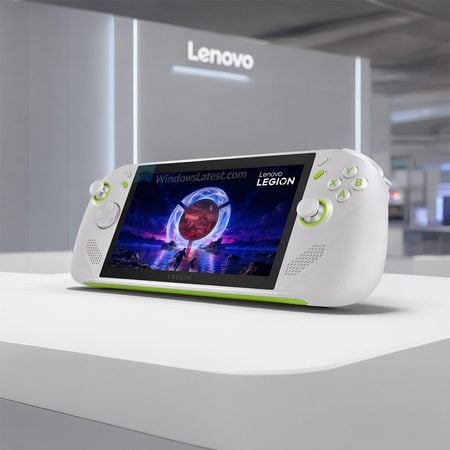
According to leaked renders, the Legion Go Beam has a noticeably different appearance from the original Legion Go and Legion Go 2.
The device features a white body with bright green accents surrounding the thumbsticks, power button, and lower edges.
Its appearance resembles Lenovo's Legion Go S, although several design elements have been simplified.
Unlike Lenovo's more expensive handhelds, the Beam appears to use permanently attached controllers instead of detachable ones.
The images also show rounded grips with textured surfaces, front facing speakers, and an asymmetrical thumbstick layout similar to Xbox controllers.
The display appears to have thicker bezels than some premium gaming handhelds, with enough space beneath the screen to accommodate a Legion logo.
These changes could allow Lenovo to reduce manufacturing costs while retaining essential gaming controls.
Lenovo May Remove Several Features to Reduce Costs
The leaked design suggests that Lenovo has removed some of the features available on other Legion Go devices.
One of the most noticeable omissions is the trackpad normally positioned beneath the right thumbstick.
The trackpad is particularly useful for navigating Windows menus and applications when a mouse is unavailable.
Its absence could make conventional desktop navigation less convenient, depending on the operating system Lenovo chooses.
The Beam also appears to lack detachable controllers, a built in kickstand, and the FPS mouse mode found on certain Legion Go models.
However, the device retains standard shoulder buttons, triggers, and additional rear controls.
Two rear paddles labeled Y1 and Y2 are visible, providing extra inputs that could be useful in games supporting customizable controls.
The top edge includes a headphone jack, microSD card slot, two ventilation openings, and a single USB C port.
By comparison, the Legion Go S includes two USB C connections.
| Feature | Leaked Legion Go Beam Design |
|---|---|
| Chassis | White with green accents |
| Controllers | Fixed |
| Thumbsticks | Asymmetrical layout |
| Rear buttons | Two paddles labeled Y1 and Y2 |
| Speakers | Front facing |
| Trackpad | Not visible |
| USB C | One visible port |
| Storage expansion | microSD slot |
| Headphone connection | Present |
| Kickstand | Not visible |
These details come from leaked renders and have not been independently confirmed through an official product announcement.
AMD Ryzen Z3 and Intel Panther Lake Are Possible Processor Options
The internal hardware remains one of the biggest unanswered questions surrounding the Legion Go Beam.
The leaked images do not reveal the processor, memory configuration, battery capacity, or display specifications.
Lenovo could choose from several processors depending on its intended performance and pricing targets.
One possibility is a lower end Intel Panther Lake processor featuring eight efficiency cores and four Xe3 graphics cores.
Another potential option is AMD's upcoming Ryzen Z3 family, which is expected to target portable gaming devices.
Lenovo could also use existing processors such as the Ryzen Z2 Go or Ryzen Z2 A to control manufacturing costs.
However, these are speculative possibilities rather than confirmed hardware specifications.
The choice of processor will determine how the device handles demanding PC games, power consumption, and battery life.
Windows 11 or SteamOS Could Power the Legion Go Beam
The operating system is another detail Lenovo has yet to confirm.
The company already offers the Legion Go S with Windows 11 and SteamOS, making both platforms possible candidates for the Beam.
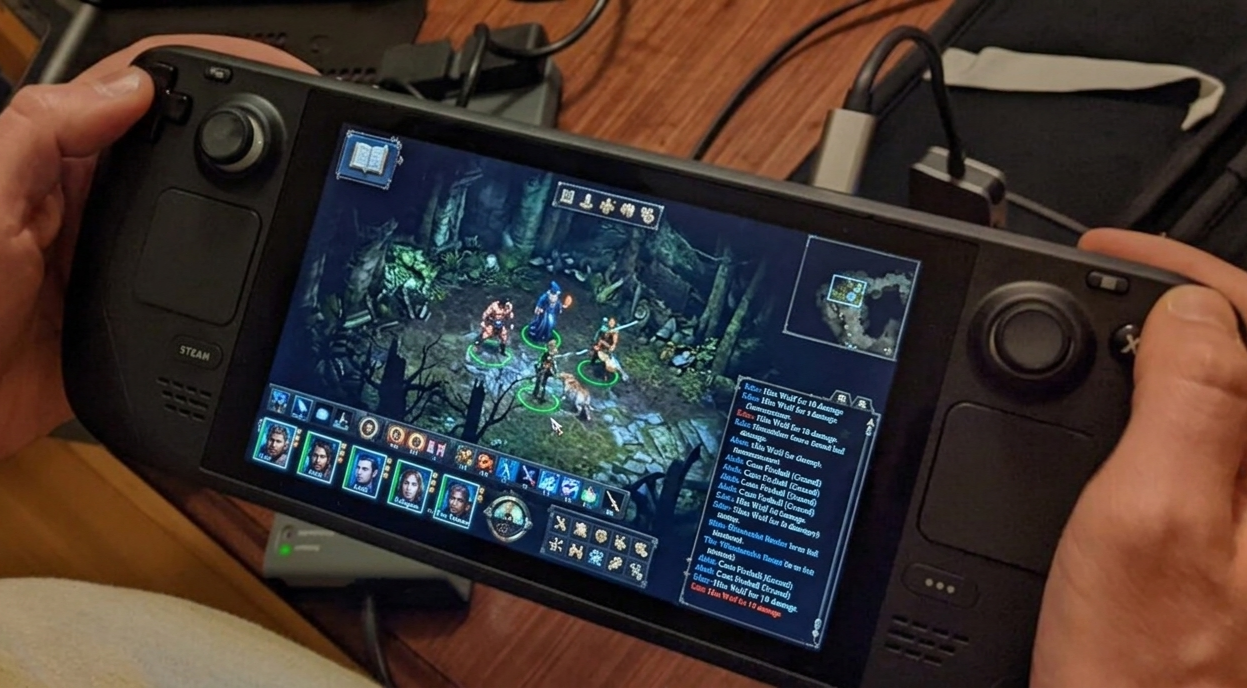
Windows 11 would provide access to a broad range of PC game launchers and applications, although its desktop interface can sometimes be less convenient on smaller handheld screens.
Microsoft has recently introduced several improvements intended to make Windows more suitable for portable gaming devices.
These include handheld focused Xbox experiences, faster access to gaming interfaces, and improvements related to shader delivery and responsiveness on lower memory configurations.
SteamOS, meanwhile, offers a gaming focused interface designed around controller navigation.
The operating system could be particularly suitable for a device without a dedicated trackpad.
However, Lenovo has not indicated whether the Beam will launch with Windows, SteamOS, or both.
Lenovo Legion Go Beam Could Debut at CES 2027
The Legion Go Beam currently has no confirmed release date or official price.
Its simplified design suggests Lenovo may be targeting a more affordable segment of the handheld gaming market, but the actual pricing will depend on its internal specifications.
A possible announcement could take place on January 6, 2027, when Lenovo is expected to hold its Tech World event during CES.
Until then, the Legion Go Beam remains an unannounced product known primarily through leaked renders.
If the device reaches the market, it could expand Lenovo's handheld lineup with a simpler alternative to the increasingly expensive Legion Go 2.
The key remaining details are its processor, display specifications, battery capacity, operating system, and final retail price.


Discussion (0)
Be the first to comment.