



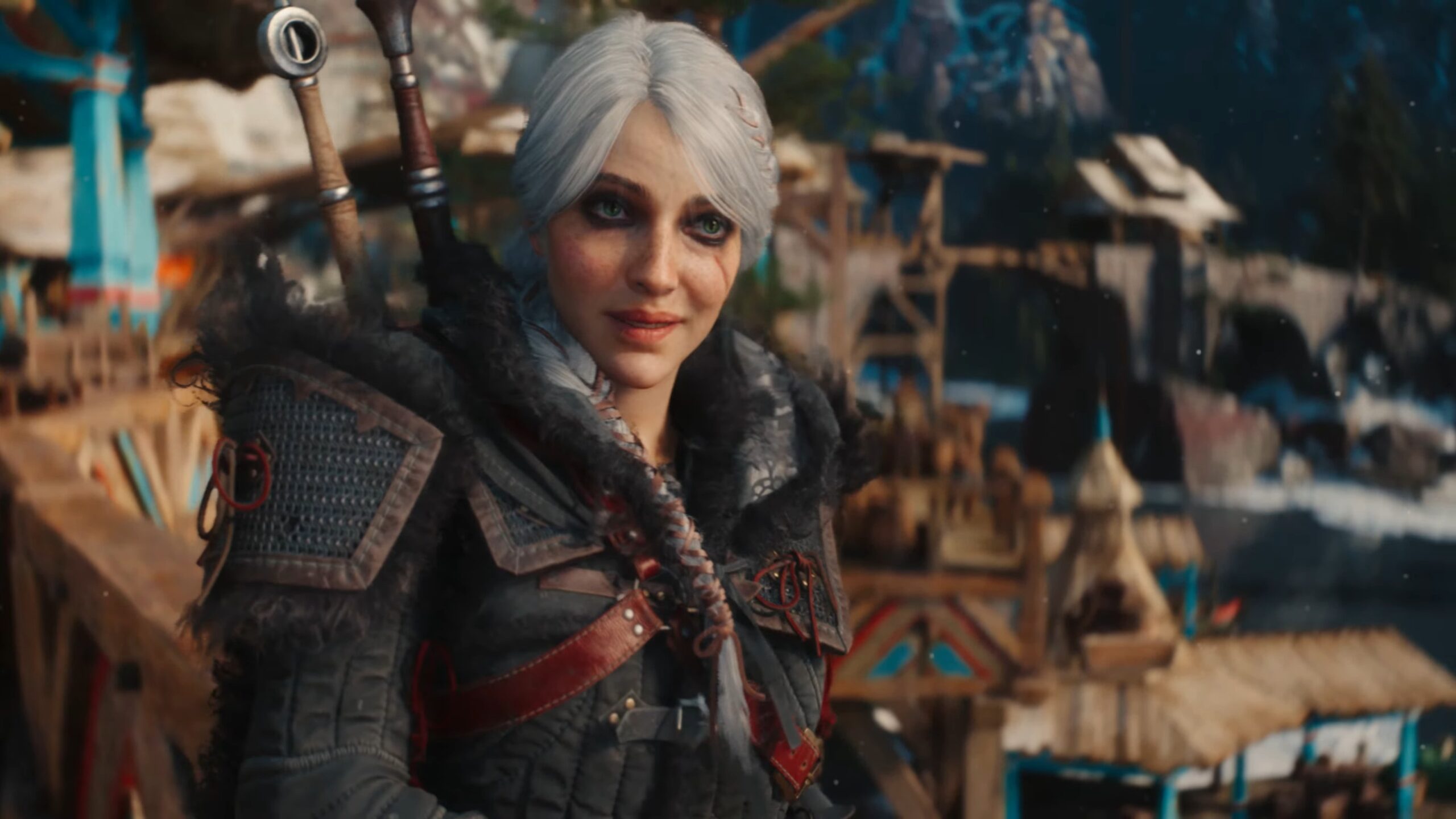
The Witcher 4 may improve one of the most debated parts of CD Projekt Red’s fantasy RPG series: combat. A recent discovery suggests that Jacqueline Kate Salsman, a former senior combat designer at Santa Monica Studio, has joined CD Projekt Red as an Expert Gameplay Designer and is now working on The Witcher 4.
Salsman previously worked on God of War and God of War Ragnarok, two games widely praised for their heavy, responsive, and flexible third person combat. That does not confirm exactly how The Witcher 4 will play, but it is a promising sign for players who hope the next entry will deliver deeper and more satisfying action than The Witcher 3.
The Witcher 3 remains one of the most respected RPGs ever made, thanks to its writing, world design, quests, characters, and atmosphere. Still, its combat has often been viewed as the weakest part of the experience. It was functional and easy to understand, but it rarely reached the same quality as the game’s storytelling or exploration.
That criticism matters more for The Witcher 4 because the new game is expected to focus on Ciri. Unlike Geralt, Ciri has far more unusual powers in the lore, including teleportation like movement and abilities tied to space and time. If CD Projekt Red wants combat to match her potential, the studio may need a more ambitious system than the one used in The Witcher 3.
God of War’s combat experience could help The Witcher 4 feel more physical
The modern God of War games are known for combat that feels direct, weighty, and layered. Kratos has distinct weapons, shield options, runic attacks, companion support, and enemy encounters that reward timing, positioning, and smart ability use. The combat also gives skilled players room to experiment without making the basics too difficult to understand.
That kind of design experience could be useful for The Witcher 4. A Witcher game does not need to copy God of War, but it could benefit from clearer enemy behavior, stronger hit feedback, better ability combinations, and more meaningful use of signs, dodges, parries, and special powers.
| Area | Why it matters for The Witcher 4 |
|---|---|
| Combat designer hire | Adds experience from God of War and God of War Ragnarok |
| Ciri as lead | Her powers could support faster and more creative combat |
| Series criticism | Combat has often been seen as weaker than story and world design |
| CD Projekt Red’s challenge | Improve action without losing RPG depth |
| Player expectation | Fans want a system that feels modern, responsive, and flexible |
Ciri gives CD Projekt Red a chance to rethink the formula
Ciri’s role could be the biggest reason The Witcher 4 needs a stronger combat system. Geralt’s fighting style was based around swordplay, signs, potions, oils, bombs, and monster knowledge. That made sense for him as a professional monster hunter. Ciri can still use a blade, but her abilities allow for a different pace and a wider range of movement.
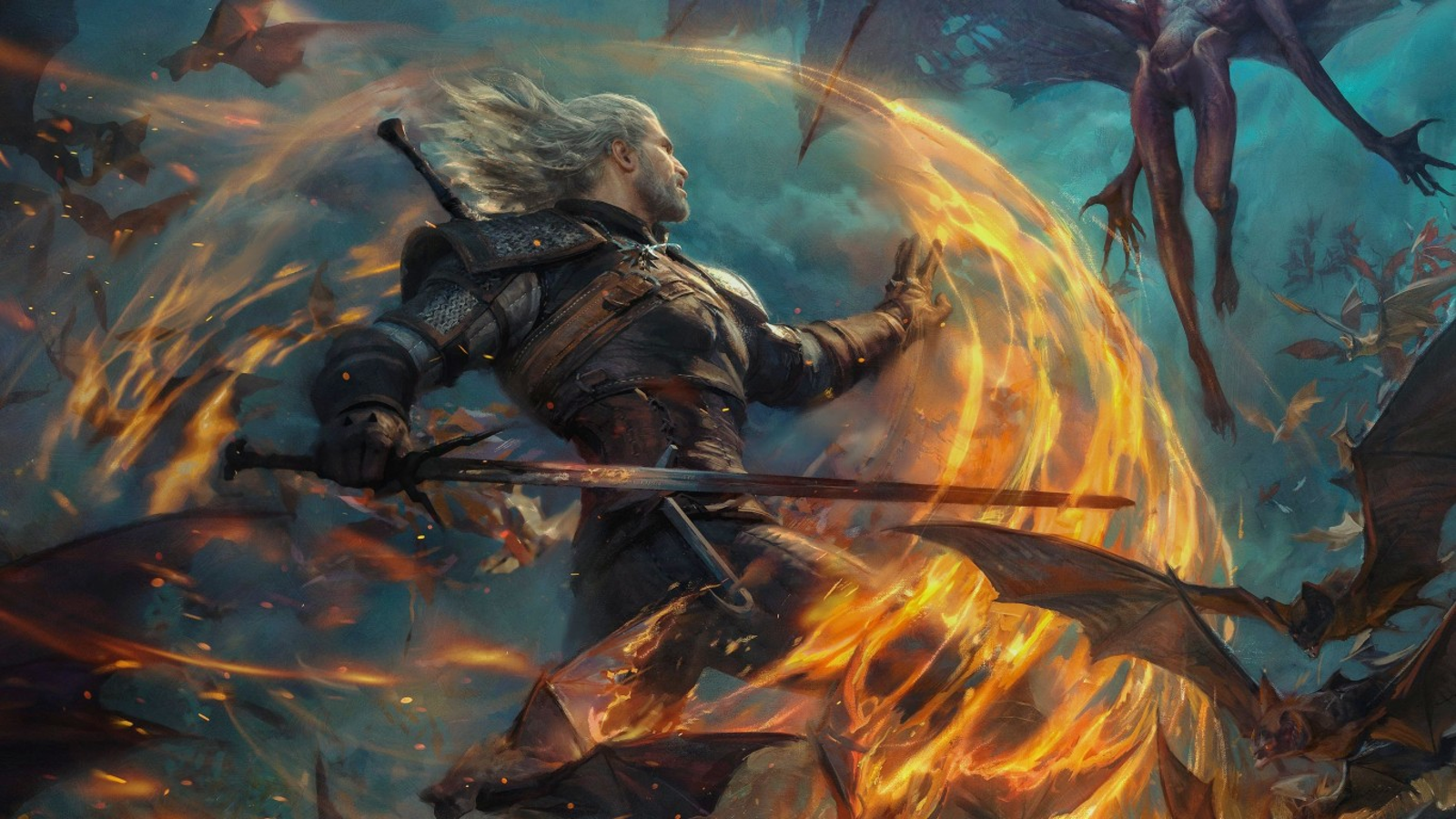
A better combat system could make her feel distinct without turning The Witcher 4 into a pure action game. The series still needs strong RPG systems, meaningful choices, exploration, and quest design. The goal should not be to replace those strengths, but to make combat feel worthy of the same level of attention.
CD Projekt Red has also been more open about avoiding the development problems that affected some of its earlier projects, especially Cyberpunk 2077 at launch. The studio has said it wants stronger internal requirements and a more controlled production process for future games. That makes The Witcher 4 a major test of whether CD Projekt Red can combine ambition with better execution.
Players may have to wait longer to see the new combat
For now, The Witcher 4 remains mostly under wraps. CD Projekt Red has shown little of the game, and there is still no full gameplay breakdown. Because of that, the new hire should be treated as a positive sign rather than proof that combat has been completely transformed.
It may also take time before the studio shows more. The Witcher 3 is set to receive the Songs of the Past expansion next year, and CD Projekt Red may wait until after that release before giving The Witcher 4 a larger public showing.
Even with those limits, the direction is worth watching. If CD Projekt Red can keep the writing and world building that made The Witcher 3 special while giving Ciri a more responsive and expressive combat system, The Witcher 4 could address the one part of the series that has long needed the most improvement.



Discussion (0)
Be the first to comment.