



ASUS has a good thing going on with its smartphone business, and one of the reasons for that is the fact that they have created a wide variety of smartphones, for all budgets. One of their smartphones is made for people who don't necessarily want a very powerful smartphone, they have a limited budget and need a device that has a generous battery life. The ZenFone Max is ASUS's smartphone for this audience and we received for testing the latest revision of this model: the ASUS ZenFone 3 Max ZC520TL. We tested it for a week, we ran several benchmarks, took lots of pictures and used it as our daily smartphone. Read this review to see our opinion about this device and whether it is a good choice for you:
Hardware specifications and packaging
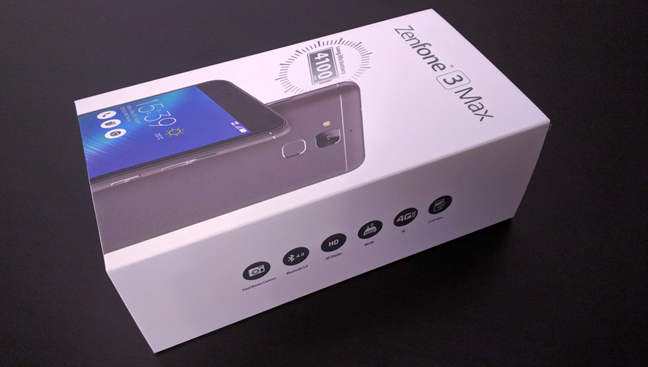
The ASUS ZenFone 3 Max ZC520TL comes packaged in a good looking box, made from a cardboard with a silky finish. On the top side, there's an illustration of the smartphone, its name and an ad bragging about its "Long life 4100 mAh battery". Turn the box to one of its sides and you'll get to see its main features - Pixel Master Camera, Bluetooth 4.0, HD Display, WLAN, 4G and 2.5D Glass. Then, turn it upside down to see your smartphone's serial number, exact model name, and main hardware specs.
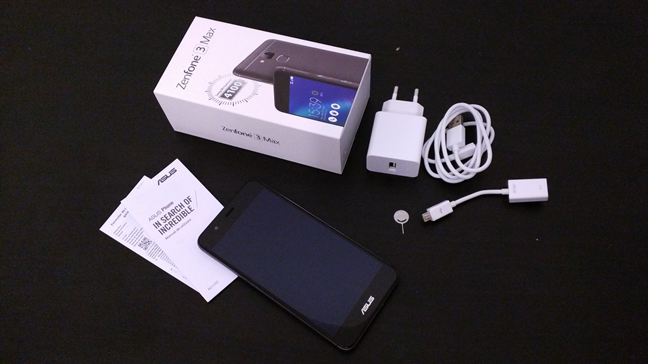
Open the package, and you'll get to meet the ASUS ZenFone 3 Max ZC520TL, sitting on top of a paper stand, under which you'll find the charger and its detachable USB to Micro USB cable, a pin that's going to be useful to remove the SIM card tray, a Micro USB to USB cable that can be used to transform your smartphone into a power bank and charge other devices, and also all the ordinary papers holding the smartphone's documentation. It's worth noting that there's one thing missing from the package: ASUS doesn't bundle any headphones with the ZenFone 3 Max and you need to purchase them separately.
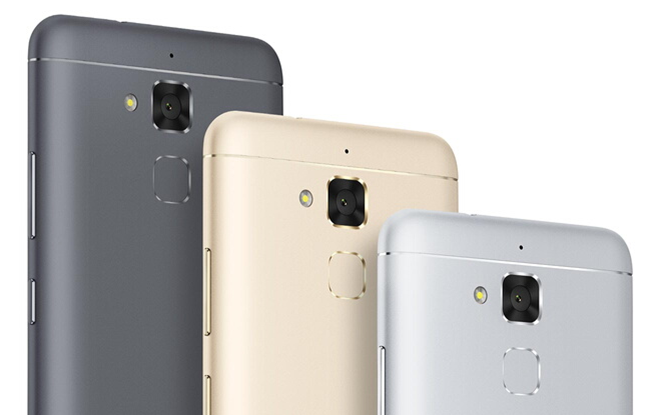
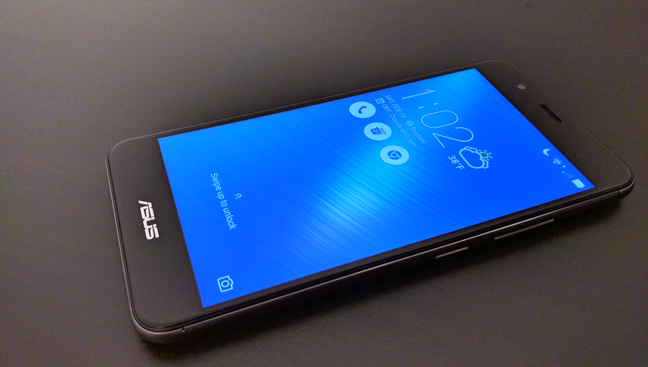
The ASUS ZenFone 3 Max ZC520TL is available in three different color variations: Titanium Gray, Glacier Silver, and Sand Gold. As you can see in the next pictures, the model that we received in tests, was Titanium Gray.
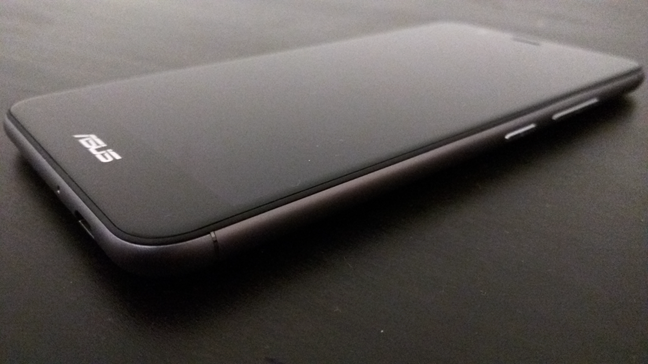
The ASUS ZenFone 3 Max ZC520TL has a 5.2 inches IPS display with an HD resolution of 1280x720 pixels and a 75% screen-to-body ratio. Because the display uses an IPS panel, it means that the smartphone's screen should have wide viewing angles, good color reproduction, and a high contrast. The display is protected by 2.5D contoured glass, meaning that its edges are fading into the case gradually.
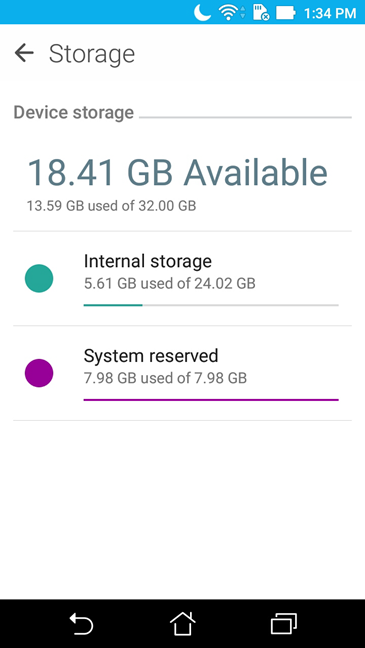
If you're wondering about its processing power, you should know that the ASUS ZenFone 3 Max ZC520TL is powered by a quad-core 1.25 GHz Cortex-A53 processor made by MediaTek, while the graphics are handled by Mali-T720MP2 video chip. You also get 2GB or 3GB of LPDDR3 RAM memory, depending on the exact model you buy. The internal storage space available also depends on the exact model of your ASUS ZenFone 3 Max ZC520TL: you can buy it with 16GB of internal storage space, or you can buy it with 32GB of internal storage space. Either way, if you need to, you can extend this space with the help of a MicroSD card of up to 32GB. And you also get 100GB of free space in Google Drive for 2 years. The model we tested came with 2GB of RAM memory and 32GB of internal storage space.
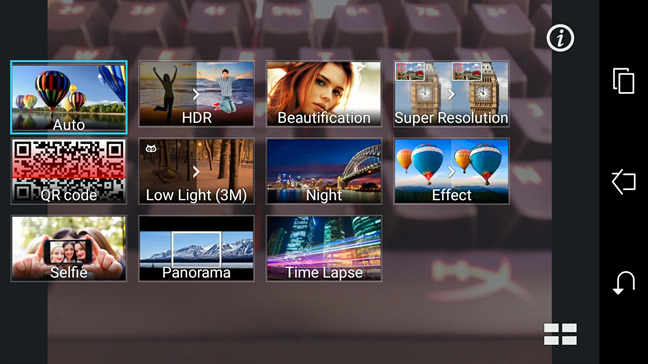
The main camera on the ASUS ZenFone 3 Max ZC520TL has 13-megapixels, autofocus, and flash, and can shoot photos with HDR. On the front side of the smartphone, you get a basic 5 megapixels camera with beautification effects.
In terms of connectivity options, you should know that ASUS ZenFone 3 Max ZC520TL comes with a Micro USB 2.0 port, a 3.5 mm audio jack, a Bluetooth 4.0 chip and a wireless network chip that's capable of connecting only to 2.4 GHz Wi-Fi networks that use the 802.11 b/g/n wireless standards. That means that you won't be able to connect to a wireless network broadcast on the 5GHz radio frequency.
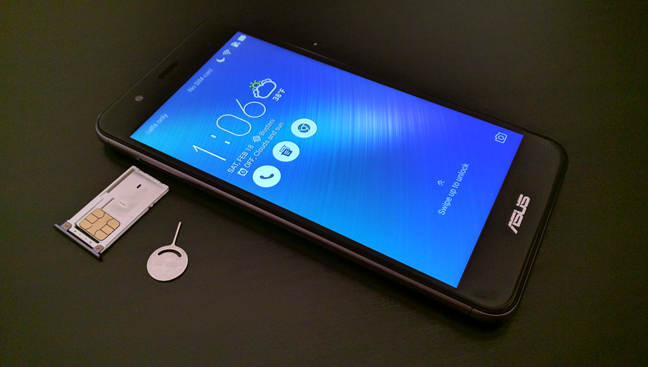
The ASUS ZenFone 3 Max ZC520TL is a Dual SIM smartphone and the downside is that although both SIM card slots support 3G WCDMA/4G LTE network bands, only one SIM card will be able to connect to 3G/4G services at a time. The other SIM will support only 2G voice. It's also important to be aware that this smartphone works in a Dual SIM Dual Standby implementation, which means that even if you have two active SIM cards, they are both active only as long as you're not using them. Once you take a call on one of the SIM cards, the other one becomes inactive. It's not ideal but the technology is less expensive and more widespread in today's smartphones. Also, if you intend to add a MicroSD card to your smartphone in order to increase its storage space, you should know that it will occupy the slot of the second SIM card - which means that you won't be able to use two SIM cards on your smartphone.
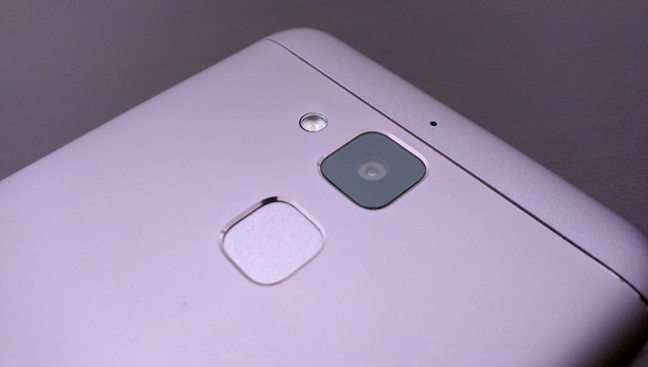
The ASUS ZenFone 3 Max ZC520TL also comes with a variety of sensors installed. It has an accelerometer, a compass, a proximity sensor, an ambient light sensor, and also a fingerprint scanner on the back of the device, which you can use to unlock the smartphone, launch the camera app, or even shoot a photo.
The most important strength of the ASUS ZenFone 3 Max ZC520TL is its battery, which is a non-removable lithium polymer battery of 4130 mAh. It's a big battery, so you should expect it to offer very good autonomy.
In terms of size, if you're accustomed to the imperial system, the ASUS ZenFone 3 Max ZC520TL is 2.9 x 5.9 x 0.3 inches in width, depth, and height. If you use the metric system, its dimensions are 73.7 x 149.5 x 8.55 mm. The ASUS ZenFone 3 Max ZC520TL weighs 5.6 ounces or 160 grams.
If you would like to see the official specifications of this smartphone, visit this page: ASUS ZenFone 3 Max (ZC520TL) - Technical Specifications.
The technical specifications of the ASUS ZenFone 3 Max ZC520TL aren't impressive in any way, but its large capacity battery is, which is this smartphone's main selling point.
Design and build quality
The ASUS ZenFone 3 Max ZC520TL looks good and its build quality is better than the average smartphone you'll find with a similar price tag. This smartphone has a unibody design, meaning that its back can't be taken apart. That, together with the fact that the case is built from an aluminum alloy, makes it feel sturdy and reliable.
On the front of the ASUS ZenFone 3 Max ZC520TL you will find the 5.2 screen, surrounded by average sized bezels, the front camera, the earpiece grille, a small LED light on the top for notifications and ASUS' logo on the bottom. It's worth noting that you won't find the Back, Home, and Recent apps buttons here, because the ASUS ZenFone 3 Max ZC520TL displays them on screen, in their software implementation.
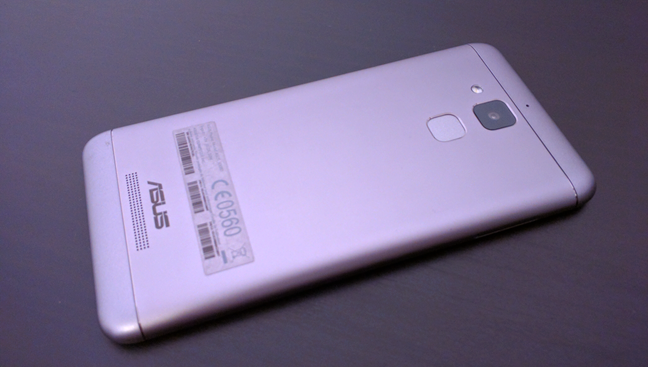
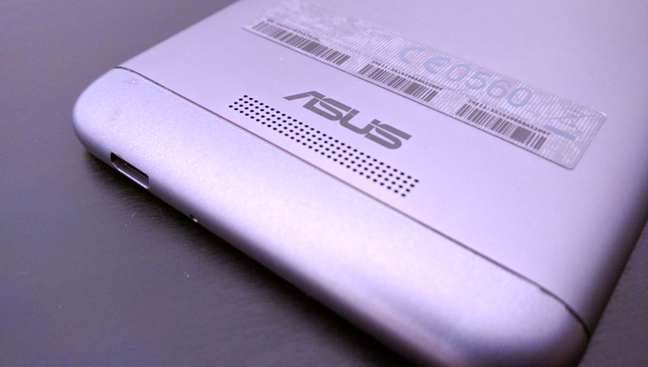
The back of the smartphone is home to the rear camera, its flashlight and the fingerprint sensor on the top. Towards the bottom, you'll find the loudspeaker grille and another company logo. Similarly to its big brother - the ASUS ZenFone 3 - the fingerprint sensor has a rectangular shape and is slightly sunken into the case. These two features make it easy to spot and use with your finger, even if you don't look at the back of your smartphone.
The bottom edge of the ASUS ZenFone 3 Max ZC520TL is where you'll find the Micro-USB port, and the top of the right edge is where you'll find the power button and the volume rocker. Which is the safe placement of these three buttons on any Android smartphone, if we can say that. It's an intelligent choice because it makes these buttons easy to press with only one hand, and even if you're in a call with the phone pressed to your ear.
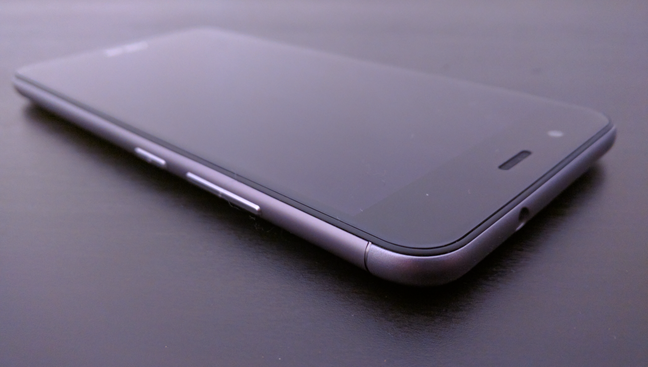
The top edge of the ASUS ZenFone 3 Max ZC520TL is home only to the audio jack, and the left edge is the place where the SIM cards tray is found. To get this one out of the smartphone, you'll have to use the pin you received in the packaging.
The ASUS ZenFone 3 Max ZC520TL smartphone doesn't disappoint when it comes to its design and build quality. From this perspective, it is better than you'd expect to see at a smartphone with such an affordable price.
The smartphone experience on the ASUS ZenFone 3 Max ZC520TL
The first thing we have to talk about is the audio quality you get during phone calls. I have been using the ASUS ZenFone 3 Max ZC520TL as my daily phone for a week and, during that time, I've noticed that although I could hear the people with whom I've spoken on phone clearly and loud, they didn't hear me the same way. Most of them said that my voice sounded muffled and "far away". That's not to say that we didn't manage to understand each other, it's just that the audio quality could be better during phone calls.
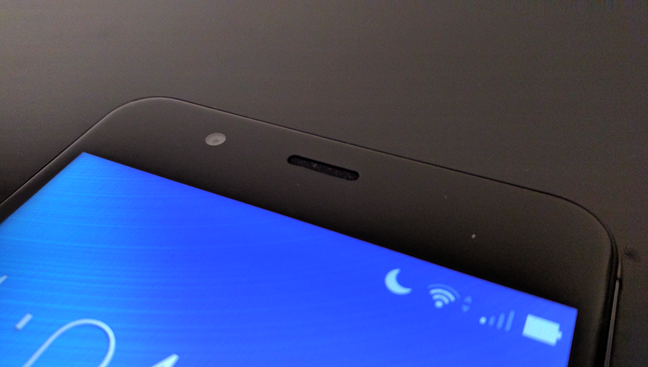
Unfortunately, ASUS didn't include headphones in the smartphone's default package, which means that you'll have to either buy them separately or make do with the loudspeaker. Unfortunately, the loudspeaker is of low quality. It will do its job decently in phone calls, but don't expect to be satisfied when you listen to music or watch videos on your smartphone. The sound it offers is just too low-level and high-pitched to be pleasant.
When I first met the ASUS ZenFone 3 Max ZC520TL, it felt pretty snappy and I thought "yay, the hardware inside might not be high-end, but it's enough for me!". Unfortunately, it didn't take long for this impression to disappear. The quad-core 1.25 GHz Cortex-A53 MediaTek processor and the 2GB of RAM memory are not enough to run your apps smoothly. It will at first, but after a few days and a dozen common apps like Facebook, Messenger or Whatsapp, the ASUS ZenFone 3 Max ZC520TL will turn increasingly slower. Even making a call will take a bit of patience for the Phone app to load. You can imagine that the performance you'll get from the ASUS ZenFone 3 Max ZC520TL is even worse in games. Its whole hardware configuration, including the Mali T720 graphic chip are not enough for this smartphone to run games at high settings. They will run, but demanding games will stutter and their visuals will not be at their best.

The main attraction of the ASUS ZenFone 3 Max ZC520TL remains its big battery, which does indeed offer a pretty good autonomy. I've used the smartphone like I normally do and it managed to keep me away from the power outlet for 2 days in a row. By normal use, I'm thinking about a dozen phone calls a day, some web browsing, a bit of YouTube and regularly checking emails and Facebook. On one of the days I tested this smartphone, I also used it to have very long video conversations on Skype, which took about 3 hours in total. That day, I had to charge the smartphone before going to bed. But, in normal conditions, its battery should last you for up to two 2 days before having to charge it.
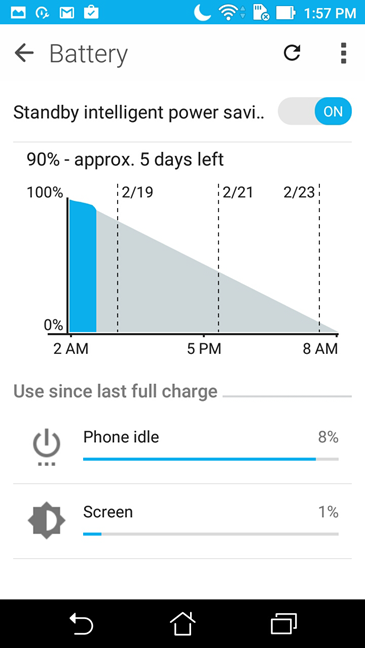
ASUS ZenFone 3 Max ZC520TL offers low performance, which negatively impacts the user experience you get. It's definitely not built for demanding 3D games and you should use it only for usual smartphone apps like Facebook, WhatsApp or YouTube. The biggest plus is the battery, which, in normal conditions, should last up to two days of use.
Read the next page of this review and you will find out more about the camera experience, the software installed on the ASUS ZenFone 3 Max ZC520TL, its performance in benchmarks and our final verdict.
The camera experience on the ASUS ZenFone 3 Max ZC520TL
Although it has a 13-megapixel sensor and ASUS says it uses their PixelMaster tech, the camera offered by ASUS ZenFone 3 Max ZC520TL is probably its weakest spot. In theory, it should be able to shoot decent photos and record videos of reasonable quality. In reality, though, things are not this way. Here's why:
- The camera doesn't focus well on your subjects. No matter how hard we tried, in some situations, the camera only focuses on the background
- The flash has only one LED and it seems to light up with a long delay after it already took the photo. The result is that when you try to shoot photos at night, even if you use the flash, the photos will turn black
- Photos taken at dusk or in cloudy days have washed out colors
- All the photos you'll take, regardless of the lighting conditions, will have a poor contrast and will often be blurry
- Even if you enable the image stabilization feature, videos recorded with the ASUS ZenFone 3 Max ZC520TL will still be shaky
The only decent photos you can take with the ASUS ZenFone 3 Max ZC520TL are those you shoot outdoors, in days with great sunlight. But even these photos will often suffer from over saturation.
Browse through the images we've included in the gallery below, to get a better idea of the camera experience that is offered by the ASUS ZenFone 3 Max ZC520TL.
If you can't view the embedded album above, you can also try this link and open it in a new browser tab.
Here's a sample of how the ASUS ZenFone 3 Max ZC520TL fares when recording videos with a lot of movement:
And here's a sample of how the camera does when more static videos are recorded, with little movement involved.
The ASUS ZenFone 3 Max ZC520TL is definitely not a smartphone that's built for photo enthusiasts. Unfortunately, the camera experience it offers is very poor.
Android 6.0 Marshmallow, ASUS ZenUI 3 and bundled apps
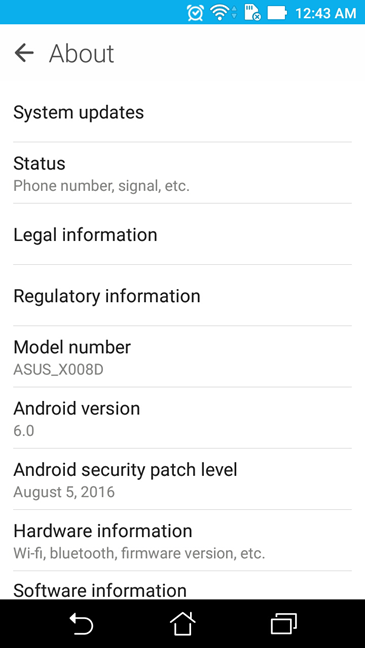
ASUS ZenFone 3 Max ZC520TL runs on Android 6.0 Marshmallow with the ASUS ZenUI skin on top of it, as you can see in the screenshot below. At this time, there are no official plans for an upgrade to Android 7 and, most probably, users of this smartphone will remain on version 6.
The ASUS ZenUI is now on version 3. It's a good user interface and it's easy to see that the ASUS has spent a lot of effort to polish it and give its users a lot more customization options than the stock Android experience. The thing we like best about the ZenUI is how easy it is to download and install new themes, which can change everything, from the wallpaper you use to the icon sets and fonts.
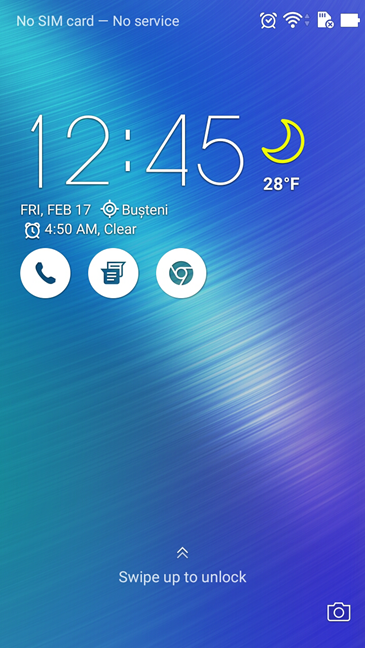
Besides the standard apps that come with any Android distribution, the ASUS ZenFone 3 Max ZC520TL comes with a long list of bundled apps. Although some of them will be useful to their users, many will not. Here's what's on the ASUS ZenFone 3 Max ZC520TL, by default:
- Amazon Kindle - an ebook reader app which you can use to shop and read ebooks from Amazon.
- AudioWizard - this app lets you customize the sound on your smartphone.
- Backup - an app that apparently got left behind, as the only thing it can do is tell you to open Android's "Settings > Backup & reset" options to backup your data.
- Do It Later - helps you create and organize daily tasks, as well as set reminders, notes and other things like that.
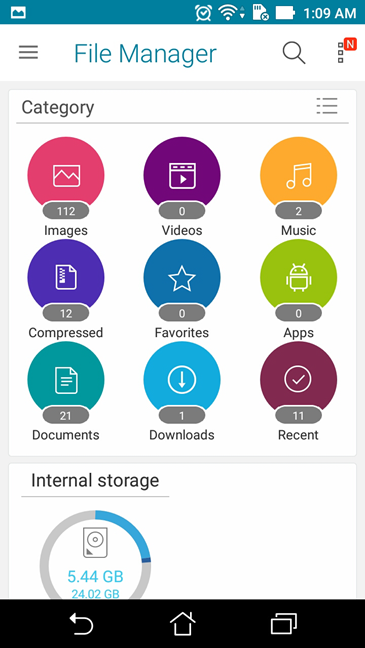
- File Manager - an app which you can use to see and manage the files found on your ASUS ZenFone 3 Max ZC520TL. Everybody has to have a file manager on their smartphone, so this is a good a choice as any other.
- Flashlight - lights up your smartphone's flash or its screen.
- FM Radio - you can use it to listen to the FM radio stations. You will have to connect your headphones as they also work as a radio antenna.
- Gallery - an app that lets you browse and open the photos and videos you take with your ASUS ZenFone 3 Max ZC520TL.
- Instagram - the mobile app of the popular photo and video-sharing social network.
- MiniMovie - useful if you want to create movies or slideshows using the photos that are saved on your smartphone.
- Mobile Manager - acts as a central point for various system maintenance tasks. It gives you a quick overview of your battery and memory use, as well as quick access to the battery saving modes, to the details of your data usage, the apps that are allowed to show push notifications and so on.
- MyASUS Service Center - offers you access to 24/7 support from ASUS.
- PhotoCollage - use it to create photo collages with ease. If you're into that, you might find this app rather interesting.
- Puffin - is a web browser that, unlike the default Google Chrome browser, also supports Adobe Flash. It might be a good idea to keep it installed if you still visit websites that use the old Flash plugin.
- Quick Memo - a very simple app for taking quick and simple notes.
- Share Link - an app that will help you transfer files between your smartphone and a computer on your local network, or between two smartphones. You don't have to have a working mobile connection and you don't need a USB cable to do the transfer.
- Sound Recorder - a simple app that uses the smartphone's microphone to record sound.
- Splendid - lets you personalize the settings of your smartphone's display.
- Themes - a portal where you can see, download, install and apply various system themes for the ZenUI user interface. As we already said it earlier, we really like these themes and, from a beautification perspective, they are totally worth it.
- TripAdvisor - an app developed by the popular TripAdvisor travel website, which lets you plan and book your travels.
- Weather - an app that shows you weather forecasts, based on AccuWeather's data.
- WebStorage - a cloud service from ASUS that offers you 5GB of free storage space.
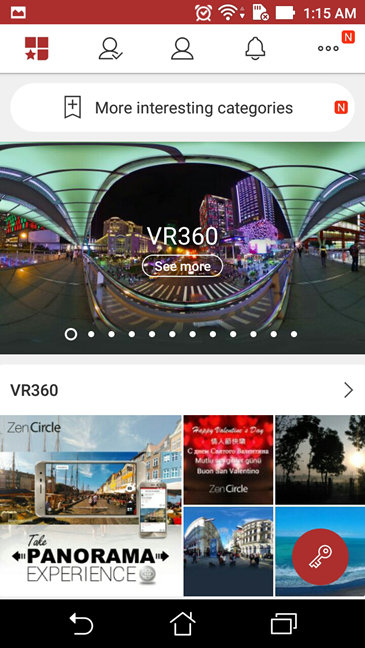
- ZenCircle - a social network for ZenFone users that works by sharing smartphone created videos.
- ZenFone Care - a customer service app that provides you with in-device assistance, using FAQs, user feedback, and public forums.
- ZenTalk - a forum dedicated to all owners of ZenFone smartphones, which can prove quite useful.
The ASUS ZenFone 3 Max ZC520TL comes with Android 6 Marshmallow and ASUS's ZenUI proprietary skin. We like the wealth of customization options you get from the ASUS ZenUI user interface, but we are not fans of the large number of bundled apps you get on this smartphone.
Performance in benchmarks
To get more mathematical about how powerful the ASUS ZenFone 3 Max ZC520TL is, we put it to the test against some well-known benchmarking apps for Android devices. We also wanted to see how it compares to its older sibling, the original ASUS ZenFone Max. Here's what we found:
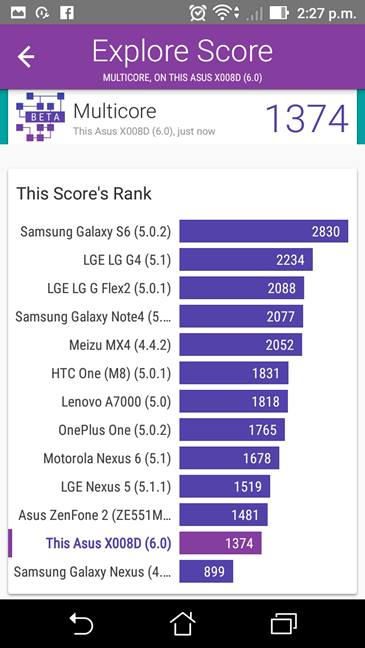
We started by running Vellamo, a benchmark app developed by Qualcomm. Its Multicore tests gave us a score which we can use to determine the processor performance when it has to run multiple tasks at the same time. We got a score of 1374 points, which is lower than that of its predecessor, the ASUS ZenFone Max, which got 1442 points in this test. That's a bad start if you ask us!
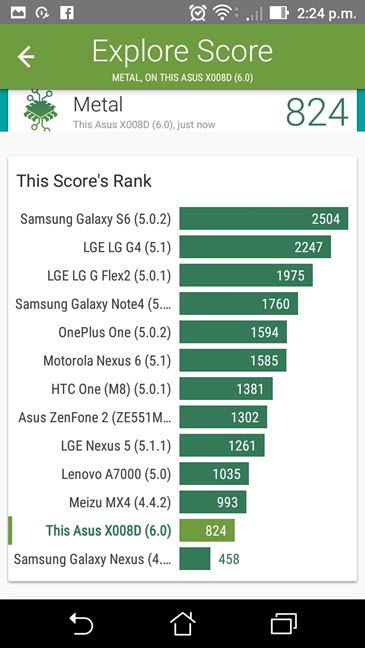
Then we ran the Metal tests from Vellamo, in order to measure the performance of the processor when only one of its cores is used. Many apps don't know how to work with multiple cores, so this test is very important. The ASUS ZenFone 3 Max ZC520TL managed to get only 824 points, which is also fewer than the original ASUS ZenFone Max.
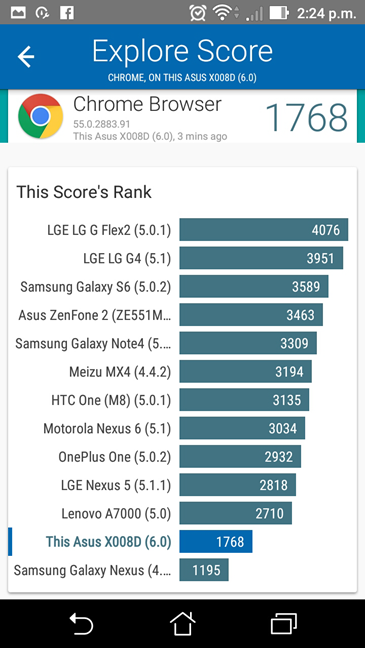
The next tests in Vellamo are called Browser, and they measure the performance offered by your Android device when rendering websites of all kinds. The standard browser we use for this tests is Google Chrome. ASUS ZenFone 3 Max ZC520TL managed to get a score of 1768 points, which is almost 17% less than the old ASUS ZenFone Max. It's a very poor result and it's definitely not what we expected.
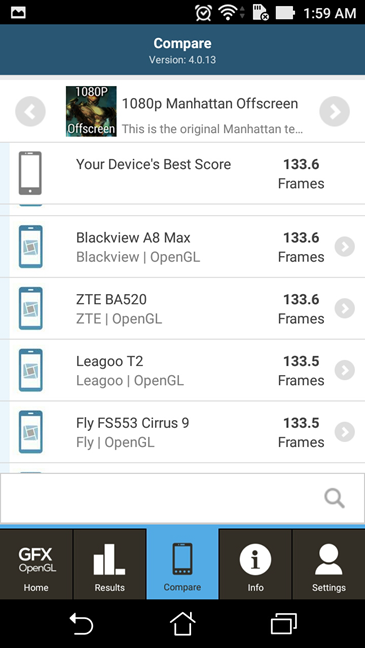
Then, we moved on to the gaming tests and, in order to measure the performance offered by the ASUS ZenFone 3 Max ZC520TL, we used the GFXBench GL Benchmark app. We ran its Manhattan and T-Rex tests 1080p Offscreen versions, because they render frames at the same resolution on any device, regardless of their native display resolutions. We believe that it makes more sense when you compare the results you get with those from other devices. In the Manhattan 1080p Offscreen test, the ASUS ZenFone 3 Max ZC520TL rendered only 133.6 frames, which is a very low score. The only other smartphones we saw with such low scores are its ancestor, the ASUS ZenFone Max, which rendered 113.1 frames, and TP-LINK Neffos C5 Max, which managed to render 25 frames more.
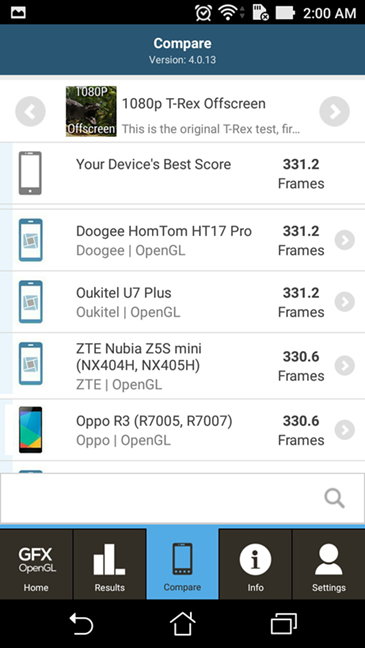
In the second gaming test we ran, T-Rex 1080p Offscreen, we got yet another very poor result. The ASUS ZenFone 3 Max ZC520TL managed to render 331.2 frames. This result is slightly better than the one we measured for the original ASUS ZenFone Max, which rendered 294.3 frames.
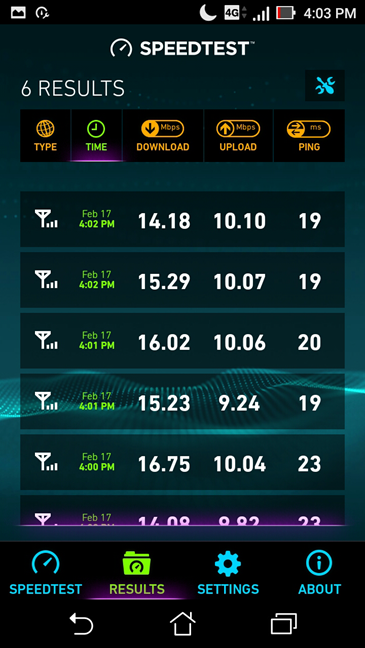
It's clear that the ASUS ZenFone 3 Max ZC520TL is definitely not a smartphone for gaming. The ASUS ZenFone 3 Max ZC520TL offers support for 4G LTE data connections, so we wanted to test its performance in this area also. To do the measurements, we used Speedtest, a popular app for testing how fast your internet connection is. The results we got were not impressive, although we must point out the fact that the 4G signal strength in our area is not that great.
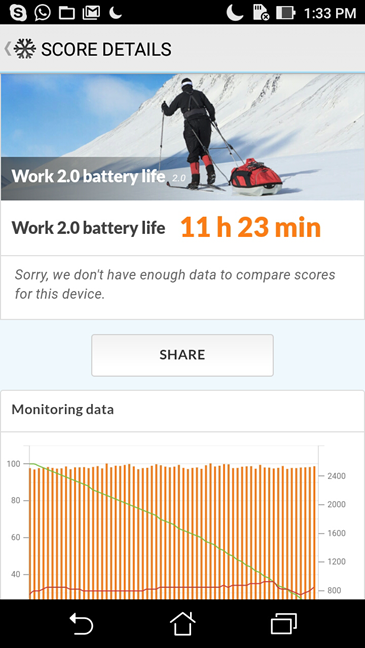
Finally, we got to the test that's probably the most important when it comes to ASUS ZenFone 3 Max ZC520TL: the battery test. After all, this smartphone's main attraction is the generous 4100mAh battery. To test it, we used the Work 2.0 battery life test offered by the PCMark benchmarking app. The ASUS ZenFone 3 Max ZC520TL managed to last for almost 11 hours and a half. That's a very good score, which confirms the fact that this smartphone should have no problems whatsoever in lasting you for at least a day. If it's not heavily used, it can last for two days.
All the benchmarks we ran show the same thing: the ASUS ZenFone 3 Max ZC520TL is not a powerful smartphone. Only its battery represents a strength.
The new ASUS ZenFone 3 Max ZC520TL vs. the old ASUS ZenFone Max ZC550KL
We couldn't end this review without a brief side-to-side comparison between the new ASUS ZenFone 3 Max ZC520TL and the old ASUS ZenFone Max. We were big fans of the original ZenFone Max, for many reasons. Unfortunately, after ending our testing, we feel that the old ZenFone Max represents a better deal, for the following reasons:
- Although both smartphones have the same screen resolution, the old ASUS ZenFone Max has a larger display
- The battery capacity of the old ASUS ZenFone Max is bigger (5000 mAh vs 4100 mAh)
- ASUS ZenFone Max has a Dual LED flash, while the new ASUS ZenFone 3 Max ZC520TL has a single LED flash
- ASUS ZenFone Max has a laser camera sensor (used for focusing), while the new ASUS ZenFone 3 Max ZC520TL doesn't
- The secondary SIM card slot on the new model is used either for inserting a SIM card or a MicroSD card. That means that you will have to choose to either use the smartphone in Dual SIM mode or expand its storage space. The old ASUS ZenFone Max didn't force you to make this choice, as it had a dedicated MicroSD card slot
- All benchmarks show that the performance offered by the MediaTek processor included in the new ASUS ZenFone 3 Max ZC520TL is lower than that of the Snapdragon processor included in the old ASUS ZenFone Max
On the other hand, the new ASUS ZenFone 3 Max ZC520TL is better than the old ASUS ZenFone Max in the following aspects:
- Although the old ASUS ZenFone Max has a larger display, the new ASUS ZenFone 3 Max ZC520TL has a higher pixel density, which translates into better-looking images and fonts
- The case of the new model is made from metal instead of plastic
- The new ASUS ZenFone 3 Max ZC520TL has a fingerprint scanner while the previous model doesn't
- The new ASUS ZenFone 3 Max ZC520TL looks way better than the old ASUS ZenFone Max
Pros and cons
Here are the main positives that we identified about the ASUS ZenFone 3 Max ZC520TL:
- It has an affordable price
- This smartphone looks good, especially when compared to other smartphones with a similar price
- It's a Dual SIM smartphone, which means you can use two SIM cards at the same time
- It has a fingerprint scanner, which is something you don't see often on smartphones with a similar price
- It offers very good battery life
There are also some important negatives to consider:
- The camera experience is very poor
- The MediaTek processor is underpowered, offering poor performance in most tasks
- Playing demanding 3D games on this smartphone is definitely a no-go
- There's lots of bloatware on this smartphone
Verdict
ASUS ZenFone 3 Max ZC520TL is a good choice for people who need a smartphone with a generous battery, that also looks good and has an affordable price. It's definitely not a balanced smartphone and it has many strengths and just as many weaknesses. You will definitely enjoy the way it looks and the autonomy you get. However, before you purchase it, make sure that you consider all the pros and cons that we identified in this review, to make sure that it is a smartphone that fits both your budget and your needs.
Discussion (0)
Comments are closed.