


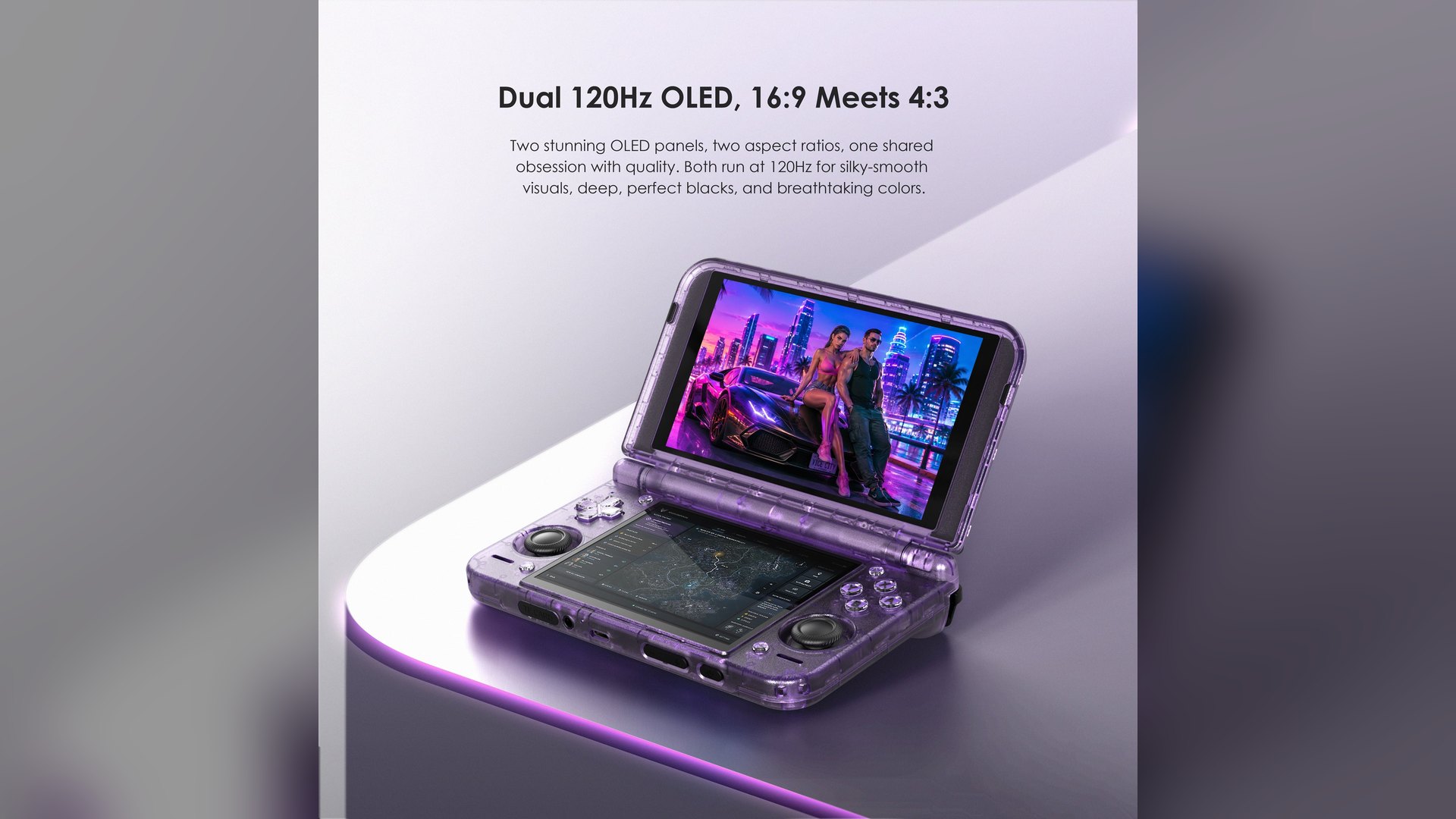
Retroid's dual-screen Pocket Duo costs $269 at the company's own store, where the code DUO takes $20 off for a $249 total. That $20 is not cut from a higher retail price, because $269 is the only figure Retroid has ever listed for the handheld.
Retroid has not published a shipping date for it either. The product page still says shipping starts from mid-October, and the Delivery Dashboard, where Retroid posts actual ship dates, has no Pocket Duo row.
The Duo is a clamshell with a 5.5-inch 1920x1080 OLED on top and a 4.5-inch 1280x960 OLED below, both running at 120Hz. One configuration exists, 8GB of RAM with 128GB of storage, so the only real choice at checkout is color.
What Retroid has actually published about shipping
The note at the bottom of Retroid's listing is short. It says the DUO code saves $20 during the pre-order phase, that the code expires on 2026/10/31, and that shipping starts from mid-October.
That wording has not moved, and little of mid-October is left. Retroid's Delivery Dashboard, meanwhile, currently lists only the Duo Lite, in 4+64GB and 6+128GB forms, with ship dates of 9/17 and 9/18.
A start date of October 21 has been reported, attributed to a Retroid social post. Nothing on Retroid's own pages carries that date, and no launch time or time zone has been published at all.
The $20 is a coupon, not a markdown
All five Pocket Duo variants carry the same $269 price with no comparison price beside it. The saving is a code applied at checkout, not a cut against a stated retail figure.
Retroid runs the same pattern across the family. The DUOLITE code takes $14 off the $149 and $169 Duo Lite models, and LITEPLUS takes $20 off the $219 Duo Lite Plus.
All three codes expire on October 31, which is after shipping is supposed to have started. Retroid is therefore still discounting a device it says is already going out.
Shipping costs sit outside the $249. Retroid publishes no base rate, quotes 15 to 60 days on its standard channel, warns that some countries wait up to 90 days, and adds a fixed $50 surcharge for remote DHL destinations.
Even so, $269 is modest next to Windows handhelds such as the ASUS ROG Xbox Ally X20, which opened preorders at $1,299.
Retroid Pocket Duo specifications
Retroid lists a Qualcomm Dragonwing Q-7790 with one Cortex-A720 core at 2.6GHz, four more at 2.4GHz and three Cortex-A520 cores at 1.8GHz. Graphics come from an Adreno 722 at 1.15GHz, with 8GB of LPDDR4x and 128GB of UFS 2.1 storage, running Android 16.
Retroid's own spec graphics rate both panels at 500 nits peak brightness, 150% sRGB coverage and a 100,000:1 contrast ratio. The top screen is 16:9 and the lower one is 4:3.
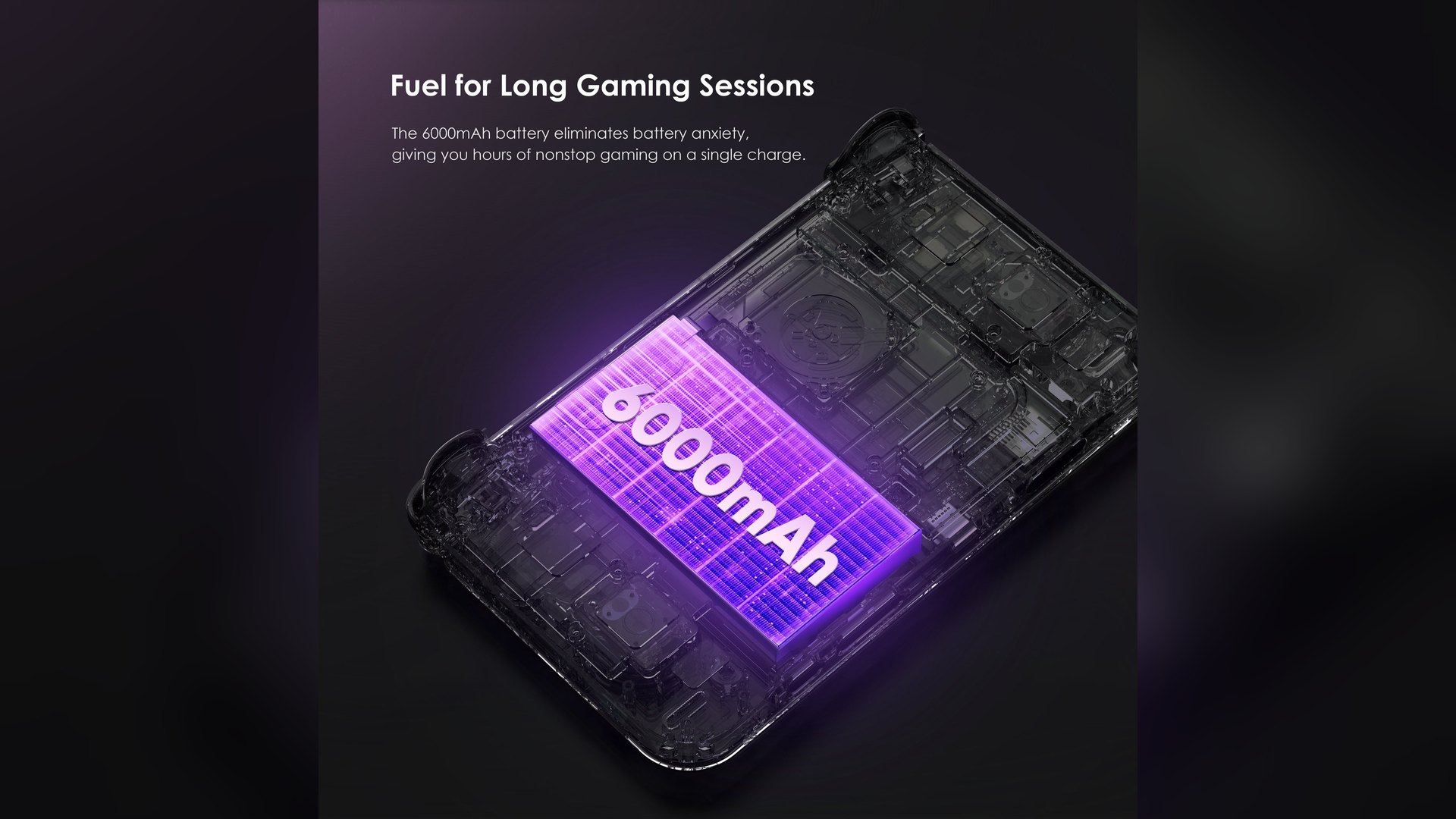
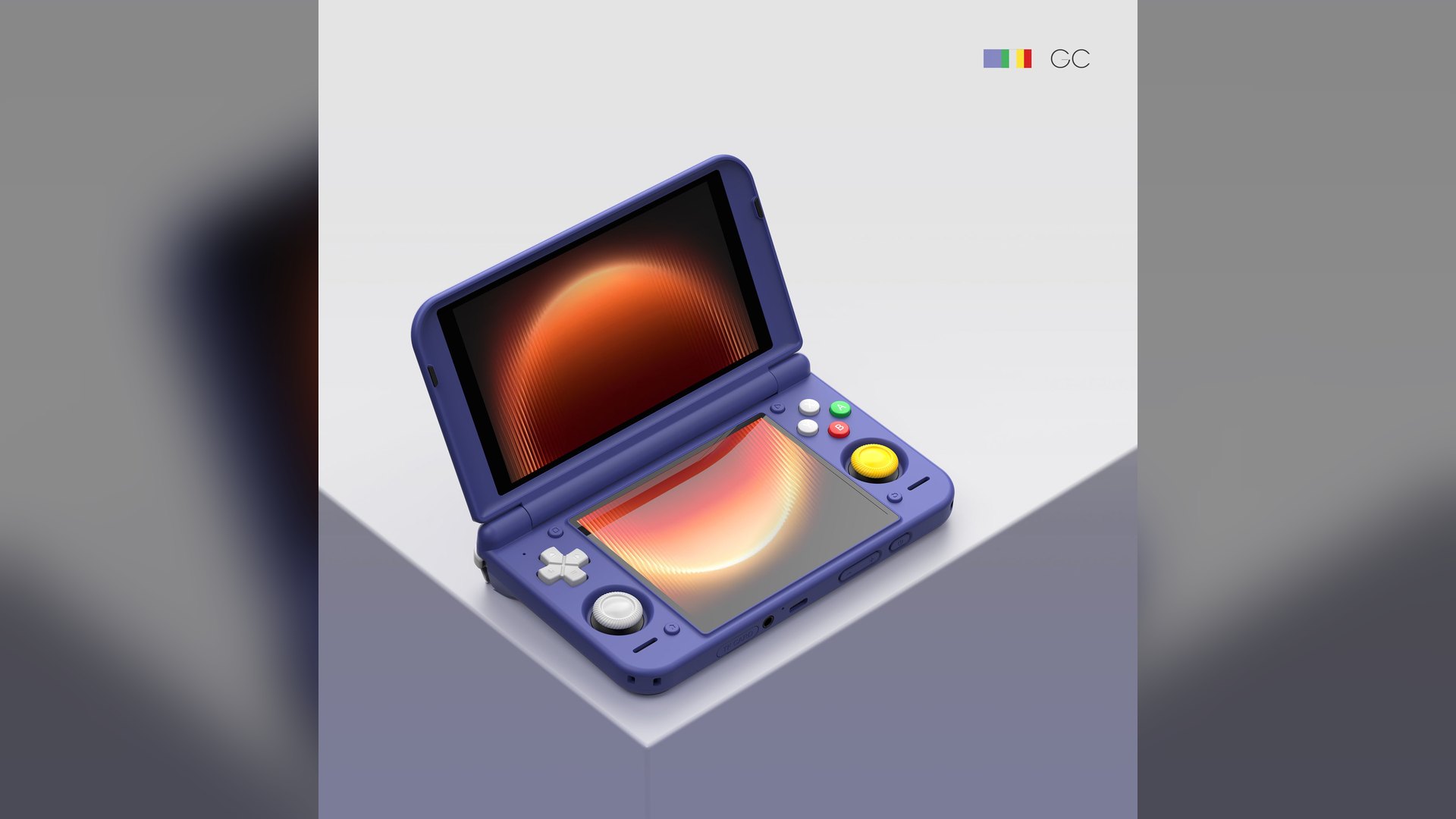
A 6,000mAh battery, active cooling, Wi-Fi 6E, Bluetooth 5.4, analog L2 and R2 triggers and Hall effect sticks finish the list. The five shells are GC, 16Bit, Black, Ice Blue and Clear Purple.
The listing does not give charging wattage, a card slot, a headphone jack, video output, dimensions or weight. None of those appear anywhere on Retroid's site.
Not Retroid's first dual-screen handheld
The Pocket Duo Lite, which also has two screens, shipped on September 17 and 18. Retroid has also sold a $69 Dual Screen Add-on since June 2025, a 5.5-inch AMOLED panel on a click-stop hinge that clips onto the Pocket 6, 5, 4 Pro, Mini and Mini V2.
So the Duo is the first Retroid handheld with two OLED screens built in, rather than the company's first dual-screen device. The idea is spreading, and Anbernic opened preorders for its own RG DDS dual-screen handheld days ago.
At $269 the Duo is the most expensive handheld on Retroid's store, above the $244 Pocket 6 and the $239 Pocket Nova. That matters because handheld pricing has been drifting upward, which is reshaping which devices count as budget options.
The cheaper $219 Duo Lite Plus uses the same Q-7790, the same Adreno 722, the same 8GB and 128GB, and the same Android 16. The $50 gap buys OLED instead of TFT, 120Hz instead of 60Hz, a 4.5-inch second screen instead of 4.2-inch, and analog triggers instead of digital.
What the second screen actually does
Retroid gives the lower panel exactly one concrete job. A double-click of the Home button opens the Retroid Control Center there, carrying performance monitoring, power and fan controls, display settings and system tools.
Everything else on the listing argues for immersion rather than function. Retroid promises no switching and no interruptions, and leaves it there.
The company never calls the bottom screen a touchscreen, never mentions DS or 3DS emulation, and names no game or app that uses the second display. It does sell a $15 Grip with Stylus for the Duo, with no description attached to that listing.
So the gaps are real ones. Retroid has posted no ship date on its own pages, no launch time, no charging figure, and no word on whether the lower screen accepts touch input.
Prices and coupon terms can change without notice, and Retroid dates the DUO code to expire on October 31. Everything above reflects the company's store at the time of writing.
Discussion (0)
Be the first to comment.