



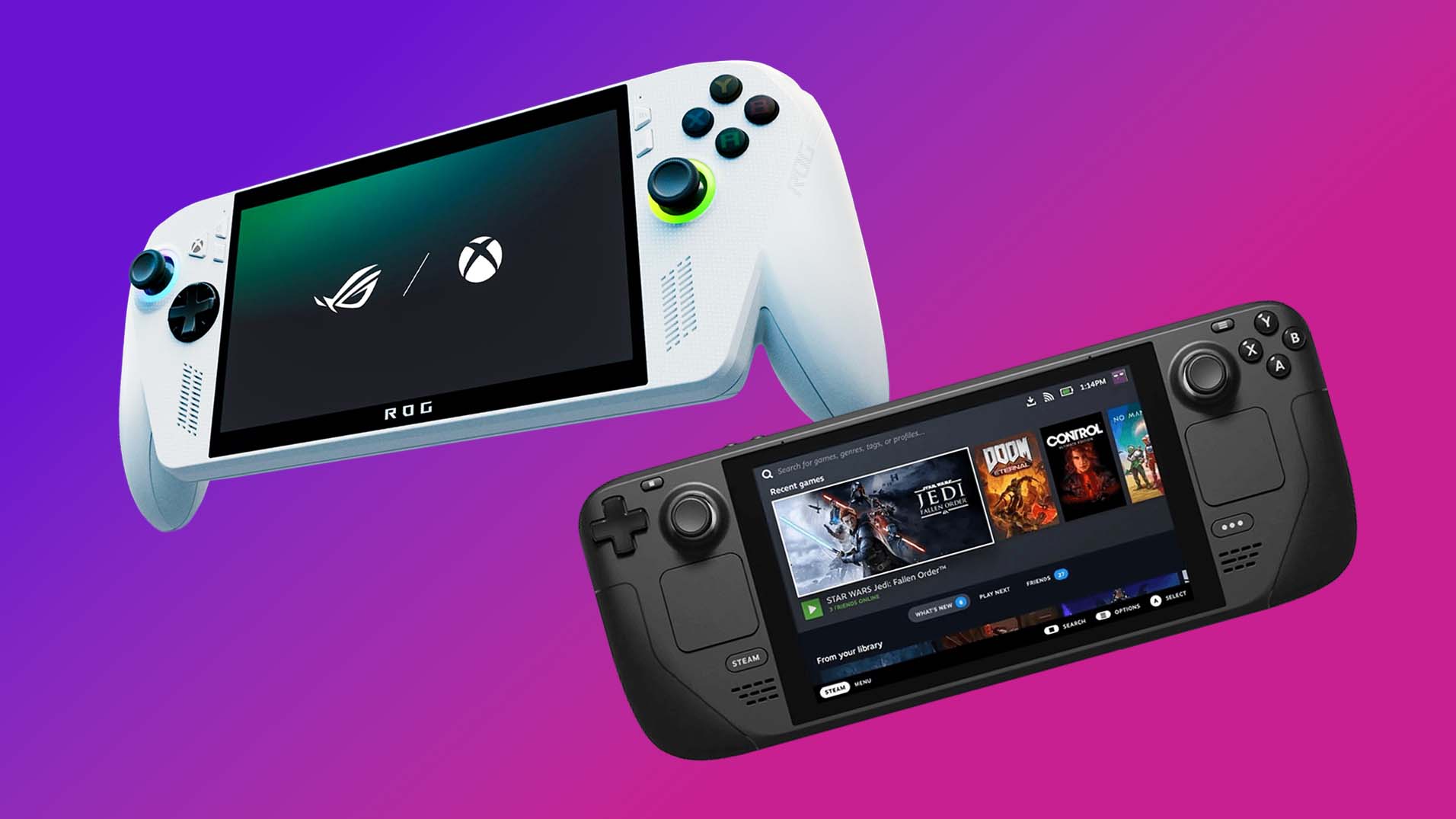
The ROG Xbox Ally is becoming a more competitive entry level handheld gaming PC as prices rise across much of the portable gaming market.
The white ROG Xbox Ally remains available at around $599.99 in the US, close to its original launch price. That puts it below several competing handhelds that have become significantly more expensive during 2026.
Its hardware is not especially new or powerful compared with premium handhelds, but its combination of price, Windows compatibility, controller focused design and access to PC Game Pass gives it a clearer place in the market.
Ryzen Z2 A targets the lower end of the handheld market
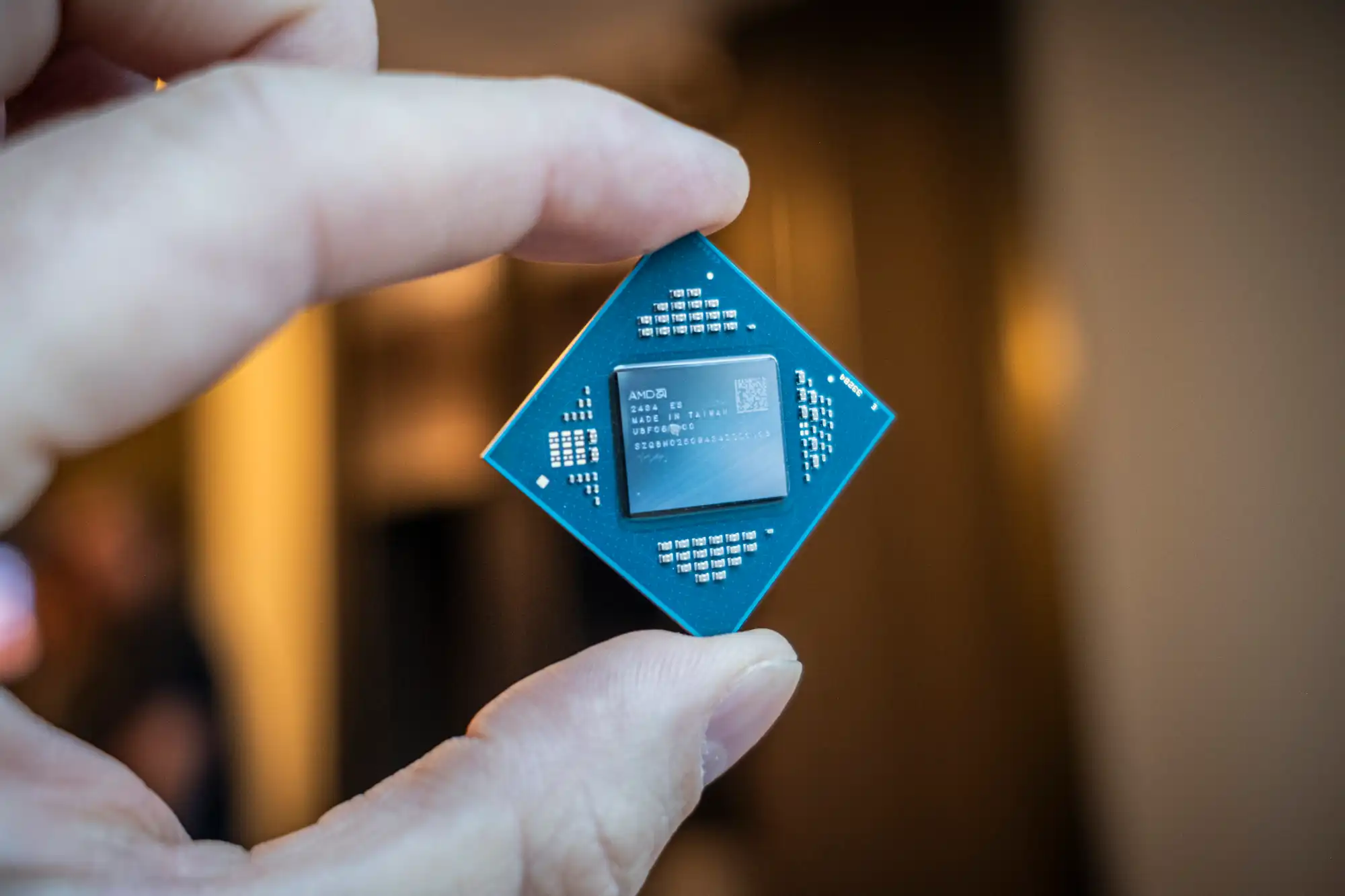
The ROG Xbox Ally uses AMD's Ryzen Z2 A processor and comes with 16 GB of RAM and a 512 GB SSD.
The chip is based on older Zen 2 technology and is positioned closer to the performance class of the original Steam Deck than newer high end handhelds.
That makes the device less suitable for buyers chasing maximum performance, but it also helps explain why the model remains relatively affordable.
| Feature | ROG Xbox Ally |
|---|---|
| Processor | AMD Ryzen Z2 A |
| Memory | 16 GB |
| Storage | 512 GB SSD |
| Display refresh rate | Up to 120 Hz |
| Operating system | Windows |
| Current US price | Around $599.99 |
| Main software advantage | PC Game Pass access |
| Alternative OS option | SteamOS can be installed |
Its 120 Hz display also supports variable refresh rate, which can help smooth out uneven frame delivery and reduce visible tearing.
The hardware will not necessarily run demanding games at 120 FPS, but VRR can still improve the experience when frame rates move between lower values.
Steam Deck pricing changes the comparison
The Steam Deck has traditionally been one of the strongest value options in handheld PC gaming.
That advantage is becoming less clear as pricing changes.
The referenced 512 GB Steam Deck model is now listed at around $789, placing it well above the Xbox Ally's $599.99 price.
Valve still has an important advantage with the Steam Deck OLED display, which offers stronger contrast and better black levels than a typical LCD panel.
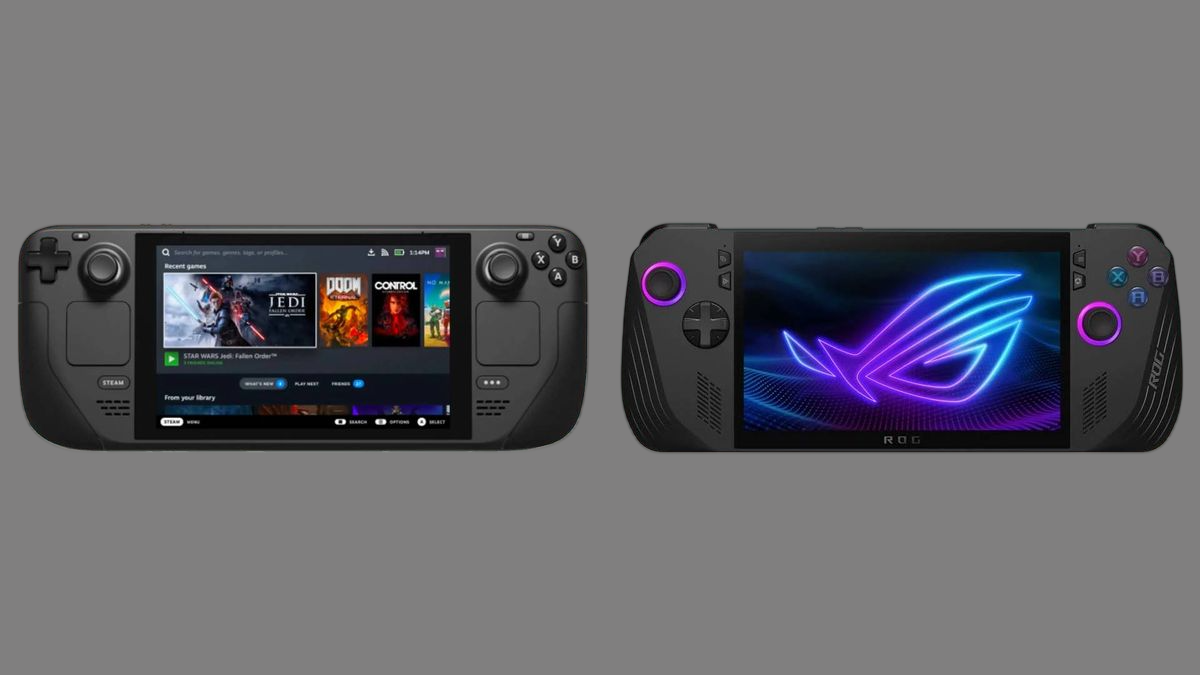
The Steam Deck also benefits from SteamOS, which provides a more console like software experience than standard Windows.
However, the Xbox Ally now costs considerably less while still offering a 512 GB SSD and a 120 Hz screen.
That changes the value comparison even if neither product is directly superior in every area.
Competing handhelds have become much more expensive
The Xbox Ally also looks more competitive because several alternatives have increased sharply in price.
A Lenovo Legion Go S model that originally carried a $599.99 MSRP is now listed at around $989.99 in one configuration.
A higher end Ryzen Z1 Extreme version has reached roughly $1,579.99 outside discounts, although sales can reduce that figure substantially.
At the premium end, MSI's latest handheld has reached around $1,799 at retail, with some resale prices going even higher during periods of limited availability.
These figures place the $599.99 Xbox Ally in a much less crowded part of the market.
Windows has disadvantages but also gives the Ally flexibility
Windows remains one of the main compromises with handheld gaming PCs.
The operating system was not originally designed around small displays and gamepad only navigation, so SteamOS can feel cleaner and easier to use.
At the same time, Windows provides broader compatibility with launchers, anti cheat systems and PC Game Pass.
That last point is particularly important for the Xbox Ally.
PC Game Pass works natively on the device, while Steam Deck owners generally need to rely on streaming or alternative methods because Game Pass PC titles do not run directly through SteamOS in the same way.
The Ally is also not permanently locked to Windows.
Owners can install SteamOS or another compatible operating system if they prefer a more console focused interface, although the quality of the experience can vary depending on driver support.
Memory costs are reshaping handheld pricing
Part of the broader price pressure is being linked to higher memory and storage costs across the PC industry.
Demand from AI infrastructure has increased pressure on RAM and other components, making it harder for manufacturers to maintain aggressive pricing.
That has affected everything from handheld systems to laptops and desktop components.
The Xbox Ally stands out mainly because its retail price has remained relatively stable while several competitors have moved higher.
There is no guarantee that the $599.99 price will remain unchanged indefinitely, but its current position is notably different from many other handheld PCs.
The Xbox Ally now has a clearer role
The ROG Xbox Ally is not the most powerful handheld gaming PC available, and buyers looking for OLED quality or top tier performance will still find stronger alternatives elsewhere.
Its appeal is increasingly based on balance.
You get familiar Xbox style controls, Windows compatibility, native PC Game Pass access, 16 GB of memory, 512 GB of storage and a 120 Hz VRR display without entering the much higher price brackets now common across the handheld market.
As long as the current price holds, the ROG Xbox Ally has become a more relevant option for buyers who want a mainstream handheld PC without spending close to $1,000 or more.
Discussion (0)
Be the first to comment.