



The PC hardware market slowed in the first quarter of 2026, with both discrete GPU and desktop CPU shipments declining as rising component prices began to weigh on demand. New market data shows add in board GPU shipments reached 11.8 million units, while desktop CPU shipments fell to 15.7 million units during the quarter.
The GPU decline was small but still important. Discrete graphics card shipments were down 0.6 percent compared with the previous quarter, while desktop CPU shipments dropped much more sharply. The pressure comes at a difficult time for PC buyers, as memory, storage, graphics cards, and other parts have all become more expensive due to supply issues and strong AI related demand.
The market has not collapsed, but the warning signs are clear. If prices keep rising through the rest of 2026, gaming PC upgrades and DIY builds could slow further.
Discrete GPU shipments dipped in Q1 2026
The add in board GPU market shipped 11.8 million units in Q1 2026. That was down 0.6 percent quarter over quarter. The decline is not dramatic on its own, but it comes as buyers are already dealing with expensive graphics cards and limited value in many parts of the market.
Nvidia remains far ahead in discrete GPU market share, while AMD holds second place and Intel keeps a small position.
| Segment | Q1 2026 figure |
|---|---|
| Discrete GPU shipments | 11.8 million units |
| Quarter over quarter GPU change | Down 0.6 percent |
| Desktop CPU shipments | 15.7 million units |
| Desktop CPU quarter over quarter change | Down 24 percent |
| Desktop CPU year over year change | Down 25 percent |
| Nvidia GPU share | Around 90 percent |
| AMD GPU share | Around 8 percent |
| Intel GPU share | Around 1 percent |
Nvidia and AMD both saw shipments decline during the quarter. Intel, however, gained slightly, though it still holds only a small slice of the market.
CPU shipments fell much harder than GPU shipments
The desktop CPU market had a rougher quarter than the discrete GPU segment. Shipments were down 24 percent from the previous quarter and 25 percent year over year.
That decline suggests buyers are delaying full desktop upgrades, not just graphics card purchases. A CPU upgrade often leads to a larger platform purchase, including a motherboard, memory, cooler, and sometimes a new power supply. When DDR5 and other components become expensive, the total upgrade cost can quickly become too high for many buyers.
This is especially true for DIY builders. Even if a processor is reasonably priced, a full platform upgrade may not feel affordable if memory and motherboard costs remain elevated.
Rising prices are starting to shape buyer behavior
The first quarter appears to be the beginning of a more difficult cycle for PC hardware. Component shortages and price hikes became more visible during this period, especially around memory and GPUs.
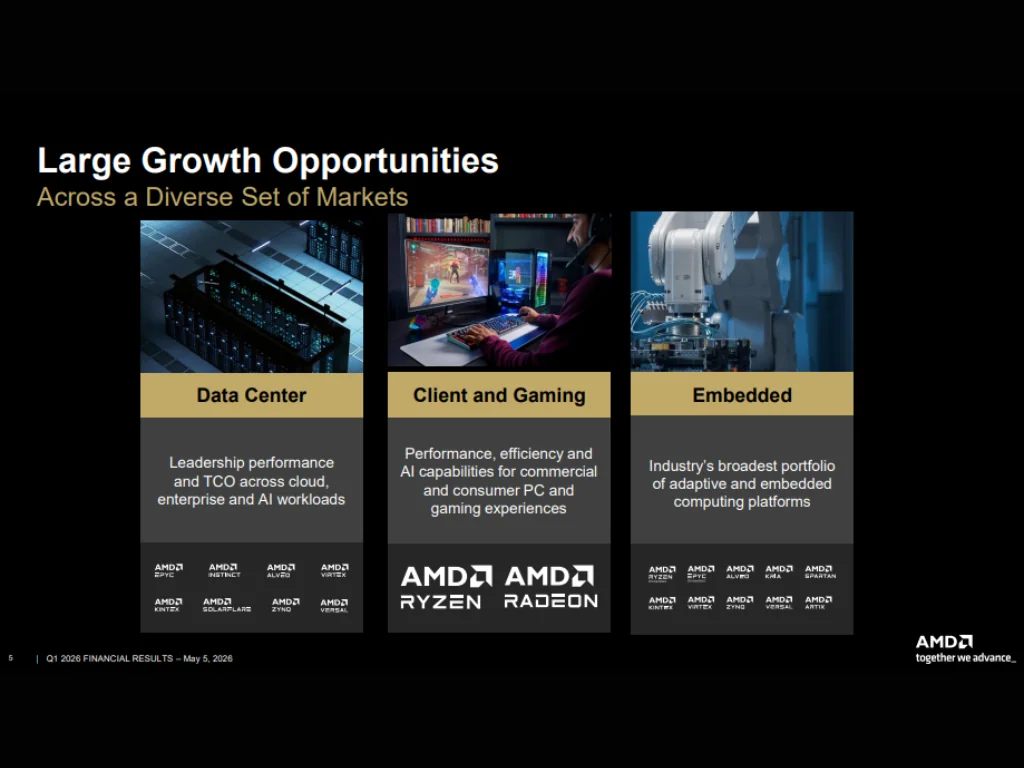
AI demand is one of the main forces behind the pressure. Data centers are consuming huge amounts of memory, storage, accelerators, and advanced components. That demand can reduce availability for consumer PC products or push prices higher across the supply chain.
For gamers, this means graphics cards may remain expensive. For general PC buyers, it means complete systems and upgrades may offer weaker value than expected.
Nvidia still dominates the AIB market
Nvidia continues to control most of the discrete graphics card market. Its reported 90 percent share shows how dominant the company remains, even with high prices and supply pressure.
AMD sits at around 8 percent, while Intel is near 1 percent. Intel’s small gain is worth watching, but the company still has a long way to go before becoming a major force in gaming GPUs.
The lack of major new GPU launches during Q1 also helped keep the market quiet. Nvidia has been focusing on keeping supply moving while also bringing back older GPUs for some mainstream segments. AMD has introduced the Radeon RX 9070 GRE more recently, and Intel has expanded its Arc Pro lineup, but the broader consumer GPU market is still waiting for a stronger refresh cycle.
New GPU launches may depend on memory availability
The next big GPU wave is expected around 2027 or 2028, with refreshed RTX Super style products also being discussed. However, timelines remain uncertain because memory availability is becoming a key factor.
Modern GPUs rely heavily on VRAM. If memory supply remains tight or prices keep rising, vendors may delay new launches, reduce production, or raise prices. That would make the GPU market even harder for buyers who are waiting for better value.
This is the biggest risk for the rest of 2026. A small shipment decline in Q1 is manageable. A longer period of rising prices and weak demand would be much more serious.
The PC market may face more pressure in the coming quarters
The Q1 data shows a market that is slowing, not breaking. GPU shipments slipped slightly, while desktop CPUs saw a much sharper fall. But the real concern is what happens next.
If memory and component prices keep climbing, many buyers may delay upgrades until 2027. Gaming PCs, DIY builds, and high performance desktops could become harder to justify, especially for people who do not urgently need new hardware.
For now, Nvidia still dominates GPUs, AMD remains in second place, and Intel is slowly trying to build a presence. But the broader PC market is being shaped less by brand competition and more by affordability.
The next few quarters will show whether this is a short slowdown or the start of a tougher pricing cycle for PC hardware.



Discussion (0)
Be the first to comment.