




Leading robotics researchers and industry executives recently shared new insights into the future of robotics, highlighting rapid progress in humanoid systems, generative AI, and general-purpose robot design. At the time of writing, the broader field continues to shift from task-specific automation toward more adaptable, context-aware machines capable of operating in real-world environments with far fewer constraints than earlier generations.
The conversations underscore an industry moment defined by breakthroughs in AI-driven perception, improved mobility, and expanding commercial demand. While manufacturing and logistics remain core deployments, robotics experts now see momentum building across agriculture, healthcare, construction, and in-home assistance applications as platforms evolve beyond traditional use cases.
The Expanding Role Of Generative AI In Robotics
Generative AI continues to influence robotics development by enabling systems that learn new tasks faster and adapt to shifting environments. Experts noted that models trained on large multimodal datasets help robots interpret scenes more accurately, develop flexible motor behaviors, and refine decisions based on context rather than rigid programming. This shift represents a move toward robots that can problem-solve and generalize, reducing the need for extensive hand-coded rules.
Researchers also pointed out that generative AI accelerates simulation workflows, supports safer real-world training, and improves robot reasoning. These developments bring robotics closer to broader deployment in unstructured settings such as retail, elder care, and service industries, where adaptability is essential.
Why Humanoid Robots Are Gaining Attention
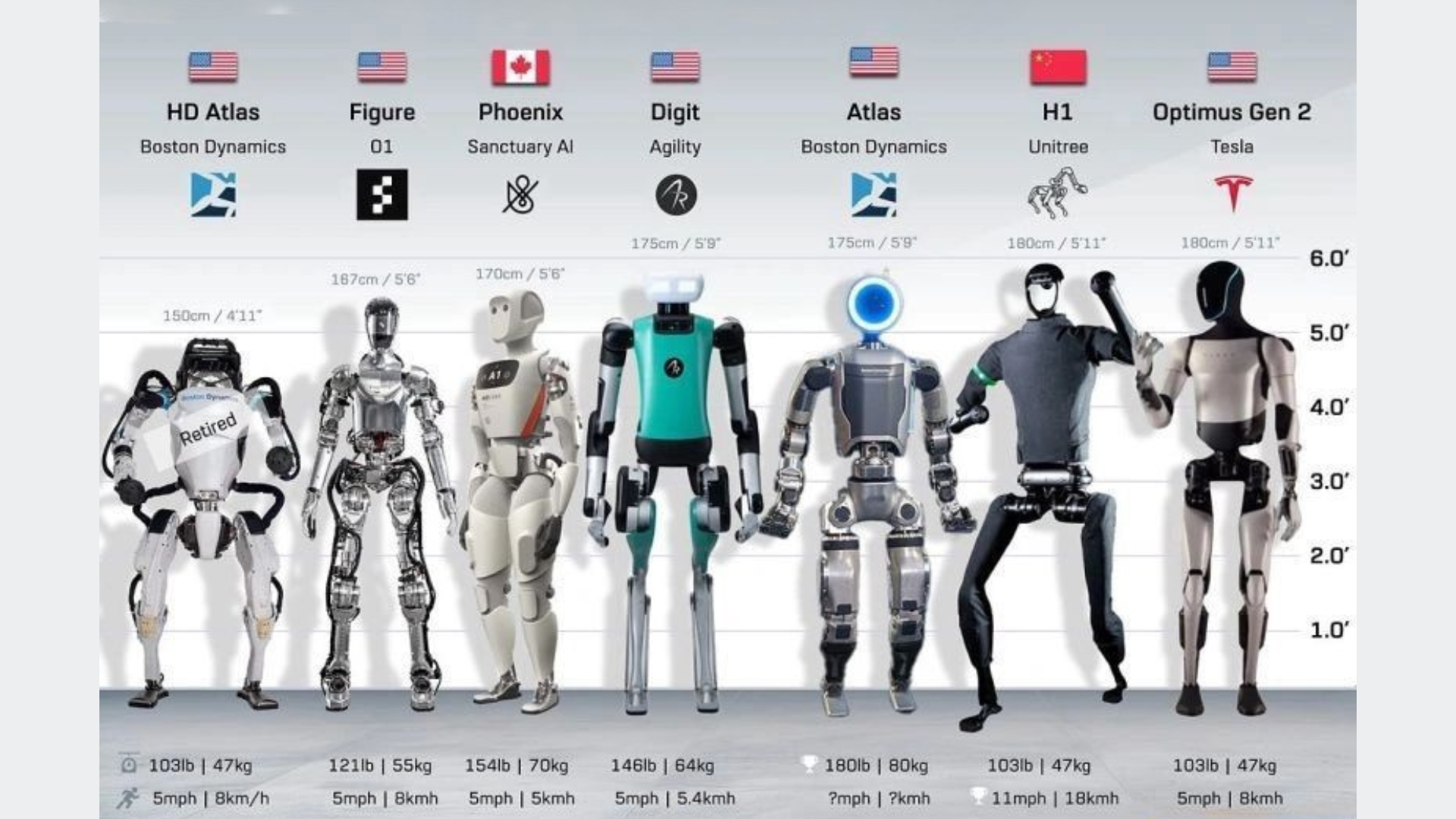
The humanoid robot form factor remains a topic of debate among industry specialists. Some experts emphasize that humanoids provide a natural fit for environments designed for humans, allowing them to navigate stairs, use tools, and operate in workplaces without major infrastructure redesign. Others argue that the added engineering complexity raises cost and reliability challenges that more specialized robots can avoid.
Despite mixed opinions, many leaders agree that humanoid robots will play an increasing role in logistics, manufacturing support, and long-term home assistance. Improved materials, refined actuators, and AI-enhanced balance and locomotion continue to make humanoids more viable for tasks previously out of reach.
New Use Cases Beyond Traditional Industrial Deployment
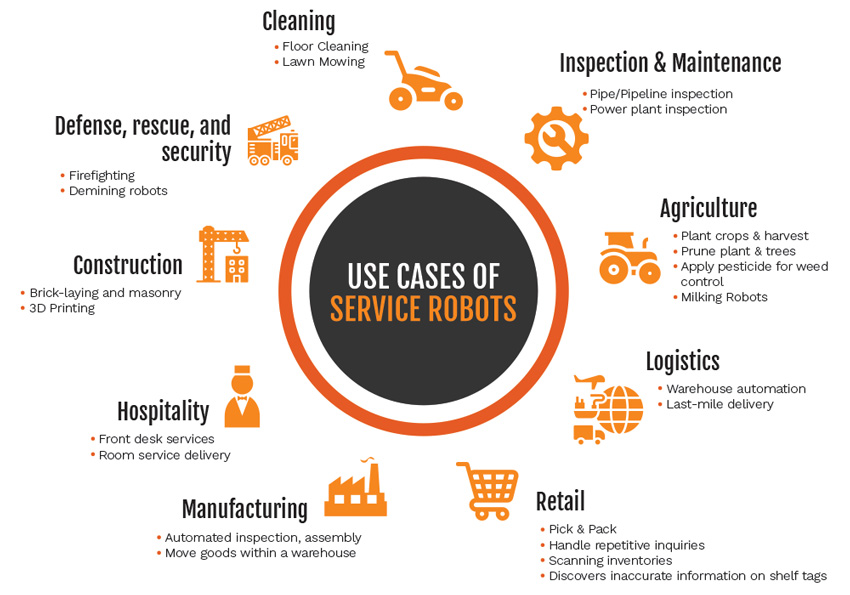
Experts highlighted a noticeable shift toward robotic applications outside factories and warehouses. Agriculture continues to see strong robotics adoption, with systems designed for crop monitoring, selective harvesting, and autonomous field operations. Robotics companies are also exploring opportunities in last-mile delivery, autonomous transportation support, and infrastructure inspection.
As sensors and AI models improve, robots can better handle unpredictable or high-variance tasks such as medical logistics, sanitation, and construction-site navigation. These emerging areas demonstrate how the robotics industry is expanding into sectors where adaptability, perception, and fine motor control matter as much as raw efficiency.
The Long Road Toward General-Purpose Robots
While robotics researchers remain optimistic, they acknowledge that true general-purpose robots capable of performing an open-ended range of tasks are still years away. Current prototypes show meaningful progress, but they require advances in materials science, long-duration power systems, manipulation dexterity, and multimodal AI decision-making.
Even so, experts believe steady iteration will lead to more capable multipurpose robots that can function across industries with minimal retraining. This direction aligns with increased investment in platform-based robotics, allowing companies to develop flexible hardware paired with modular software ecosystems.
The Future Of Home Robotics
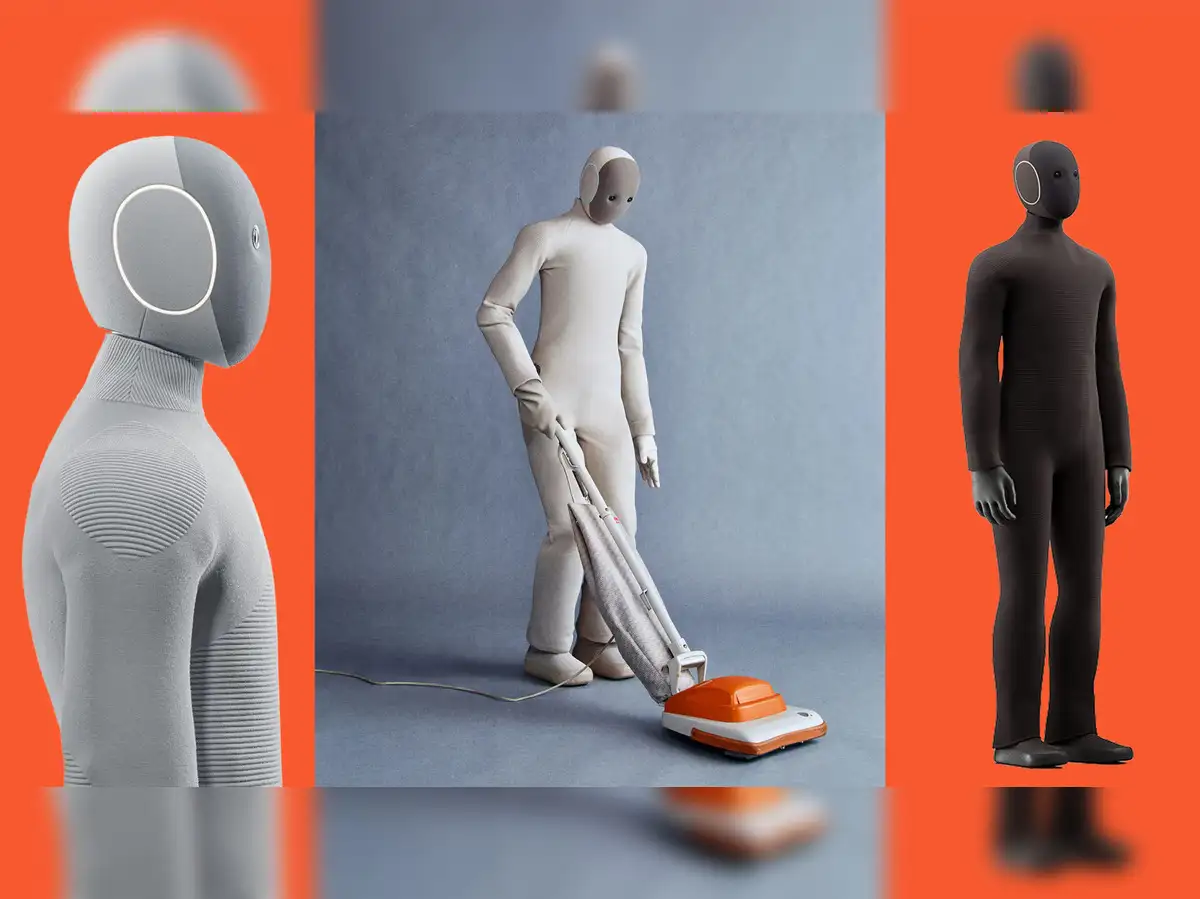
Consumer robotics remains an area of cautious optimism. While robotic vacuums dominate the market, several researchers expect a new class of home robots to emerge as AI-driven navigation, manipulation, and safety systems improve. Potential roles include decluttering support, basic caregiving assistance, object retrieval, and household monitoring.
Still, experts warn that home environments introduce significant unpredictability, making reliability and cost major barriers. For home robots to succeed, they must demonstrate meaningful day-to-day value at a price point that consumers can justify. Progress in generative AI, energy efficiency, and compact sensing technology may help bridge that gap.
Underreported Trends Shaping Robotics
Several robotics leaders urged the industry to highlight the steady, practical advancements occurring in agriculture, healthcare, and specialized industrial settings. These sectors show how incremental innovation produces measurable impact even without headline-grabbing humanoid prototypes.
Experts also emphasized the importance of modular platforms that support broad customization. By building robots with interchangeable components and flexible AI layers, companies can address new automation challenges without redesigning entire systems.
Together, these trends point to a future where humanoid robots, generative AI, and purpose-built automation all play complementary roles across global industries.



Discussion (0)
Be the first to comment.