



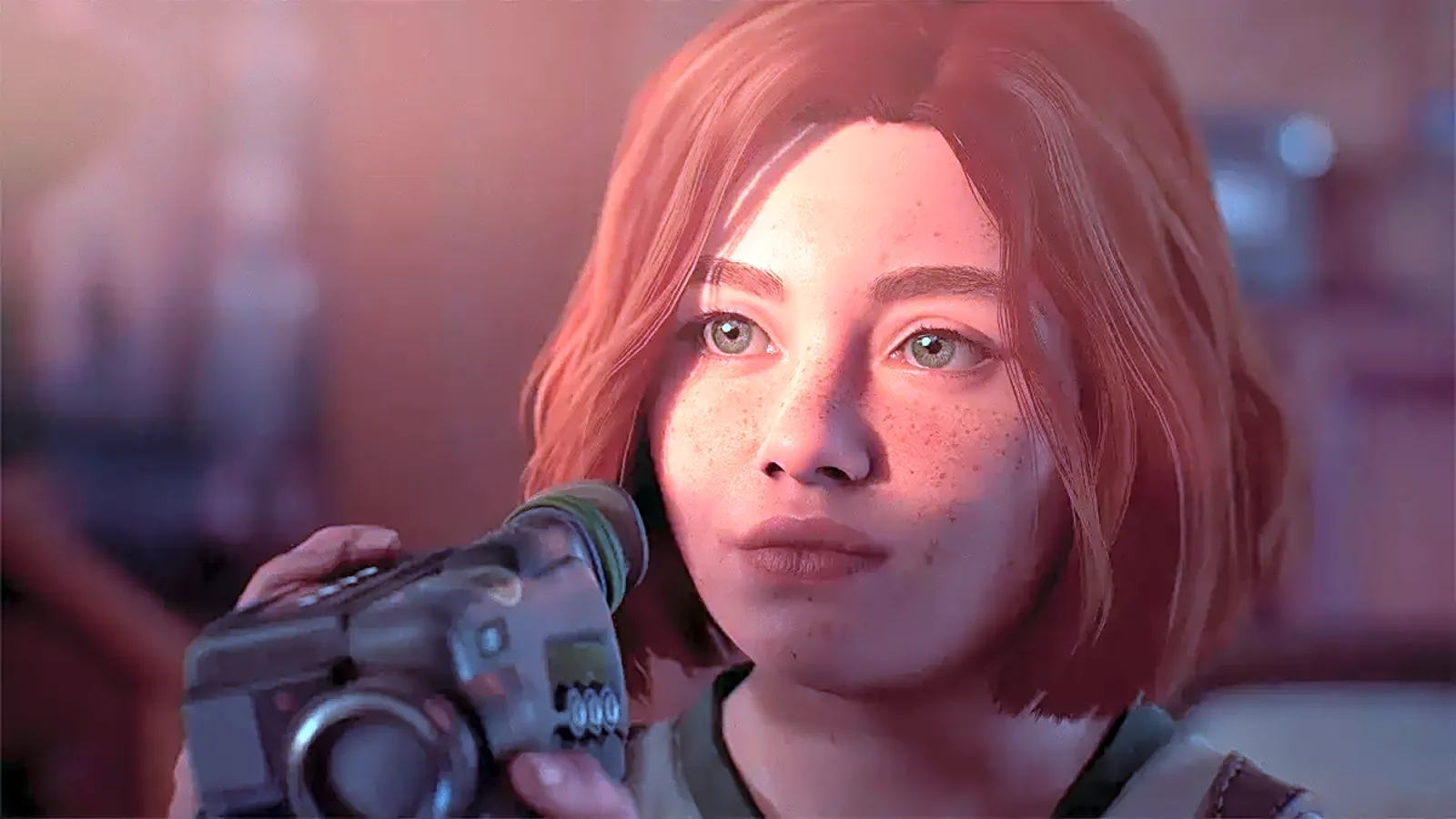
DON’T NOD is looking for ways to extend its cash runway after Tencent reportedly decided not to provide additional short term funding for the studio’s next project. The French developer, known for Life is Strange, Lost Records: Bloom & Rage, and the recently released Aphelion, says it is pursuing several financing and cost management options while trying to adapt to a difficult games market.
The situation follows claims from French reporter Gauthier Andres that DON’T NOD was approaching a serious cash shortage. The studio has pushed back on the most severe interpretation of that claim, but it did confirm that it is working to preserve cash and secure funding while continuing to adjust its operating structure.
This is another sign of how hard the current industry climate has become for mid sized studios. DON’T NOD has built a reputation around narrative driven games, but that kind of work can be risky when sales expectations are missed and outside investors become more cautious.
Tencent is not providing more short term funding
Tencent previously invested €30 million in DON’T NOD in 2021, but the company has reportedly decided against adding new short term funding for the studio’s next project. That decision leaves DON’T NOD searching for other ways to support its future pipeline.
The studio is currently working on a project known as Project P14, though details remain limited. Securing enough cash to finish and release that game appears to be one of the key goals behind DON’T NOD’s current financing efforts.
| Area | Current situation |
|---|---|
| Studio | DON’T NOD |
| Known for | Life is Strange, Lost Records, Aphelion |
| Recent issue | Tencent declined additional short term funding |
| Earlier Tencent investment | €30 million in 2021 |
| Current goal | Extend cash runway |
| Next project | Project P14 |
| Market challenge | Funding is difficult across the games industry |
DON’T NOD says it is using financing initiatives, disciplined cash management, and an optimized operating structure to extend its cash horizon.
DON’T NOD says the situation is part of a formal financial disclosure
The studio explained that its going concern statement reflects an accounting requirement for listed companies. In simple terms, that kind of language is often used when a company must disclose uncertainty about future funding or operations based on available financial information.

DON’T NOD also said that the disclosure does not include the possible impact of financing and cash preservation efforts it is currently pursuing. That means the company is not saying the outcome is final, but it is acknowledging that its financial position needs attention.
This distinction matters. The studio is not announcing closure, but it is clearly under pressure.
Lost Records missed expectations before Aphelion
DON’T NOD’s most recent release before Aphelion, Lost Records: Bloom & Rage, reportedly missed sales expectations. That adds pressure to the studio because narrative games often depend heavily on strong launch performance, word of mouth, and platform visibility.
It is not yet clear how Aphelion has performed commercially. Without strong sales data, it is difficult to know whether the new release has improved the studio’s outlook.
For a company like DON’T NOD, each project matters. Smaller and mid sized studios do not always have the financial cushion to absorb several underperforming games in a row, especially when development costs continue to rise.
Funding is harder to secure in the current games market
The wider video game industry has become much tougher for studios seeking investment. Publishers and investors are more cautious, platform deals are harder to rely on, and many companies are cutting costs instead of funding riskier projects.
Narrative focused games can be especially vulnerable because they are often less replayable than live service titles and can struggle to generate long term revenue after launch. That does not make them less valuable creatively, but it can make them harder to finance in a market obsessed with predictable returns.
DON’T NOD’s challenge is to prove that its next projects can find a strong enough audience while also reducing costs and securing support.
The studio’s future is not decided yet
DON’T NOD appears to be in a difficult but not hopeless position. The studio says it is pursuing multiple paths to extend its runway, and any one of those could help stabilize the company long enough to finish Project P14 and plan what comes next.
The concern is that if funding does not arrive, DON’T NOD could face deeper cuts, layoffs, project delays, or worse. That would be another painful moment for an industry that has already seen too many talented teams shrink or disappear.
For now, the studio is trying to buy time and find a sustainable path forward. Its future may depend on whether it can secure new financing, control costs, and turn its next project into a stronger commercial result.



Discussion (0)
Be the first to comment.