



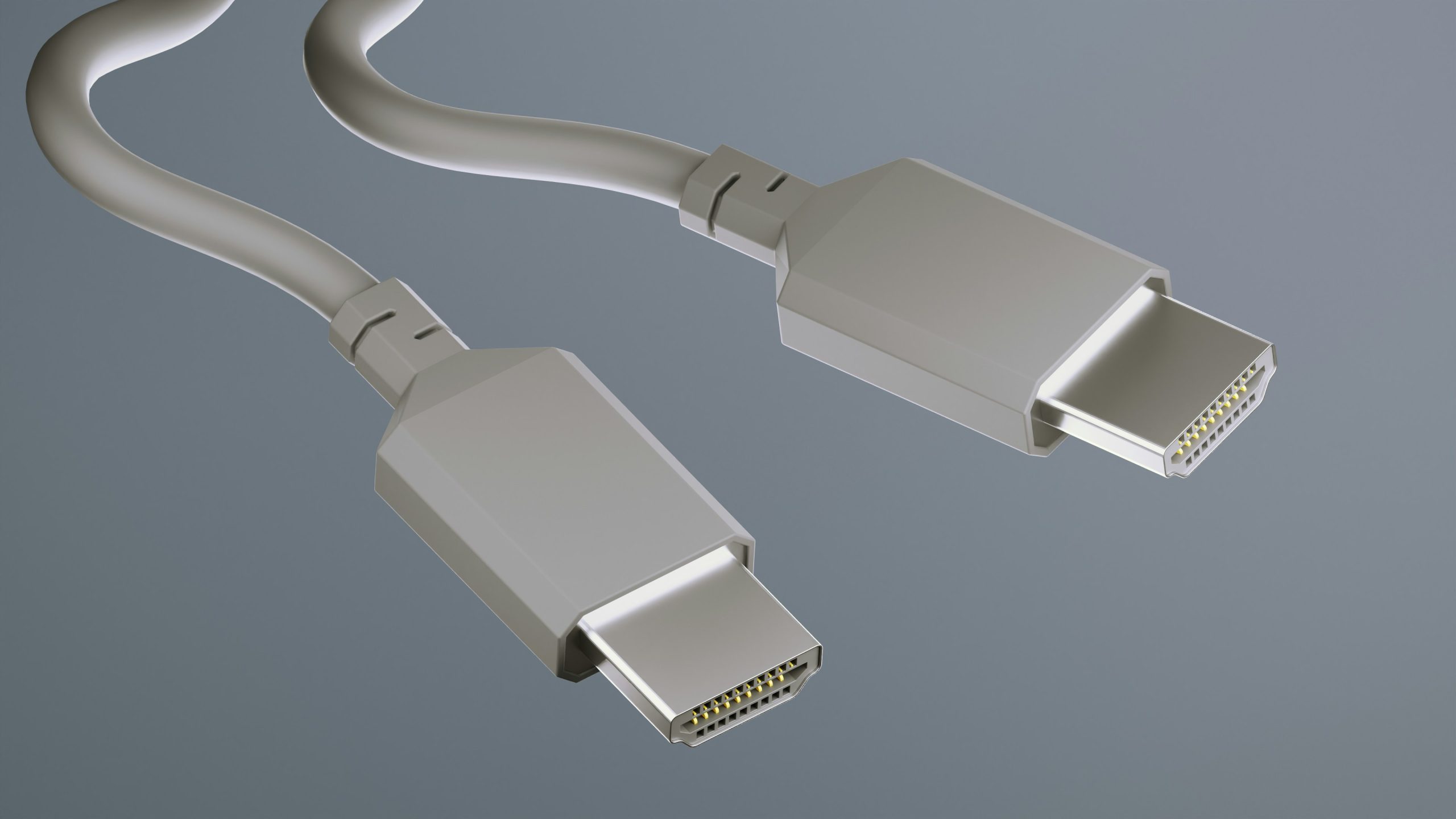
The first consumer devices with HDMI 2.2 support are not expected to arrive until 2027, even though the HDMI Forum has already introduced the new standard. HDMI 2.2 doubles the maximum bandwidth of HDMI 2.1 from 48Gbps to 96Gbps, giving future displays more room for high resolutions, high refresh rates, and full quality video output without relying as heavily on compression.
The new interface was shown at CES 2026, but products that can use its full bandwidth are still some time away. Chip makers are expected to begin sampling the required silicon this year, while finished HDMI 2.2 products should start appearing next year.
That means buyers looking at monitors, TVs, graphics cards, consoles, or professional video gear in 2026 should not expect widespread HDMI 2.2 support yet. As with earlier HDMI updates, the standard has been announced before the hardware ecosystem is ready.
HDMI 2.2 brings a major bandwidth jump
The biggest upgrade in HDMI 2.2 is bandwidth. HDMI 2.1 topped out at 48Gbps, while HDMI 2.2 increases that to 96Gbps. That extra bandwidth comes through a newer Fixed Rate Link transmission mode.
More bandwidth matters because modern displays are quickly moving toward higher refresh rates and sharper resolutions. Gaming monitors are already pushing 4K at 240Hz, while professional and enthusiast displays continue moving toward 8K and beyond.
| Standard | Maximum bandwidth | Main focus |
|---|---|---|
| HDMI 1.4 | 10.2Gbps | Older 1080p and basic 4K use |
| HDMI 2.1 | 48Gbps | 4K high refresh and 8K support |
| HDMI 2.2 | 96Gbps | Future high resolution and high refresh displays |
The new standard could support configurations such as 4K at 240Hz and 8K at 60Hz with full chroma quality. That is important for users who care about sharp text, clean color detail, and fast motion.
HDMI 2.2 could reduce the need for compression
Many current high end display modes rely on Display Stream Compression, also known as DSC. DSC can work well, and most users may not notice issues in normal use. Still, some professionals and enthusiasts prefer uncompressed output when possible.
HDMI 2.2’s higher bandwidth gives device makers more flexibility. It can support demanding display modes with less dependence on compression, which could help gaming monitors, production displays, VR headsets, and other high end devices.
This does not mean DSC will disappear. Display makers may still use compression to push even more extreme combinations of resolution, refresh rate, HDR, and color depth. But HDMI 2.2 gives the industry more headroom.
Ultra96 cables will be needed for full bandwidth
The HDMI Forum is also introducing a new cable certification program called Ultra96. Certified Ultra96 cables will be needed to unlock the full 96Gbps bandwidth on compatible HDMI 2.2 devices.
This is important because HDMI naming can already be confusing for buyers. A device may support a version of HDMI, but the cable must also be capable of carrying the required signal. With HDMI 2.2, users who want the full experience will need to look for certified Ultra96 cables.
That will matter most for people using very high end display modes. A basic setup may not need the full 96Gbps, but a future 4K 240Hz or 8K display could.
GPU and display support will take time
Reports suggest that future graphics platforms, including AMD RDNA 5, may support HDMI 2.2. But even if GPUs begin adopting the standard in 2027, the wider market will still need compatible monitors, TVs, cables, and source devices.
This is normal for display standards. HDMI 2.1 was announced years before it became common across TVs, consoles, graphics cards, and monitors. HDMI 2.2 will likely follow a similar path.
Early products may appear in premium displays first. Enthusiast gaming monitors, professional video equipment, and high end TVs are the most likely candidates because they can benefit most from the added bandwidth.
Most buyers do not need to wait yet
For most people, HDMI 2.1 is still enough today. It already supports many common high end use cases, including 4K gaming at high refresh rates, variable refresh rate, and modern console features.
HDMI 2.2 is more important for the next wave of displays. If you are buying a normal monitor or TV in 2026, HDMI 2.1 should still be fine. If you are planning to spend heavily on a future proof display for 8K, very high refresh rates, or professional workflows, it may be worth watching the HDMI 2.2 rollout more closely.
The key point is timing. HDMI 2.2 is real, and its 96Gbps bandwidth is a major step forward. But compatible products are not expected to arrive in meaningful numbers until 2027, so consumers will need to wait before the new standard becomes part of everyday hardware.



Discussion (0)
Be the first to comment.