



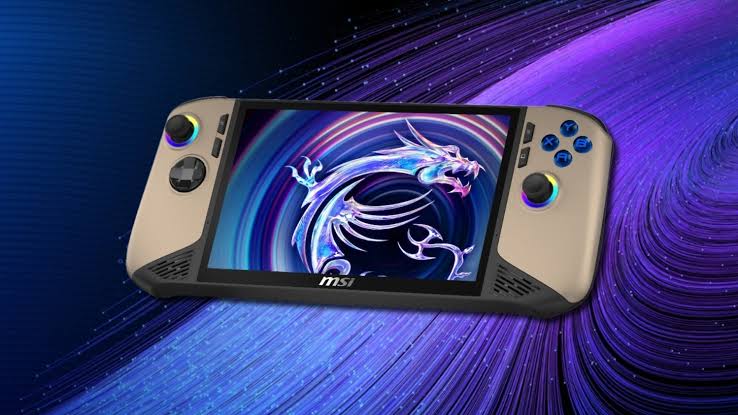
MSI says 2026 will be a difficult year for gaming handheld makers and players, as rising RAM and SSD costs continue to push hardware prices higher. The company’s latest Claw 8 EX AI+ handheld already costs far more than the previous Claw 8 model, and MSI now suggests another price increase could happen later.
The MSI Claw 8 EX AI+ is listed at $1,699 on MSI’s official website, while major retailers show it closer to $1,599. Either way, that puts it well above the earlier Lunar Lake based Claw 8 and far outside the budget range many handheld PC buyers expect.
MSI says the price increase is tied to both the major hardware upgrade inside the new model and the wider memory and storage shortage affecting the PC industry. The handheld uses Intel’s newer Arc G3 Extreme platform, also known as a Panther Lake variant, with an Arc B390 integrated GPU. That should bring a meaningful performance jump, but it also lands at a time when component prices are making new devices harder to price competitively.
Why the MSI Claw 8 EX AI+ costs so much
The Claw 8 EX AI+ is not a small refresh. MSI has moved to a newer Intel platform and upgraded the hardware enough to make the handheld more powerful than earlier models. The company says the system should run modern games better, with less need to lean on upscaling in some cases.
But the timing is difficult. Memory and SSD supply issues have increased costs across the PC market. MSI’s product marketing lead, Andy Chu, said the company tried to secure RAM and storage at lower prices, but the market still forced higher pricing.
| Detail | MSI Claw 8 EX AI+ |
|---|---|
| Official MSI price | $1,699 |
| Retailer price | Around $1,599 |
| Platform | Intel Arc G3 Extreme |
| Graphics | Arc B390 integrated GPU |
| Main cost pressure | RAM and SSD shortages |
| Market outlook | MSI expects 2026 to be difficult |
| Future pricing | Another price hike may happen |
That makes the Claw 8 EX AI+ a powerful device, but also one that many players may see as too expensive for a handheld.
Handheld PCs are moving beyond their original price appeal
Portable gaming PCs became popular partly because they offered a middle ground between consoles and gaming laptops. Devices such as the Steam Deck made handheld PC gaming feel more accessible, even if performance was limited compared with full gaming PCs.
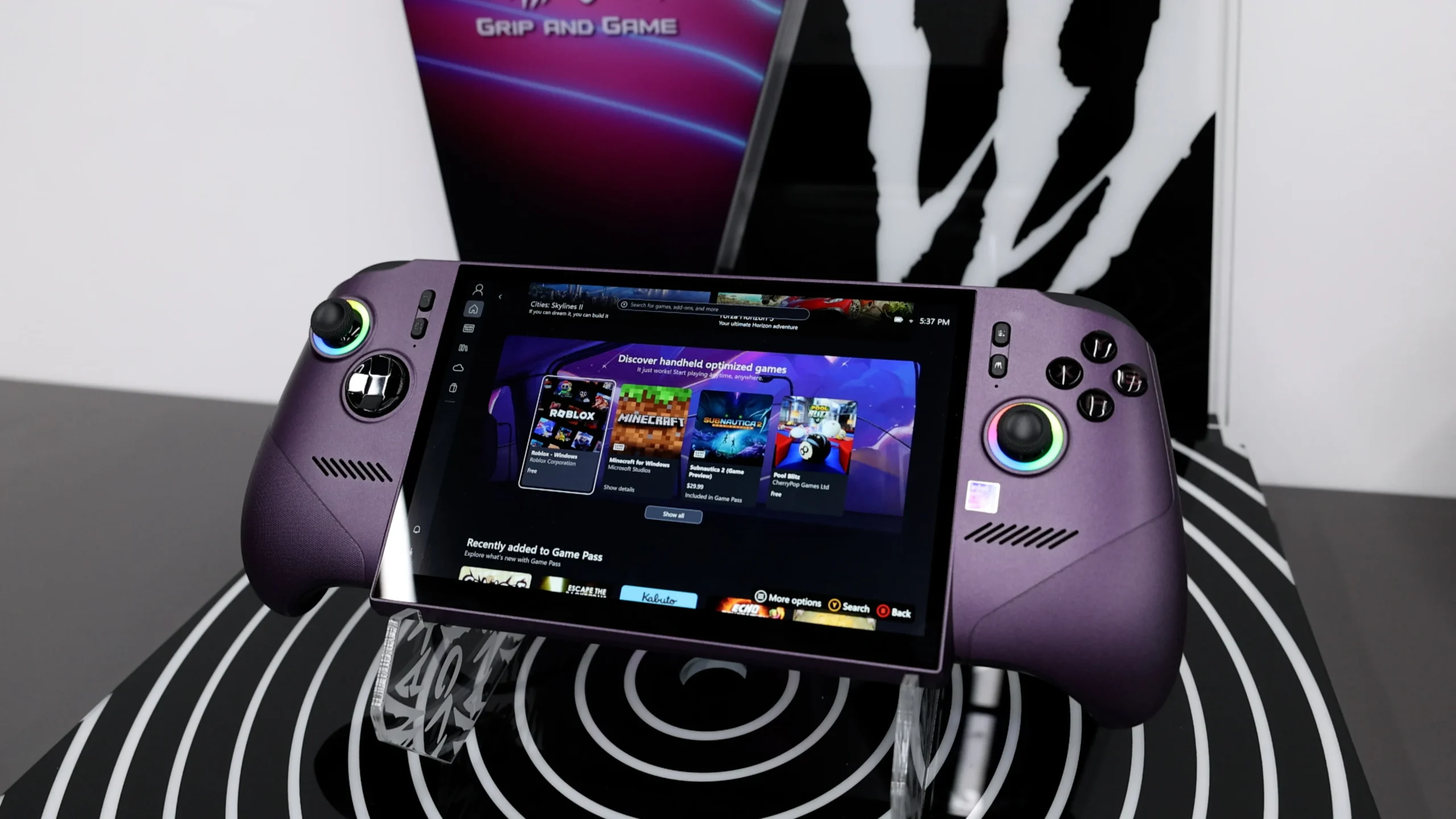
The newer wave of handhelds is moving in another direction. Manufacturers are adding stronger chips, better screens, larger batteries, faster storage, and more premium designs. That improves performance, but it also pushes prices closer to gaming laptop territory.
At $1,599 or $1,699, the Claw 8 EX AI+ is no longer an easy impulse purchase. It is competing with full laptops, desktop builds, and high end tablets. That makes the value argument harder, even if the performance is strong.
Memory and storage shortages are hurting the wider PC market
MSI’s comments fit a broader pattern across the hardware industry. AI demand, data center expansion, and supply pressure have affected memory and storage pricing. That has already made gaming PCs, laptops, SSDs, RAM kits, and handhelds more expensive.
Gaming handhelds are especially sensitive to these costs because they rely on compact, efficient parts. Manufacturers have to fit CPU, GPU, memory, storage, cooling, display, battery, and controls into a small chassis. If RAM and SSD prices rise, there is less room to absorb those costs without increasing the final retail price.
This is why MSI says the situation may remain difficult for both Intel and device vendors. The company appears cautious about promising lower handheld prices anytime soon.
Another price hike would make premium handhelds harder to justify
MSI’s warning that another price hike could happen is not good news for players. The handheld PC market is already split between affordable devices and premium models. If prices keep rising, only the most dedicated buyers may consider top end handhelds.
That could slow adoption. Many people want portable PC gaming, but not everyone is willing to pay more than $1,500 for it. At that level, buyers expect excellent performance, strong battery life, polished software, good thermals, and long term support.
The Claw 8 EX AI+ may deliver a major hardware leap, but the price puts pressure on MSI to prove that leap is worth it.
2026 could test the future of Windows gaming handhelds
The handheld PC market is still young, and 2026 may become a difficult test. Hardware is improving quickly, but pricing is moving in the wrong direction for mainstream buyers.
If memory and SSD costs remain high, companies may have to choose between cutting specs, raising prices, or accepting lower margins. None of those options is ideal. Lower specs can weaken the product, higher prices reduce demand, and lower margins hurt manufacturers.
For MSI, the Claw 8 EX AI+ shows both the promise and the problem. It brings newer Intel graphics and stronger hardware into a handheld design, but the cost makes it harder to recommend to everyday gamers.
The next few months will show whether premium handheld buyers are willing to pay laptop level prices for portable performance. For now, MSI’s warning makes one thing clear: gaming handhelds may get faster in 2026, but they may not get cheaper.
Discussion (0)
Be the first to comment.