




Scammers are reportedly selling fake NVIDIA RTX graphics cards with plastic chips glued or placed where the real GPU should be. The latest example appears to involve a fake ASUS GeForce RTX 4090 that used a plastic piece marked like an NVIDIA AD102 GPU, along with scrap memory dies that looked convincing at first glance.
The case shows how far GPU scams have moved beyond simple used card tricks. In the past, fake graphics cards often used older chips, missing components, or misleading BIOS information. This time, the fake card reportedly did not contain a working high end GPU at all. The visible chip was made from plastic and labeled to imitate real silicon.
That makes the scam especially dangerous for buyers who shop through online marketplaces and do not inspect hardware closely. A fake RTX 4090 may look real in photos, and many buyers would never remove the cooler to check the chip underneath.
Why this fake RTX 4090 looked convincing at first
The fake graphics card was reportedly presented as an ASUS GeForce RTX 4090. A real RTX 4090 should use NVIDIA’s AD102 Ada Lovelace GPU. The chip on this fake card had markings that tried to copy that look, which could fool someone checking the card quickly.
The problem became clear only after the cooler was removed and the thermal paste was cleaned off. The markings did not match NVIDIA’s usual style, the surrounding components did not look right, and the date code suggested the chip was made in 2030, which is an obvious red flag.
| Warning sign | Why it matters |
|---|---|
| Very low price | A real RTX 4090 is still far more expensive |
| Strange chip markings | Fake labels may not match NVIDIA’s font or layout |
| Future date code | A 2030 manufacturing date is impossible today |
| Missing QR code | Real GPU packages include specific markings |
| Wrong component layout | Capacitors and nearby parts may not match real boards |
| Scrap memory dies | Fake cards may use useless parts for appearance |
| Marketplace listing | Scams are more common outside trusted retail channels |
The plastic GPU reportedly felt different from real silicon when touched. That kind of detail is not something most buyers can verify before purchase, which is why price and seller trust matter so much.
The price was the clearest warning sign
The fake RTX 4090 was reportedly listed for around 1,500 RMB, or roughly $220. That price alone should make any buyer suspicious. A genuine RTX 4090 launched at $1,599 in the US and continues to sell at high prices, especially as GPU and memory supply pressures remain strong.
When a high end graphics card appears online for a tiny fraction of its real market value, it is almost never a harmless bargain. It may be broken, stolen, missing parts, flashed with a fake BIOS, or completely counterfeit.
Scammers know that many PC gamers are looking for cheaper hardware as new GPUs become more expensive. They use that pressure to make fake deals look tempting.
Online marketplaces remain risky for expensive GPUs
Buying a used or discounted GPU online is not always a bad idea, but it carries real risk. Marketplaces often rely on photos, seller ratings, and buyer protection policies. Those protections help, but they cannot fully prevent fake listings.
Some fake cards may show convincing box art, real looking coolers, and copied serial labels. Others may use real boards from older or dead cards and dress them up as newer models.
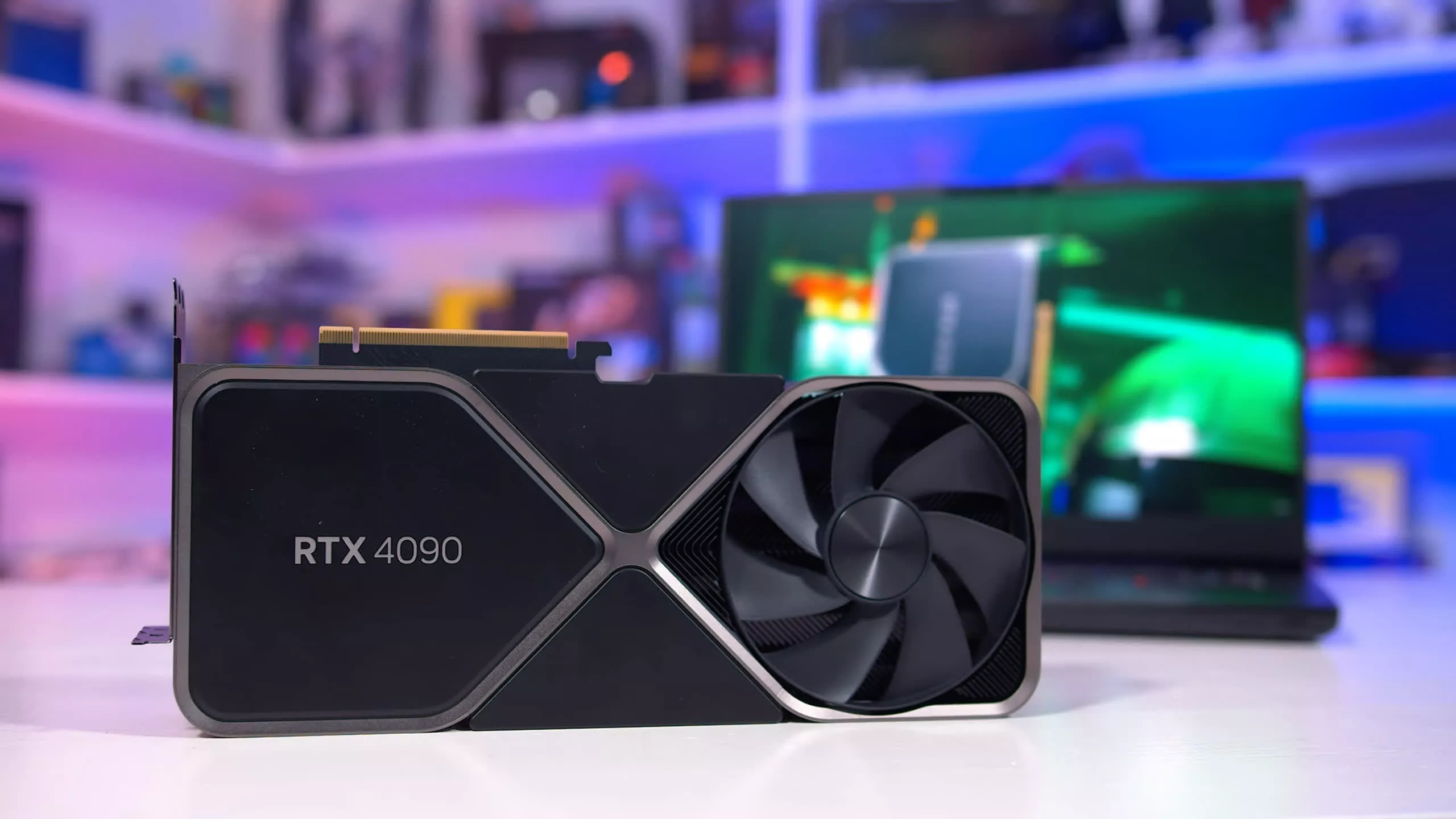
The safest option is to buy expensive GPUs from official retailers, trusted stores, or sellers with strong return policies. If you buy used, ask for proof that the card works, including recent photos, benchmark screenshots, serial information, and clear images of the actual product rather than stock photos.
Even boxed graphics cards can be part of scams
Fake GPU scams are not limited to no name marketplace listings. There have been cases where graphics card boxes contained missing hardware, dead cards, rocks, detergent, or other objects. Some scams happen through returns, where a buyer removes the real GPU and sends back something else.
That is why it is important to inspect packages quickly after delivery. If the box looks tampered with, the serial numbers do not match, or the card appears damaged, record everything before installing it. Photos and videos can help if you need to file a dispute.
How buyers can avoid fake GPU deals
The best defense is skepticism. A deal that looks too good to be true usually is, especially for premium graphics cards such as the RTX 4090, RTX 4080, RTX 5090, or other expensive models.
Buyers should avoid listings with vague descriptions, blurry photos, no proof of operation, or prices far below normal market value. It is also smart to check the seller’s history and avoid accounts with little activity or repeated high value electronics listings.
For PC builders, this is another reminder that expensive hardware should be treated carefully. Counterfeit GPUs are becoming more detailed, and scammers are willing to use fake plastic chips and scrap components to make a dead card look real.
A cheap RTX card may look like the deal of the year, but if the price makes no sense, it is better to walk away than risk paying for a piece of plastic.



Discussion (0)
Be the first to comment.