



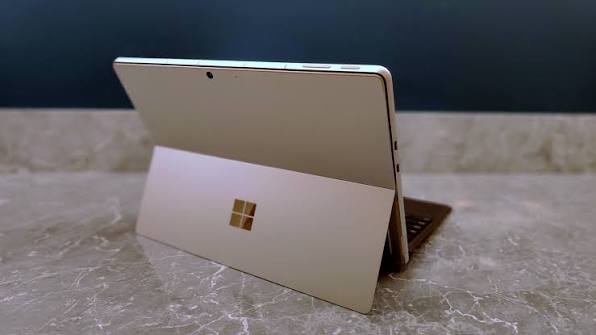
Microsoft’s Surface lineup has become harder to understand because several new devices now use names that look almost identical while referring to different products. The biggest problem is the difference between the Surface Pro 12, the Surface Pro 12 inch, and the Surface Pro 13 inch 12th Edition, which can easily confuse shoppers who are not closely following every Surface announcement.
Microsoft has introduced several Surface devices this year, including business and consumer versions of Surface Pro and Surface Laptop hardware. Some products have clear names, such as Surface Laptop Ultra and Surface RTX Spark Dev Box. But the main Surface Pro and Surface Laptop lines now mix screen sizes, generation numbers, and edition labels in a way that makes simple shopping more complicated than it should be.
For a premium PC lineup, naming clarity matters. Buyers should be able to search for one device and quickly understand which model they are looking at, what generation it belongs to, and whether it is a business or consumer product.
Why the Surface Pro names are confusing
The Surface Pro line has the biggest naming problem because Microsoft uses both screen size and generation numbers in similar ways. The Surface Pro 12 inch is not the same thing as the Surface Pro 12. That alone is enough to confuse many buyers.
The smaller Surface Pro 12 inch launched after the Surface Pro 11, but before the Surface Pro 13 inch 12th Edition. Since many people naturally shorten product names, the Surface Pro 12 inch is often casually called Surface Pro 12, even though that name better fits the newer 12th Edition model.
| Official name | Common name people may use | Why it is confusing |
|---|---|---|
| Surface Pro 13 inch 11th Edition | Surface Pro 11 | Uses edition number, not just product number |
| Surface Pro 12 inch 1st Edition | Surface Pro 12 inch | Can be mistaken for Surface Pro 12 |
| Surface Pro 13 inch 12th Edition | Surface Pro 12 | Sounds similar to Surface Pro 12 inch |
This is not only a tech enthusiast problem. A regular buyer searching online could easily land on the wrong device or compare models that are not direct replacements for each other.
Surface Laptop names add another layer of confusion
The Surface Laptop lineup has similar issues. Microsoft’s website does not clearly present a device called Surface Laptop 8 in the same simple way many buyers might expect. Instead, shoppers may see names such as Surface Laptop 13 inch and Surface Laptop 13.8 inch.
Those names look close enough that many people could assume they are the same product. But they can refer to different generations or different models with different hardware.
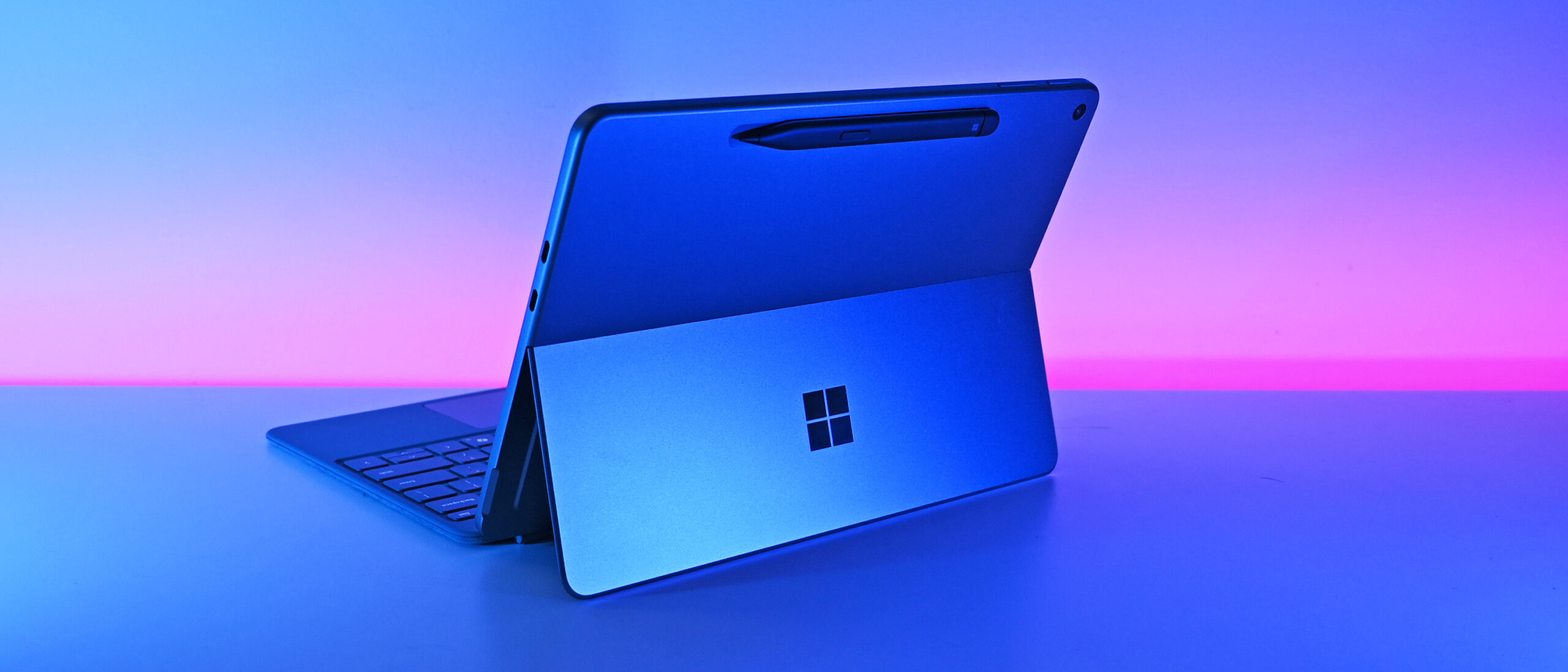
The problem becomes worse at third party retailers. A search for Surface Laptop may show Surface Laptop 13, Surface Laptop 13.8 inch 7th Edition, and newer Surface Laptop 13.8 inch models together. Without careful reading, it is hard to know which one is the newest or which one matches Microsoft’s latest launch.
Microsoft changed naming styles too many times
Part of the issue is that Microsoft has changed Surface naming styles over the years. Early Surface Pro models used simple numbers. Later, Microsoft experimented with edition based names, then shifted again.
That makes the current lineup feel inconsistent. Some products are known by generation numbers, others by screen size, and others by edition labels. When those numbers overlap, the names become messy.
This matters more for Surface because the devices are expensive. A buyer spending premium money should not have to decode a naming chart just to understand whether a product is new, old, large, small, consumer focused, or business focused.
Search results do not make the problem easier
Microsoft may argue that its official names are technically clear, but product names also need to work in real shopping situations. People search for short names. They type Surface Pro 12 or Surface Laptop 8 into search engines and retailer websites.
If those searches return several similar devices, clarity has already failed. A product name should reduce confusion, not create more of it.
This is especially important because the average buyer does not follow every Surface press release. They may only know that a new Surface Pro or Surface Laptop exists. From there, Microsoft and retailers need to guide them clearly.
Surface needs simpler names before the lineup grows further
Microsoft’s hardware lineup is already broad enough that clear naming should be a priority. A simple structure would help buyers compare devices and avoid mistakes.
Microsoft could use clearer names based on year, generation, and size. For example, a name like Surface Pro 2026 13 inch would be easier for many buyers than Surface Pro 13 inch 12th Edition. The company could also make business and consumer models more obvious in retail listings.
The Surface brand still has strong recognition, and the hardware itself remains important for Windows. But naming confusion can weaken that advantage. When even interested buyers need a chart to understand the lineup, the problem is no longer small.
Microsoft should fix this before the next Surface wave. Surface devices should feel premium from the first search, not only after a buyer figures out which model they were supposed to look for.



Discussion (0)
Be the first to comment.