



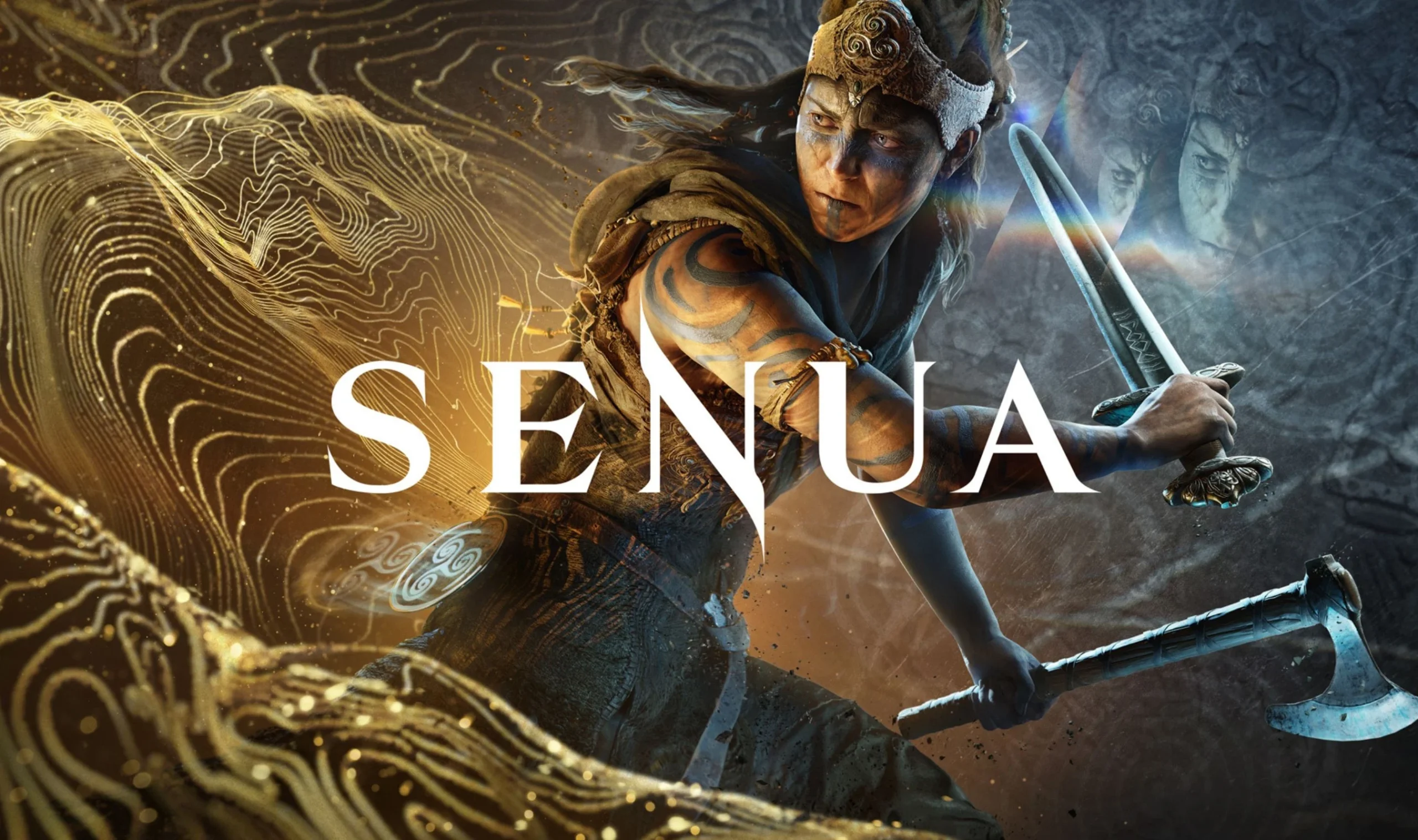
Microsoft reportedly revealed Senua at the Xbox Games Showcase partly to help draw investor interest to Ninja Theory, even though the company had already planned to move away from the studio. The report adds a troubling layer to the recent news that Ninja Theory, Double Fine, Compulsion Games, and other Xbox studios may be at risk as Microsoft prepares a wider gaming reset.
Senua was one of the more notable reveals from the Xbox Games Showcase. It was presented as the next Hellblade game and promised broader gameplay, deeper combat, and an interconnected world, with a planned 2027 release window. For fans, it looked like a sign that Xbox still had confidence in Ninja Theory after Senua’s Saga: Hellblade 2.
Now, reports suggest the situation behind the scenes was very different. Microsoft had reportedly already planned to sunset or split from Ninja Theory by the time the trailer was shown, and the new game announcement was meant to make the studio more attractive to outside investors or potential buyers.
Why the Senua reveal now looks different
At the time, Senua looked like a straightforward Xbox first party announcement. The trailer suggested Ninja Theory had a future inside Microsoft’s gaming business and that the Hellblade series would continue with more ambitious scope.
The new report changes that reading. If Microsoft was already preparing to part ways with the studio, the trailer may have been less about long term Xbox investment and more about showing that Ninja Theory still had active creative value.
| Detail | Reported situation |
|---|---|
| Studio | Ninja Theory |
| Game announced | Senua |
| Planned release | 2027 |
| Reported Microsoft plan | Sunset or split from the studio |
| Reason for reveal | Help draw investor interest |
| Studio status | Reportedly hoping to find a buyer |
| Fate of Senua | Unclear |
That makes the announcement feel more complicated. It may have helped show the studio’s work to the public, but it also raises questions about how much support the game and team really had from Xbox.
Ninja Theory may be looking for a buyer
A separate report says Ninja Theory’s time as an Xbox studio may be close to ending and that employees are hoping the studio can find a buyer. It is not clear whether the developers knew about Microsoft’s reported plans when Senua was announced.
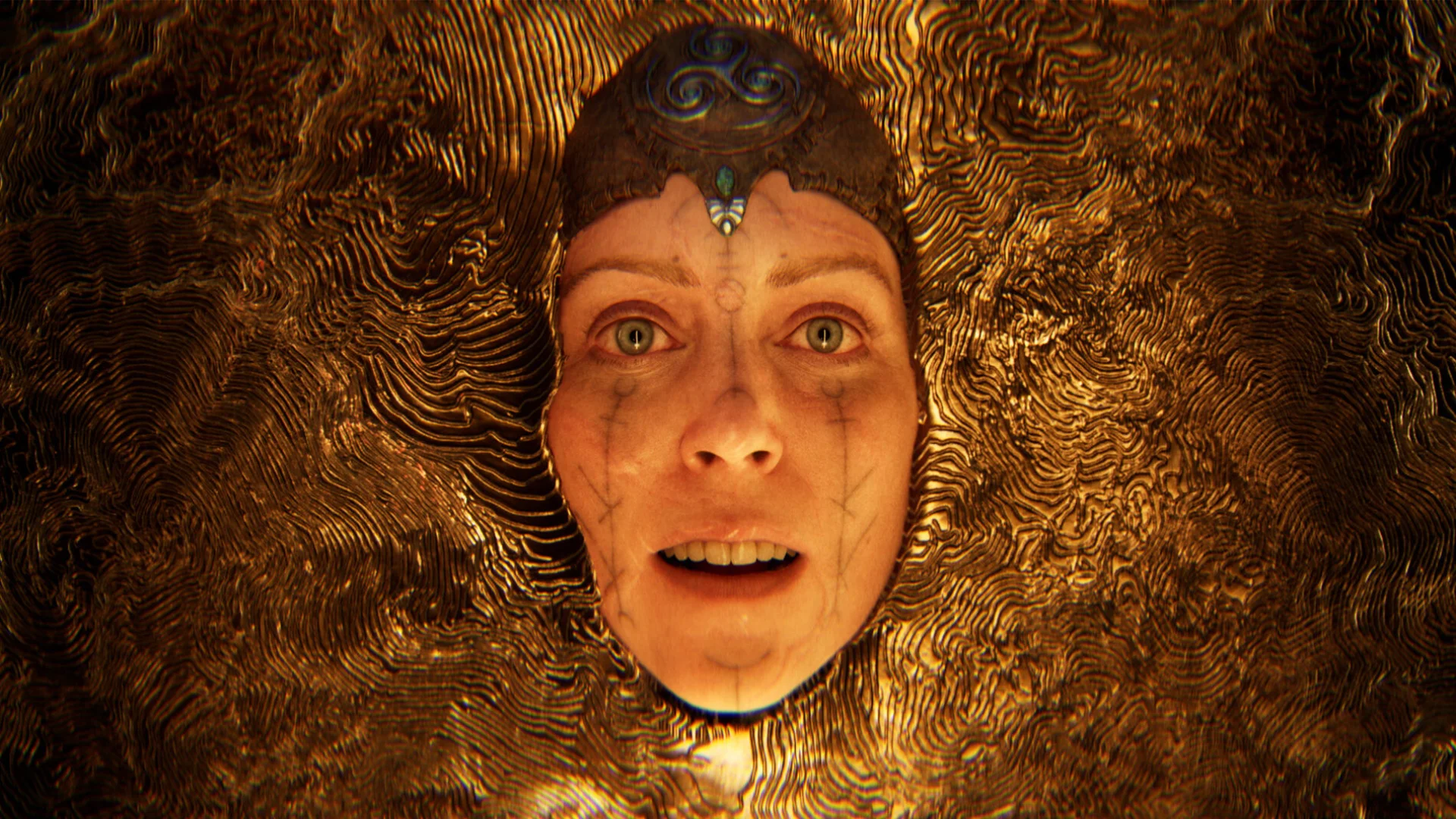
The future of the game is also uncertain. If Ninja Theory finds a buyer, Senua could continue under new ownership or with a publishing arrangement. If no buyer appears, the project may face delays, changes, or cancellation.
That uncertainty is difficult for fans, but it is even more difficult for the developers. Ninja Theory is known for distinctive narrative games, and Hellblade became one of its defining works. Losing that team or splitting it apart would be a major loss for Xbox’s creative variety.
Xbox’s wider reset is affecting several studios
The Ninja Theory report follows broader claims that multiple Xbox studios are in active negotiations over their future. Double Fine and Compulsion Games have also been mentioned as teams at risk, while Xbox Game Studios head Craig Duncan and chief of staff Louise O’Connor have reportedly stepped down.
The situation comes as Microsoft prepares a larger reorganization under new Xbox CEO Asha Sharma. Xbox leaders have reportedly said the division has over extended itself and needs to focus more heavily on its largest core franchises.
That could mean more investment in Halo, Fallout, The Elder Scrolls, Gears of War, Forza, and Call of Duty, while smaller or more experimental studios face cuts, sales, or separation.
The strategy may narrow Xbox’s creative identity
Focusing on major franchises may make business sense in the short term. Big brands are easier to market, easier to monetize, and more predictable for investors. Xbox has also faced pressure to improve margins after years of acquisitions, Game Pass growth efforts, and rising development costs.
But the risk is that Xbox becomes less interesting. Studios such as Ninja Theory, Double Fine, and Compulsion give the platform creative range. They make games that are smaller, stranger, more personal, and more artistically distinct than annualized blockbusters.
If Microsoft reduces that part of its portfolio, Xbox may become more efficient but less culturally relevant. Players do not only remember platforms for their biggest franchises. They also remember the unusual projects that give them personality.
Senua’s future is now part of a bigger Xbox question
Senua was supposed to be a sign of Ninja Theory’s next chapter. Instead, it has become part of a larger debate about what Xbox wants to be.
If Microsoft can help Ninja Theory find a buyer and keep the team intact, the studio may still have a future outside Xbox. If the studio closes or loses key staff, Senua may become another example of a promising game caught in corporate restructuring.
For now, nothing is final. The reports point to a difficult period for Xbox studios, but Microsoft has not publicly detailed the full plan. What is clear is that the Senua reveal no longer looks like a simple celebration of a new game.
It now appears tied to Microsoft’s attempt to reshape Xbox around fewer priorities, fewer risks, and larger franchises. That may help the business, but it could come at a high creative cost.



Discussion (0)
Be the first to comment.