



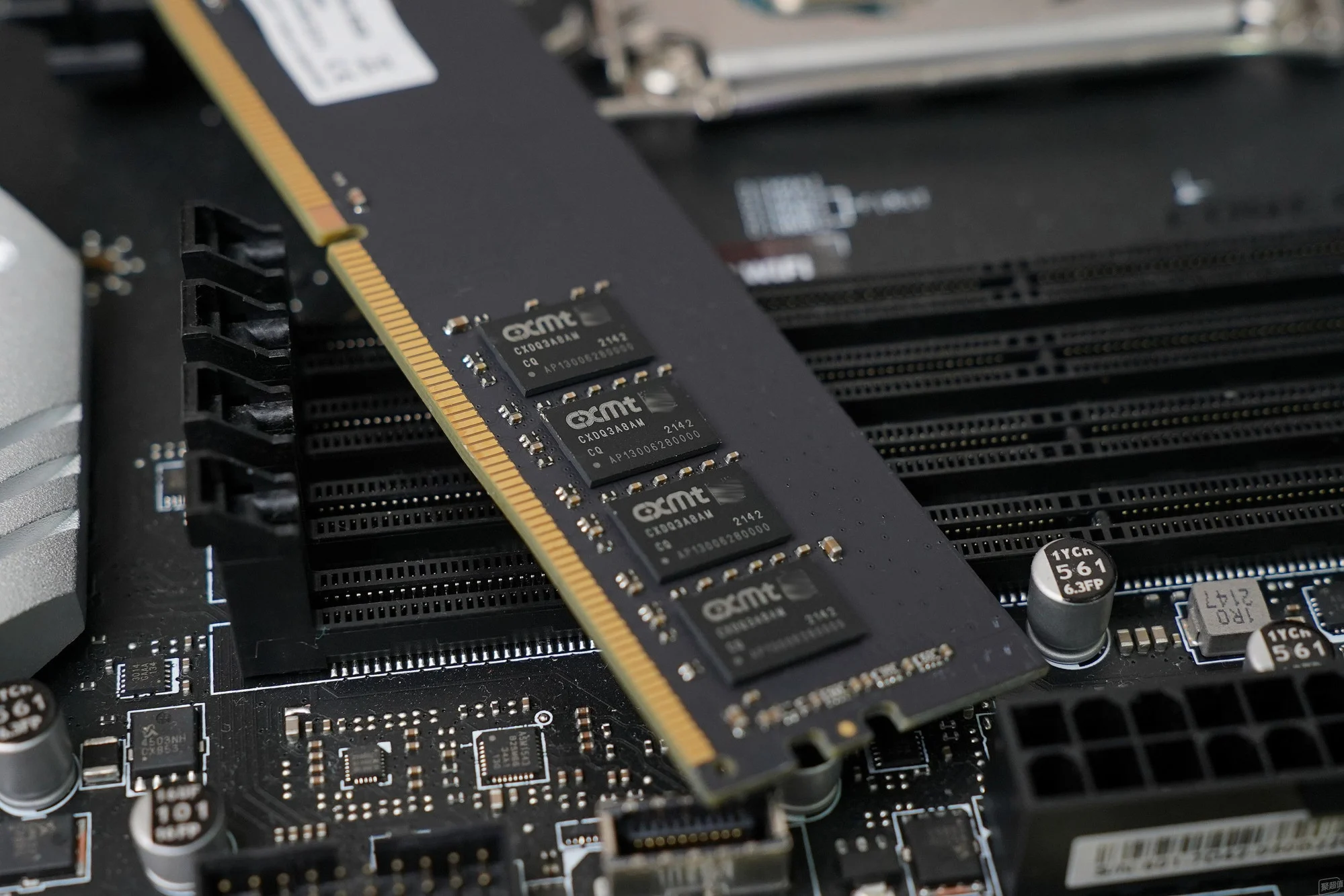
Google is reportedly evaluating memory chips from China’s CXMT as the global DRAM market faces rising pressure from AI demand. The claim is still a rumor, but if true, it would show how seriously large technology companies are looking for alternatives to the dominant memory suppliers Samsung, SK Hynix, and Micron.
The report does not confirm which Google products would use CXMT memory. Possible targets could include Pixel phones, Google Cloud hardware, or future TPU AI accelerators. The TPU option appears more likely in the report because Google is expected to need large volumes of memory for next generation AI chips over the next few years.
The rumor arrives at a time when memory prices are rising and supply is becoming harder to secure. AI servers need huge amounts of DRAM and HBM, and that demand is forcing device makers, cloud companies, and chip designers to search for more supply wherever they can find it.
Why Google may want another memory supplier
Google already depends heavily on advanced chips for its search, cloud, AI, and consumer products. Its Tensor Processing Units, or TPUs, are central to that strategy because they help power AI workloads inside Google’s infrastructure.
If Google plans to build millions of future TPUs, memory supply becomes a major issue. The biggest DRAM makers are already under pressure from demand for AI accelerators, servers, smartphones, PCs, and data centers. Adding another supplier could give Google more flexibility.
| Company | Role in memory market |
|---|---|
| Samsung | One of the biggest DRAM and HBM suppliers |
| SK Hynix | Major HBM leader for AI chips |
| Micron | Key US based DRAM supplier |
| CXMT | China based DRAM maker expanding capacity |
| Potential buyer looking for supply options |
Using CXMT memory would not necessarily mean Google is replacing existing suppliers. It could simply be a hedge against shortages, price hikes, and supply concentration.
CXMT is expanding at an important moment
CXMT has been growing quickly as China tries to build a stronger domestic memory industry. The company is reportedly preparing for an IPO and expanding production capacity from around 200,000 wafers per month to roughly 300,000 wafers per month by the end of this year.
That expansion matters because memory demand is no longer driven only by phones and PCs. AI has become a major force in the DRAM market, and companies that can add capacity may become more attractive to large buyers.
For Google, even a limited deal with CXMT could help reduce exposure to the so called Big 3 memory suppliers. For CXMT, a relationship with Google would be a major credibility boost, especially if the chips are used in advanced AI hardware.
The cloud angle could bring more scrutiny
The most sensitive question is where Google would use Chinese DRAM if a deal happens. Pixel phones would be the least controversial in some ways, but the volumes may be too small to explain the interest.
Google Cloud would be much more sensitive because cloud infrastructure can involve enterprise customers, government workloads, and security reviews. Using Chinese memory in that environment could attract regulatory and political attention.
That is why TPUs are being discussed as a more likely target. They require large memory volumes, and Google controls the full stack more closely. Even then, any major procurement from CXMT would likely be watched closely because of US China technology tensions.
Memory shortages are forcing companies to rethink supply chains
The report fits a broader pattern in the tech industry. Apple has already warned that memory prices have become difficult to absorb, and other hardware makers are also facing higher RAM and storage costs.
AI is one of the biggest reasons. HBM demand for AI accelerators is pulling capacity and investment toward high margin data center memory. That can affect the availability and pricing of other DRAM products as well.
When supply is tight, large companies do not want to depend too much on a small group of suppliers. Even companies with strong purchasing power may need to explore new sources to control costs and secure enough chips for future products.
The rumor should still be treated carefully
This report is not a confirmed Google announcement. It is based on social media claims and market speculation, so it should be treated cautiously until Google, CXMT, or a major supply chain source provides clearer confirmation.
There are also many unanswered questions. It is not clear what type of DRAM Google might buy, how much it would order, what product line would use it, or whether the deal would survive political and security review.
Still, the rumor is important because it reflects the current state of the memory market. AI demand is pushing companies to look beyond traditional suppliers, and even a possible Google CXMT deal is enough to get attention.
If Google does move forward, it could signal a larger shift in the memory industry. CXMT would gain a stronger place in global supply discussions, and other major buyers may start evaluating similar options. For now, it remains an unconfirmed but notable sign of how tight and strategic the DRAM market has become.

Discussion (0)
Be the first to comment.