



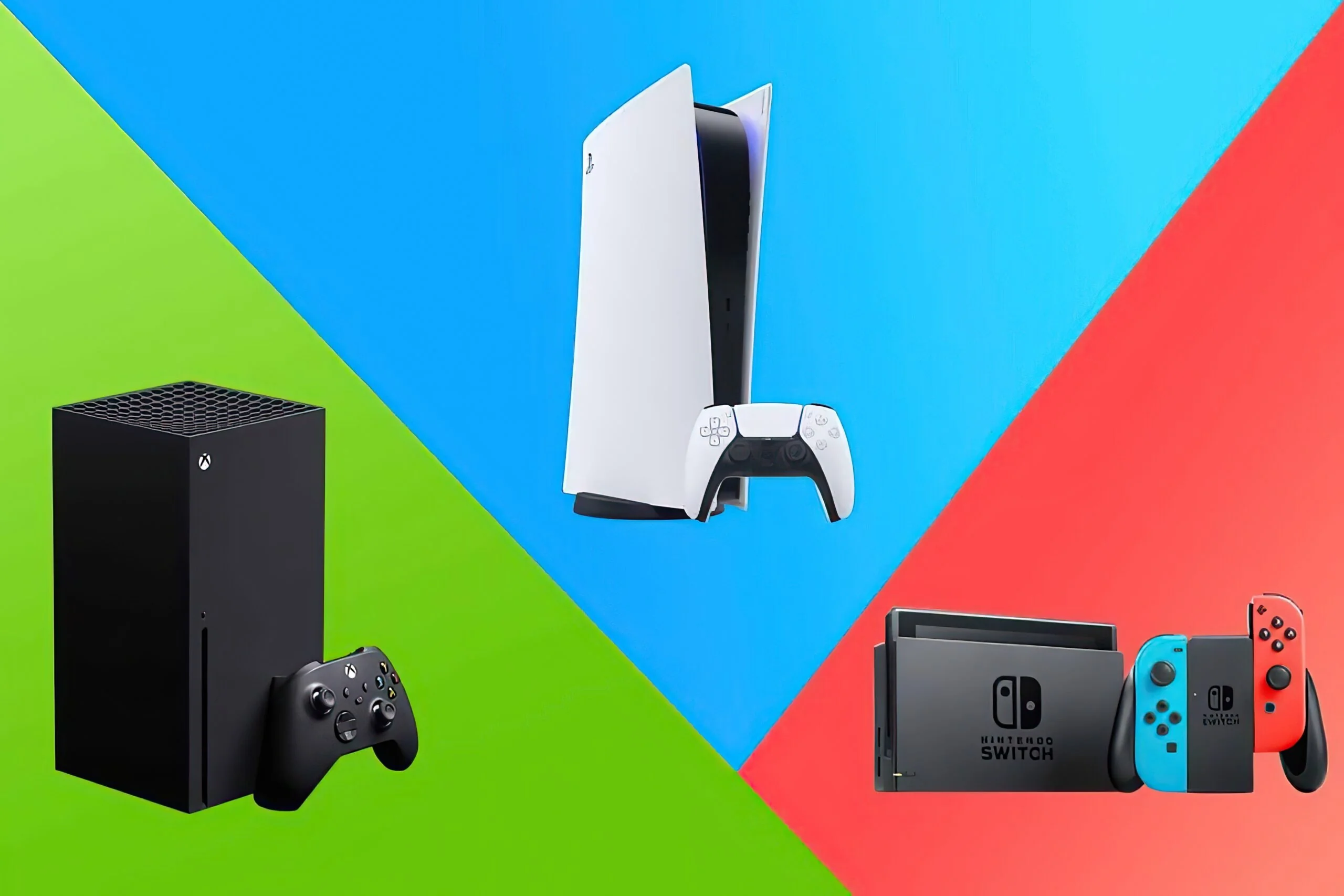
Xbox has spent years trying to grow its presence in Japan, but a new comment from a Japanese developer highlights a more basic problem: hardware availability.
A developer behind Sakuna: Of Rice and Ruin recently explained why their game is not coming to Xbox, and the answer was not just about resources. They said the console is “not even stocked in major retail stores” in Japan, making it harder to justify supporting the platform.
Even interested developers say Xbox is hard to support in Japan
The developer made it clear that this was not about dislike for Xbox. In fact, they mentioned having a strong personal attachment to the platform. The issue is practical.
With limited manpower, smaller studios have to choose where to spend time and money. If a platform has low visibility or availability, it becomes difficult to prioritize—even if there is interest.
This creates a cycle:
- Fewer consoles available → fewer players
- Fewer players → fewer games
- Fewer games → even less incentive to support the platform
| Problem area | Impact on developers |
|---|---|
| Limited retail presence | Harder to justify development resources |
| Smaller player base | Lower potential sales |
| Platform prioritization | Studios focus on PlayStation, Switch, or PC instead |
| Resource constraints | Indie teams cannot support every platform |
Xbox has tried to grow in Japan, but hardware still matters
Microsoft has made multiple efforts to improve its position in Japan. These include:
- Expanding ID@Xbox support
- Hiring for regional publishing roles
- Promoting Xbox Game Pass
But these efforts mainly focus on software and services. The developer’s comment highlights that hardware visibility still plays a major role.
If consoles are not widely available in stores, it becomes harder to build a strong local audience. That affects everything from player awareness to developer support.
Future plans like Project Helix could change the strategy
There may be a longer-term shift coming. Reports suggest Xbox’s next-generation plans, including Project Helix, could move toward a hybrid console-PC approach.
If that happens, it could reduce reliance on traditional console sales. A system that supports broader PC ecosystems or storefronts might make it easier for developers to reach Xbox users without needing a large console install base.
However, that is still a future possibility. Right now, the problem appears more immediate.
The bigger takeaway: Xbox’s challenge is not just games, it is presence
The most important part of this story is how simple the issue sounds. It is not about advanced features, AI tools, or cloud gaming.
It is about whether people can easily buy the console in the first place.
For Xbox, improving developer tools and services is important, but this comment shows that basic market presence still matters. Without stronger hardware availability in regions like Japan, it may remain difficult to convince smaller studios to support the platform consistently.
In short, Xbox’s Japan strategy may need more than software improvements. It may need a stronger physical footprint if it wants to compete long-term in that market.
Discussion (0)
Be the first to comment.