



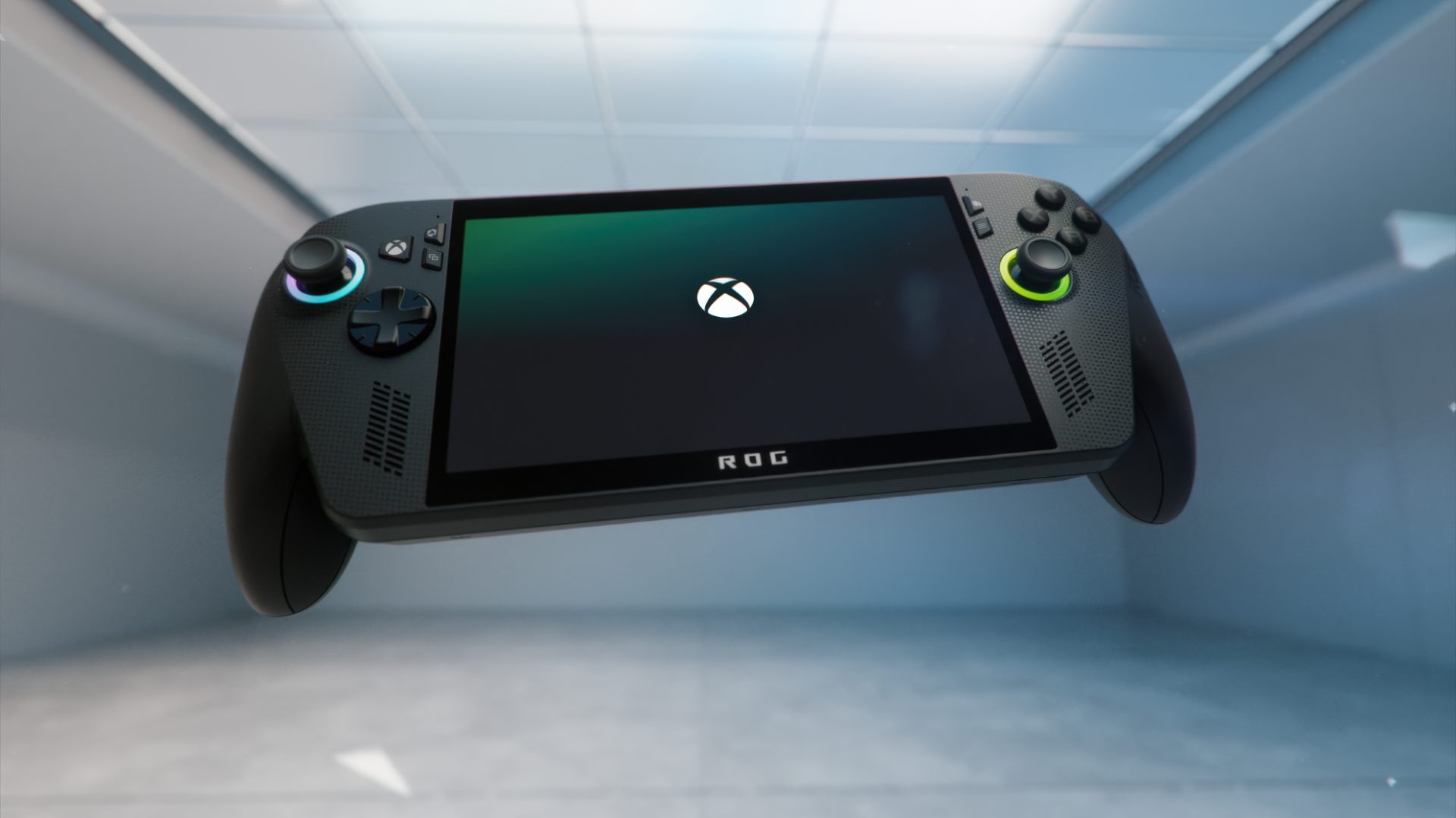
Microsoft may be working on a new Xbox initiative designed to improve battery life on Windows gaming handhelds.
The project is reportedly called Project Green Leaf, and it focuses on reducing power use through developer controlled performance profiles. Instead of building a dedicated Xbox handheld, Microsoft appears to be trying to improve the wider Windows handheld ecosystem, including devices such as the ROG Ally and similar PC gaming handhelds.
The main idea is to give developers new tools inside the Xbox GDK. These tools would let games lower power use during moments that do not need full performance, such as menus, lobbies, loading areas, or simpler scenes.
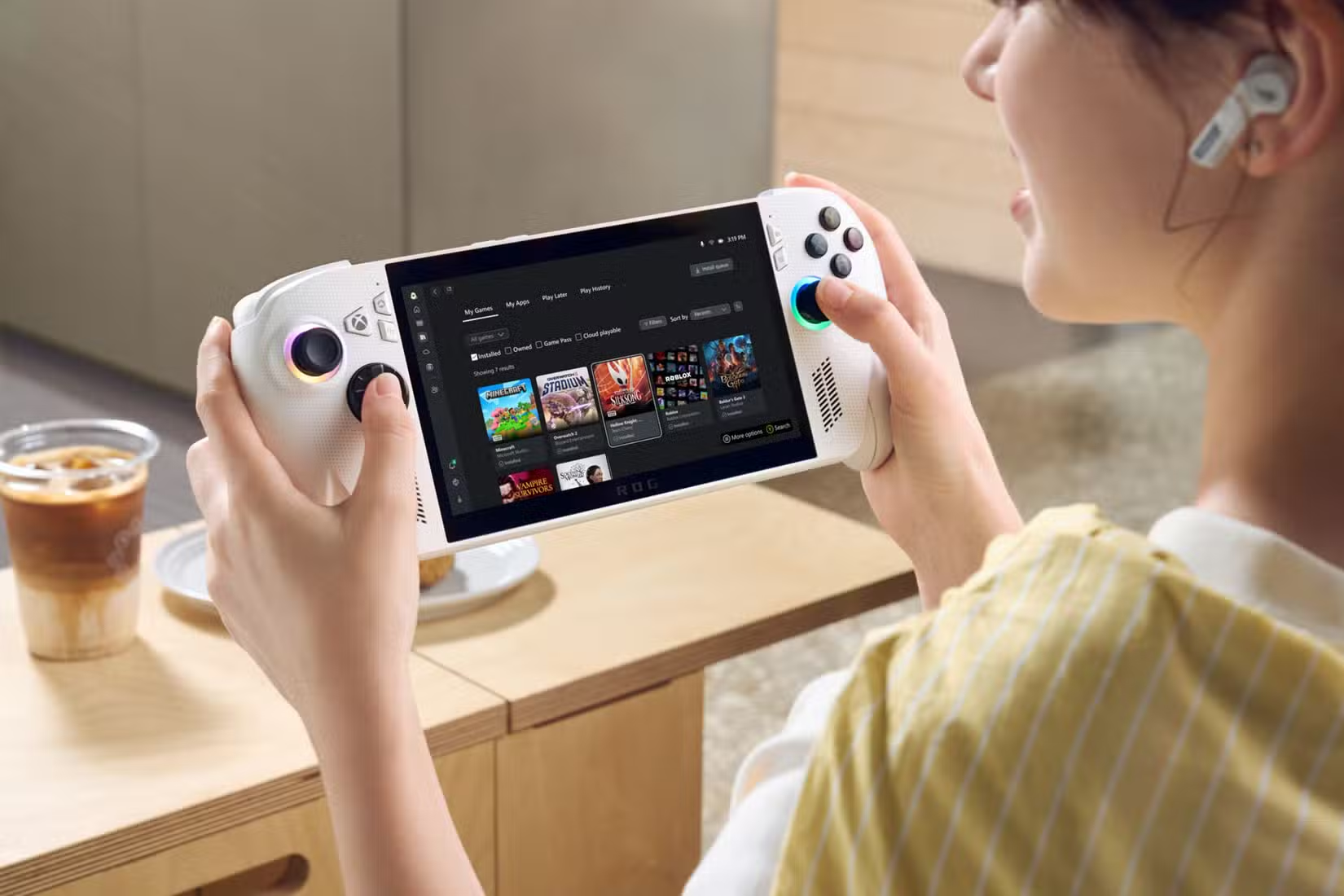
Two profiles are reportedly part of the plan: Power Optimized and Power Optimized Plus. These are not normal system presets. Developers would need to support them directly by adding things like resolution scaling, frame rate caps, or other performance adjustments during lower intensity parts of a game.
Early internal tests reportedly showed power savings of up to 30 percent in some games, including Fortnite. That could be meaningful for handheld PCs, where battery life is often one of the biggest weaknesses compared with devices such as the Steam Deck.
| Feature | What it means |
|---|---|
| Project name | Project Green Leaf |
| Main goal | Improve battery life on Windows handhelds |
| Target devices | Windows based gaming handhelds |
| Reported profiles | Power Optimized and Power Optimized Plus |
| Developer role | Games must support power saving behavior |
| Reported benefit | Up to 30 percent lower power use in some tests |
| Possible rollout | May or June 2026 |
The approach is different from a simple hardware level power saver. Microsoft seems to want developers to decide where performance can be reduced without hurting the feel of the game. That could help maintain perceived quality while still extending play time.
This also suggests Microsoft has not moved away from handheld gaming, even if reports say its dedicated Xbox handheld was canceled. Instead, the company may be trying to make Windows handhelds better as part of the Xbox ecosystem.
That makes sense. Windows handhelds can run more PC games than a closed console style device, but they often struggle with battery life, sleep behavior, interface friction, and inconsistent performance. Project Green Leaf would not fix all of those problems, but it could address one of the most important ones.
The key question is adoption. If only a few developers use the new profiles, the impact will be limited. But if Microsoft makes the tools easy to implement and ties them closely to Xbox handheld branding, Project Green Leaf could become a useful step toward better portable PC gaming.
Discussion (0)
Be the first to comment.