



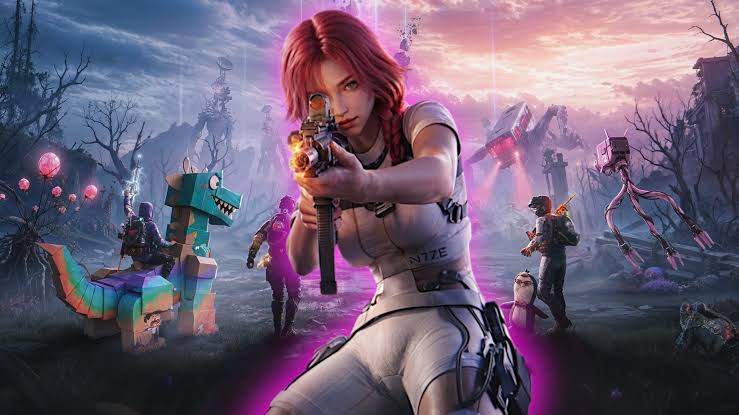
Xbox is facing a deeper challenge than layoffs, rising hardware prices, or changes to its studio structure. Microsoft still needs to explain where meaningful long term growth will come from as traditional gaming platforms compete for the attention of a largely established audience.
Xbox, PlayStation, Nintendo, and PC stores continue to serve millions of players, but much of their business depends on selling more products and services to people who are already part of the market. Subscription price increases, premium editions, downloadable content, and more expensive hardware can raise revenue in the short term, but they do not necessarily bring new people into the ecosystem.
The problem is especially important for Xbox because services such as Game Pass, cloud gaming, and gaming handhelds appear to attract many existing Xbox customers. These products can improve convenience and engagement, but their ability to create a large new audience remains uncertain.
Recent cost reductions may help Microsoft manage expenses, but they do not answer the larger question of how Xbox can reach younger players who spend more time on social and creator driven platforms.
Younger players are building communities inside games
Many younger players no longer treat games as separate products that they open only to complete missions or follow a story. Platforms such as Roblox combine games, social interaction, user created content, live events, and digital identity within one connected environment.
For this audience, spending time with friends can be more important than technical performance or cinematic presentation. A simple game that supports communication, creation, and frequent changes may hold attention longer than an expensive release that receives a major update every several months.
Traditional games also take longer to develop. Large projects can remain in production for five or more years, making it difficult to respond to rapidly changing interests. By the time a game reaches the market, younger audiences may have moved toward different formats, creators, or social spaces.
| Xbox challenge | Why it matters |
|---|---|
| Limited new audience growth | Existing customers cannot support endless expansion |
| Long development cycles | Games struggle to react quickly to changing interests |
| Weak social identity | Xbox lacks a major culture driven community platform |
| Rising hardware costs | Higher prices make entry more difficult |
| Dependence on established franchises | Familiar brands may not attract younger players |
| Existing customer overlap | Cloud and handheld products may mostly serve current Xbox owners |
Minecraft could become a larger part of Xbox’s social strategy
Microsoft already owns one of the strongest tools for reaching younger players. Minecraft has a huge global audience, supports creative play, and encourages communities to build their own experiences.
However, Minecraft has often operated separately from the wider Xbox identity. It is available across competing platforms and has its own culture, marketplace, servers, creators, and events.
That independence has helped Minecraft remain successful, but Microsoft may now look for ways to use its reach more effectively. This does not require turning Minecraft into an advertisement for Xbox. A better approach would be to connect creation, community, discovery, and communication across Microsoft’s gaming services without limiting the game’s broad availability.
Minecraft could also help Xbox understand what younger players value. They often want tools to build, share, watch, communicate, and participate rather than simply purchase a finished experience.
Any expansion would need careful safety systems, moderation, parental controls, and clear rules for creators. Social platforms bring major risks alongside their growth opportunities, especially when children form a large part of the audience.
Xbox must improve its core business while building something new
Xbox cannot ignore its established audience while pursuing younger players. Console owners still expect reliable hardware, strong first party games, clear communication, and stable services.
Microsoft therefore has two different tasks. It must rebuild confidence among existing customers while developing new ideas that can attract people who do not currently identify with Xbox.
That balance will be difficult. A social gaming strategy could take years to produce results, while investors and senior leadership may continue demanding faster financial improvements. Price increases and staff reductions can provide temporary relief, but excessive cuts may reduce the talent needed to create future growth.
The company also needs to avoid copying Roblox without understanding why it works. Its success comes from accessible creation tools, social relationships, constant experimentation, and a large community that produces its own content. Adding a chat window or user generated levels to an Xbox service would not create the same result.
Xbox needs a platform with its own identity, supported by games and communities that people choose to visit regularly. That may involve Minecraft, creator tools, mobile access, cloud technology, or a new social layer connecting several Microsoft properties.
The next stage of Xbox will depend less on selling another console to an existing customer and more on giving new audiences a reason to join. Layoffs and higher prices cannot deliver that growth. Microsoft will need patience, clearer product thinking, and a willingness to build gaming experiences that feel culturally relevant rather than simply technically capable.



Discussion (0)
Be the first to comment.