


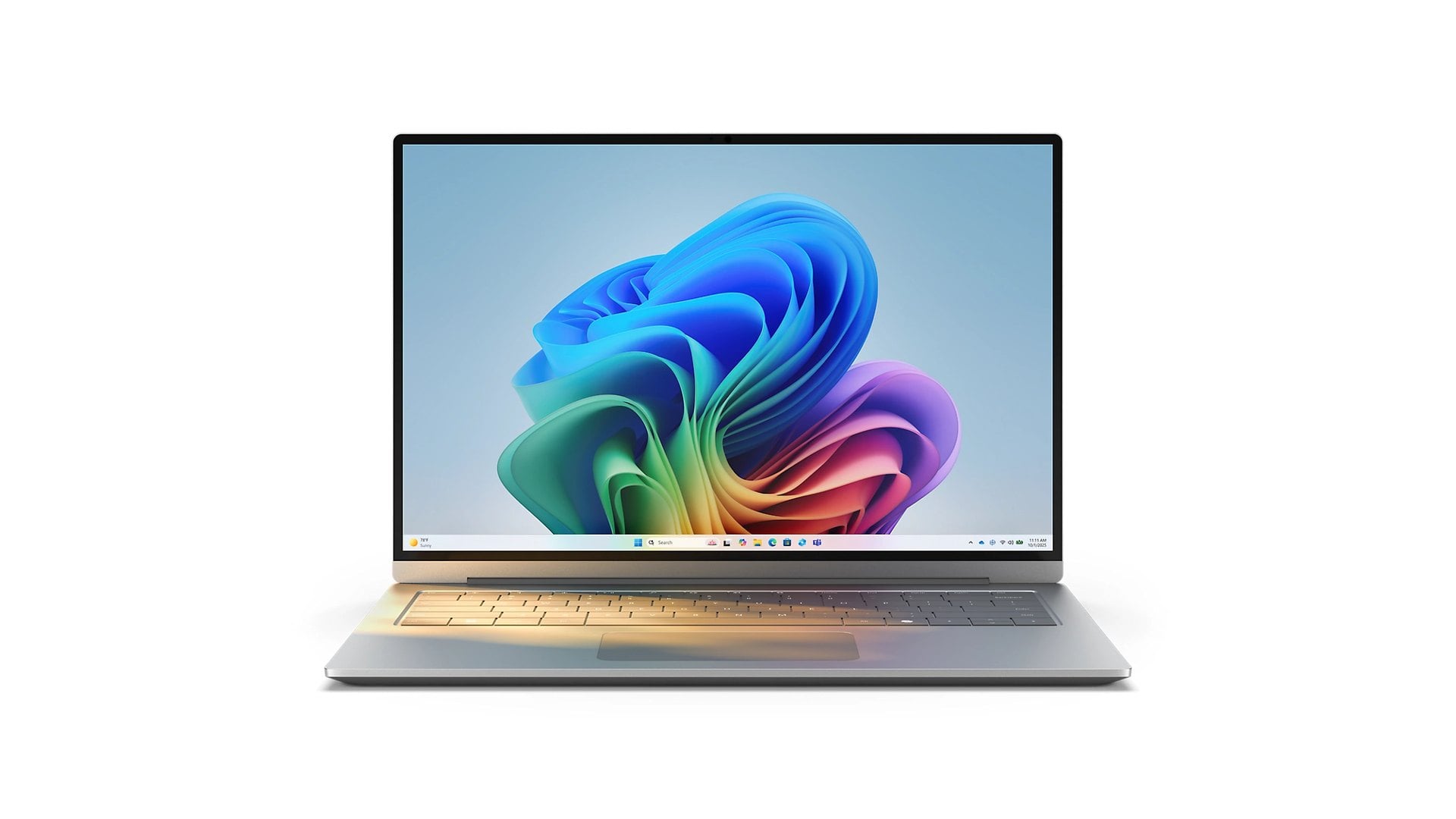
Windows 11 version 26H2 is now available for all eligible devices, according to a status note Microsoft dated October 28. That ends a staged rollout the company started on September 29 and said would widen "over the next few months".
The gap between those two dates is 29 days. Microsoft's annual Windows 11 release went from a seekers-only trickle to every machine that qualifies inside a single month.
The word doing the work there is "eligible". It is a software test rather than a hardware one, and a PC that fails it never sees the update appear at all.
How the 26H2 rollout actually ran
Microsoft announced 26H2 on September 29 and offered it first to a narrow group. Only devices on version 25H2 or 24H2 that had already switched on "Get the latest updates as soon as they're available" were served.
Everyone else waited while the net widened. The same code had reached the Release Preview channel at the end of August.
Microsoft's release health page for 26H2 now recommends the update and points to Settings, then Windows Update, then Check for Windows updates.
Eligible means version 24H2 or 25H2, not new hardware
Microsoft publishes one set of minimum hardware requirements for Windows 11 and has not revised it for 26H2. That page was last updated on July 21, more than two months before 26H2 shipped.
It still asks for a 1GHz dual-core 64-bit processor from Microsoft's compatibility list, 4GB of memory and 64GB of storage. It also requires UEFI firmware that is Secure Boot capable, TPM 2.0, a DirectX 12 graphics card with a WDDM 2.0 driver and a 720p display larger than 9 inches.
None of those numbers moved for the 2026 Update. Version 26H2 arrives as a small enablement package that installs only on PCs already running version 24H2 or 25H2, with the September 22 preview update or later already applied.
A machine on one of those versions has, by definition, already cleared the hardware bar. Eligibility here is about which version a PC runs and how current it is, not about its silicon.
Why an eligible PC might still not be offered it
Microsoft can block an individual machine with a safeguard hold. A hold stops a device with a known issue from being offered a new feature update, and both release health pages link to KB5006965 for it.
A held PC gets no error. Windows Update instead shows a coming soon upgrade message saying nothing requires attention at the moment, next to a Learn More link.
Selecting Learn More opens a personalised summary of any holds affecting that specific device, naming the known issue that is blocking it. Microsoft documents no way to read the hold from the PC itself, so that link is the only check it publishes.
What 26H2 adds over 25H2
Less than the new version number suggests. Microsoft's own documentation says 26H2, 25H2 and 24H2 share a common servicing branch, and that many features people associate with 26H2 arrived earlier through monthly updates.
The list of things 26H2 itself switches on runs to three items, all aimed at managed business PCs. They are Windows settings backup, app-specific actions on the taskbar and a set of File Explorer changes, each previously held behind temporary commercial controls.
One thing goes. The Windows Management Instrumentation command-line tool, WMIC, is removed and is no longer offered as a Feature on Demand.
The build numbers show the shared branch plainly. October's KB5127936 produced build 26300.9818 on 26H2 and 26200.9818 on 25H2 the same day, the same revision from the same package. Separate features in that October update shipped to 25H2 as well.
The support clock, and one issue still open
Resetting the support clock is the substantive reason to take 26H2. Microsoft's release information page ends updates for 26H2 on October 10, 2028 for Home and Pro, and on October 9, 2029 for Enterprise and Education.
A Home or Pro PC left on 25H2 stops receiving updates on October 12, 2027, so moving up buys just under a year. A 24H2 Home or Pro machine stopped receiving them on October 13 this year.
One known issue logged against 26H2 is still unresolved. USB Audio Class 1.0 devices can fail to start or produce no sound, and Microsoft has left that entry at mitigated rather than resolved since September 29.
No target date is published for the fix, only that one is planned for a future update. Microsoft also does not say how many PCs safeguard holds are keeping back right now, and its enablement package article names only 24H2 and 25H2 as starting points. It says nothing about machines on 26H1, a version Microsoft scopes to new 2026 hardware rather than to existing PCs.
Discussion (0)
Be the first to comment.