




Even though your Samsung Galaxy smartphone may say “Designed in Korea,” the actual manufacturing spans several countries. At the time of writing, the bulk of global production occurs outside South Korea, reflecting cost, logistics, and supply‑chain decisions. This article maps the major manufacturing hubs, explains how the process works from component sourcing to final assembly, and outlines what it means for buyers.
Vietnam: The Primary Hub
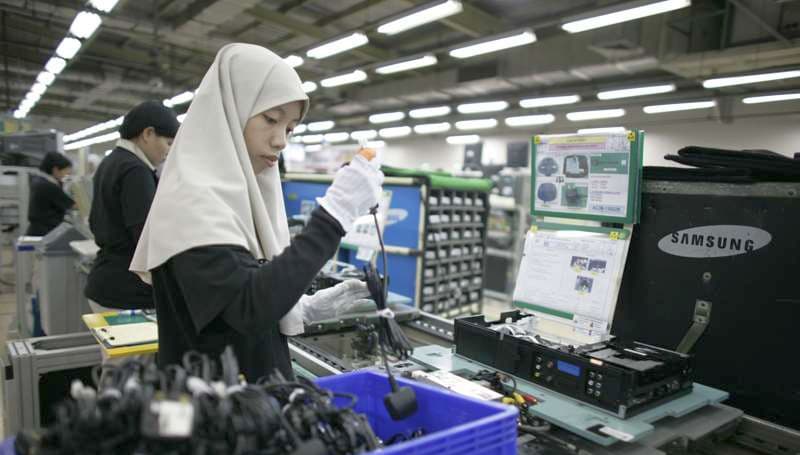
Most Galaxy devices sold globally are produced in Vietnam. According to recent reports, production in the Thai Nguyen province alone exceeds 100 million units annually of smartphones, tablets, and wearables. Vietnam offers a large skilled workforce, favourable investment terms, and proximity to key component suppliers, which help Samsung meet global demand efficiently.
India: Fast‑Growing Production Site
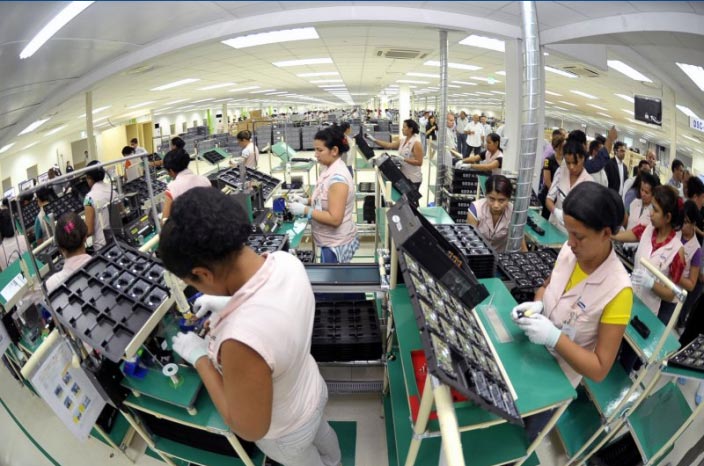
India has become a key manufacturing base for Samsung’s smartphones, serving both the domestic market and exports. These local facilities support the “Make in India” initiative and allow shorter logistics and local adaptation.
South Korea: Innovation & High‑Value Manufacturing

While most volume production happens elsewhere, South Korea remains a strategic location for high‑end assembly, R&D, and component manufacture for Samsung.
China & Others: Niche and Legacy Sites
Samsung maintains factories in China and other Asian countries, though its share of global production has declined as Samsung shifts to lower‑cost regions.
How the Manufacturing Process Works
- Component sourcing: Samsung draws on a global network of suppliers for chips, displays, cameras, and more.
- Automated assembly: Boards are populated with components using automated lines, soldered, and tested.
- Final assembly: Modules, housing, battery, and software are integrated, and devices go through quality control.
- Regional adaptation: Some units receive localised hardware or software tailored to the destination market.
- Distribution: Finished units are boxed and shipped worldwide; manufacturing location can depend on the target market and logistics.
Why Production Location Varies
Manufacturing location depends on multiple factors:
- Labour cost and availability: A lower cost base in Vietnam or India improves margins.
- Logistics & trade agreement: Factories closer to component suppliers or key markets reduce shipping time and costs.
- Local incentives: Governments offering tax breaks or investment support attract facilities.
- Supply‑chain resilience: Diversifying locations helps mitigate disruption (natural disasters, trade tensions).
Troubleshooting Common Misconceptions
- Misconception: “Made in Korea” means the device was assembled entirely in South Korea. In reality, many Galaxy models are constructed in Vietnam or India.
- Misconception: All components are local. Even when final assembly occurs in one country, parts may come from dozens of countries worldwide.
- Misconception: Manufacturing location affects quality. Samsung applies uniform quality‑control standards across sites, so most users can expect consistent performance regardless of where the phone was assembled.
Tips for Consumers
- Check the “Made in” label if it matters for warranty or repair logistics.
- If you buy a phone imported from another country, be aware of the differences in warranty coverage.
- Understanding manufacturing location helps when assessing shipping times, import duties or local support.
FAQ
Where is my specific Galaxy phone made?
Look at the label on the box or device. “Made in Vietnam” covers most global‑market units; “Made in India” often appears in phones sold within or exported from India.
Does manufacturing location affect resale value?
Resale value depends mostly on model, condition and market demand rather than assembly country—though local repair support might vary.
Are phones assembled in South Korea only for Korea?
Not necessarily, but South Korean plants tend to focus on premium models and local consumers. Bulk global manufacturing happens elsewhere.
Does Samsung plan to shift more manufacturing to other countries?
Samsung continues to evaluate global manufacturing locations based on cost, logistics and trade policies. Vietnam remains dominant, but newer markets may grow.
Summary
- Vietnam hosts the lion’s share of Galaxy smartphone production.
- India is growing rapidly as a manufacturing base for Samsung.
- South Korea still plays a key role in innovation and premium manufacturing.
- Manufacturing location varies due to labour cost, logistics, supply‑chain strategy and market targeting.
- Quality control is consistent across sites, so assembly country rarely impacts performance.
Conclusion
Your Samsung Galaxy device likely passed through an assembly line in Vietnam or India, even though the brand originates in South Korea. Understanding where these phones are made gives insight into how global manufacturing and supply chains work. Whether you prioritise local support, warranty or shipping speed, checking the “Made in” label tells part of the story—but it doesn’t reflect quality.



Discussion (0)
Be the first to comment.