




If you have ever seen ultra-detailed minis, dental models, or tiny engineering parts and wondered how they were made, you have probably seen the results of an SLA 3D printer. Understanding what an SLA 3D printer is helps you decide when resin 3D printing makes more sense than a basic filament machine.
This guide explains what an SLA 3D printer is, how stereolithography works, where it beats FDM, and what to check before you buy your first resin 3D printer.
What Is An SLA 3D Printer?
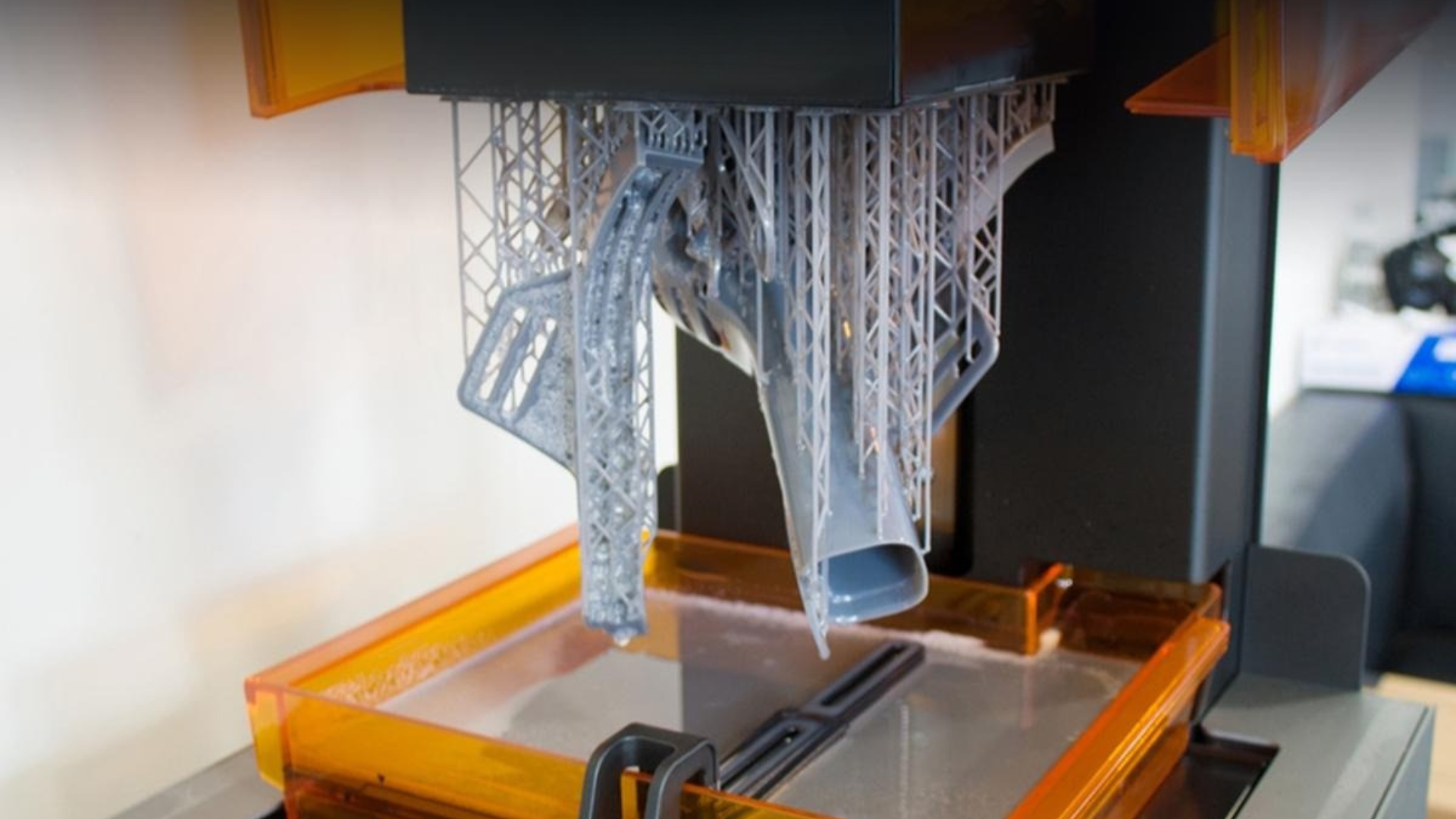
An SLA 3D printer, short for Stereolithography 3D printer, is a resin 3D printer that uses a focused ultraviolet laser to cure liquid photopolymer resin into solid plastic. The printer builds the model layer by layer, following a sliced version of your 3D file.
Because the laser can draw extremely fine features, SLA 3D printing delivers smooth surfaces, sharp edges, and very small text or details that are hard to get from many FDM printers. That makes an SLA 3D printer a popular choice for miniatures, jewelry masters, dental applications, and high-detail engineering prototypes.
How SLA 3D Printers Work
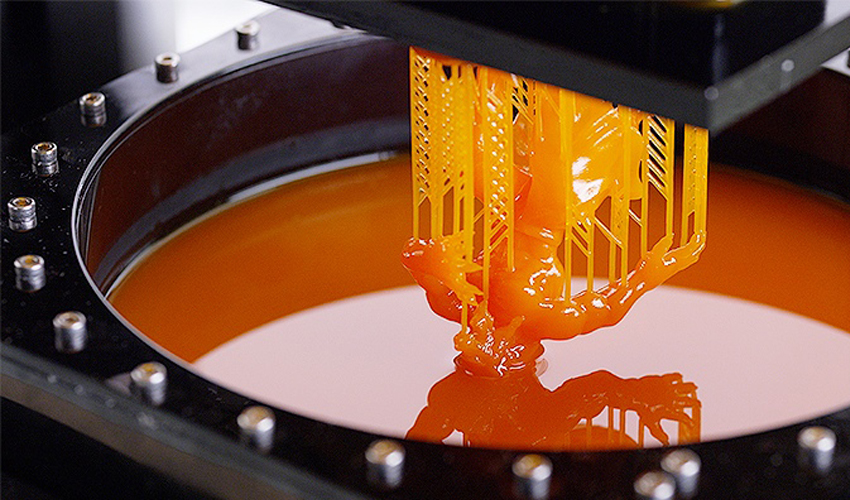
All stereolithography printers follow the same basic SLA 3D printing workflow, even though layouts and branding differ between models.
Here is the simplified process for how an SLA 3D printer works:
- You prepare a 3D CAD model, then slice it into thin layers using resin-printing software.
- You pour liquid photopolymer resin into the printer’s vat up to the marked fill line.
- The build platform lowers until it sits just above the transparent window at the bottom of the resin vat.
- The UV laser traces the first layer, curing the resin wherever the beam hits.
- The platform lifts slightly so fresh resin can flow under the printed layer.
- The laser cures the next layer, bonding it to the previous layer.
- The printer repeats this cycle until the entire part is built upside down on the build plate.
- You remove the part, rinse off excess resin, and post-cure it under UV light for full strength.
This vat photopolymerization process allows SLA printers to produce very accurate parts with tight tolerances compared to many entry-level 3D printers.
Key Components Inside An SLA 3D Printer
Even compact desktop SLA 3D printers share the same core hardware. Understanding these parts makes it easier to compare different stereolithography 3D printers.
- Resin Vat: A shallow tank that holds the liquid photopolymer. A clear bottom window lets UV light pass through.
- Build Platform: The metal plate that lifts the printed part out of the resin as each layer cures.
- UV Laser And Galvo System: The laser provides the energy to cure resin, while tiny mirrors steer the beam to draw each layer.
- Control Board: This electronics board coordinates motor motion, laser timing, and communication with your computer or Wi-Fi network.
- Resin: A light-sensitive liquid plastic. Different SLA resins mimic standard plastic, flexible rubber, castable wax, or high-temperature engineering materials.
Advantages Of SLA 3D Printing
SLA 3D printers bring several advantages over basic filament machines and some other resin technologies.
- High Detail and Accuracy: The narrow laser spot and thin layer heights allow fine features, smooth curves, and sharp corners ideal for miniatures and dental work.
- Excellent Surface Finish: SLA parts often come off the printer with a smooth, injection-molded look, reducing sanding and finishing work.
- Material Variety: Modern SLA 3D printing resins include standard, tough, flexible, transparent, and biocompatible options, so you can match properties to your project.
- Watertight And Functional Parts: Because layers fuse tightly, SLA parts are often more watertight and isotropic than many FDM prints, which helps for fluid channels and functional prototypes.
- Great For Small Batches: When you need a short run of detailed parts, an SLA 3D printer can be faster and cheaper than machining custom molds.
Limitations Of SLA 3D Printers
Resin 3D printers are not perfect for every job. Knowing the downsides of SLA 3D printing helps you avoid surprises.
- Mess and Safety: Liquid resin can irritate skin and eyes, so you need gloves, good ventilation, and careful cleanup.
- Post Processing Required: Parts must be washed in solvent and cured under UV light. Some projects also need sanding and support removal.
- Smaller Build Volumes: Many consumer SLA 3D printers have smaller build areas than large FDM machines, so oversized parts may need to be split.
- Resin Cost and Shelf Life: SLA resins usually cost more per liter than filament and can expire if stored poorly.
- Mechanical Limits: Standard resins stay more brittle than many engineering filaments. For high-impact parts, you may still prefer reinforced FDM or SLS.
Common Uses For SLA 3D Printers
SLA 3D printing shows up anywhere fine detail and smooth surfaces matter more than raw toughness.
- Tabletop Miniatures And Models: Hobbyists use resin 3D printers to produce sharp miniatures, terrain pieces, and display models with crisp features.
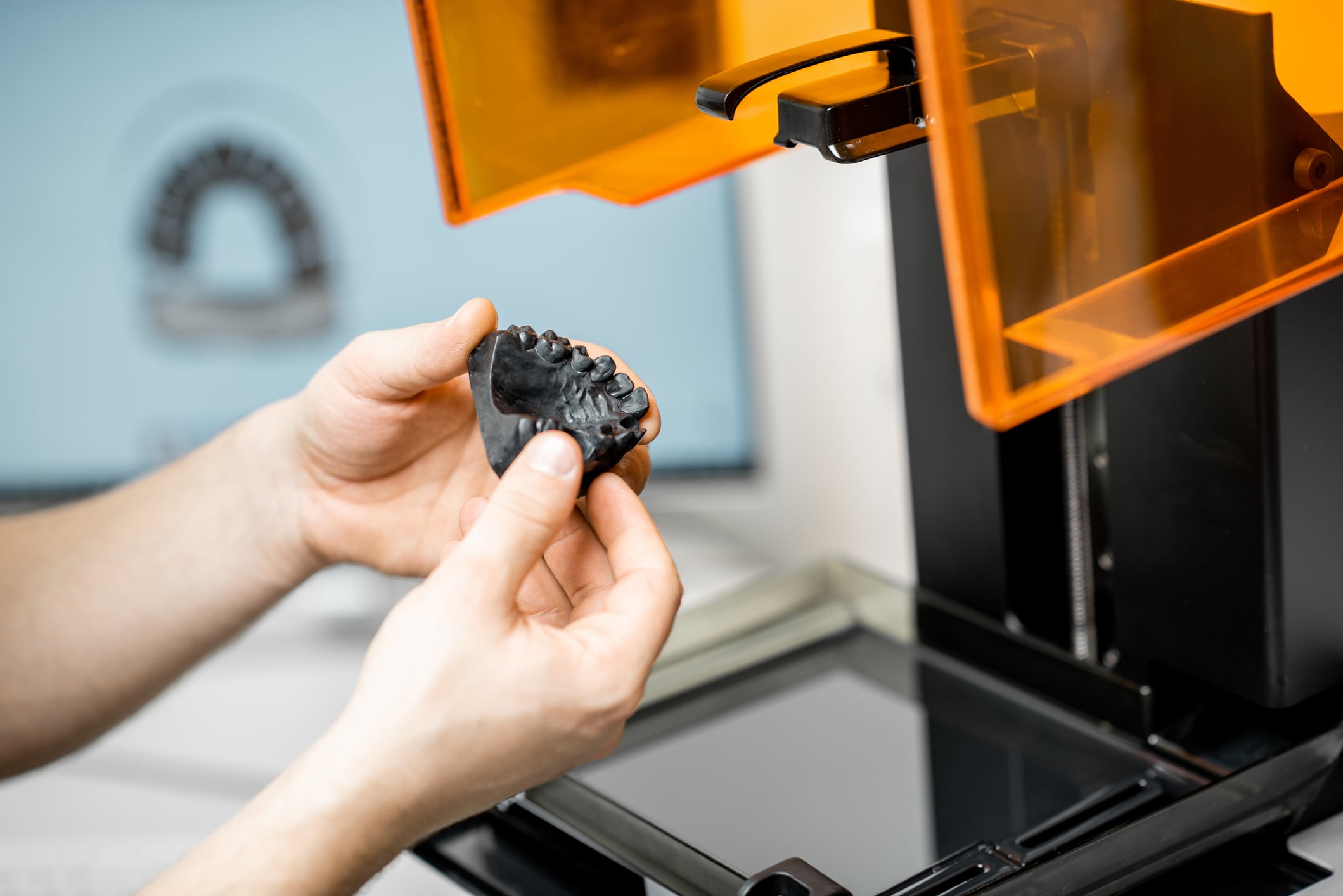
- Dental and Medical Models: Labs print aligner models, surgical guides, and anatomical models with specialized biocompatible SLA resins.
- Jewelry and Casting: Castable resins let designers print masters for investment casting, replacing hand-carved wax.
- Product Design Prototypes: Engineers use stereolithography 3D printers to test fit, form, and fluid channels before committing to tooling.
- Custom Enclosures And Small Parts: Makers print custom brackets, sensor housings, and intricate mechanisms that are hard to machine.
SLA 3D Printers Vs Other 3D Printing Technologies
When you compare an SLA 3D printer to FDM, DLP, or LCD resin printers, a few practical differences stand out.
- SLA Vs FDM: FDM printers melt plastic filament, so they are cheaper to run and better for larger, tougher parts. SLA wins on detail, smoothness, and small features.
- SLA Vs LCD or DLP Resin Printers: DLP and LCD printers cure an entire layer at once using a projector or screen, which can be faster for many small parts. Classic laser SLA often offers very high accuracy and smooth surfaces, but may print more slowly.
- SLA Vs SLS: Selective laser sintering fuses nylon powder and works well for durable, complex mechanical parts. It needs expensive hardware, so SLA 3D printers remain the more accessible option for offices and hobby spaces.
How To Choose An SLA 3D Printer
Before you pick a specific resin 3D printer, think about how you plan to use stereolithography in your workflow.
- Check the build volume to ensure it fits your typical part size and number of parts per job.
- Look at XY resolution and minimum layer height if you care about tiny text, miniatures, or high precision prototypes.
- Confirm which SLA 3D printing resins the printer supports, including standard, tough, flexible, castable, or biocompatible options.
- Consider the software ecosystem, including slicer features, preset profiles, and remote monitoring tools.
- Review total operating cost, including resin price, replacement vats, FEP films, and consumables.
- Read real user reviews about reliability, customer support, and long-term maintenance.
If you mainly print small, detailed parts, a compact desktop SLA printer with high resolution may be enough. For frequent production runs or professional labs, a larger industrial resin 3D printer with automated workflows can save time.
Conclusion
So what is an SLA 3D printer? In simple terms, it is a stereolithography machine that uses a UV laser to turn liquid resin into solid parts with excellent detail and surface quality. SLA 3D printing shines when you need smooth, accurate, and intricate parts that look close to production plastic.
Resin printers demand more care, safety, and cleanup than basic filament machines, but they unlock designs that FDM struggles to match. If your projects focus on miniatures, dental models, jewelry, or high-detail prototypes, adding an SLA 3D printer to your toolkit can transform what you can make at your desk or in your workshop.


Discussion (0)
Be the first to comment.