




When you tap a contactless card, breeze through an office turnstile, or track a package in real time, you probably interact with an RFID chip without noticing. If you wonder what an RFID chip is and why businesses use RFID technology everywhere from retail to healthcare, you are not alone.
This guide explains what an RFID chip does, how RFID technology works behind the scenes, and where you see RFID tags in everyday life. You will also learn about passive and active RFID chips, the benefits of RFID systems, and what privacy risks actually look like in the real world.
What Is An RFID Chip?
An RFID chip is a tiny integrated circuit that stores data and communicates with an RFID reader using radio waves. Manufacturers usually attach the chip to a small antenna and package both inside a label, card, key fob, wristband, or plastic capsule.
When a compatible RFID reader sends out a radio signal, the RFID chip responds with its stored information. That data can be as simple as a unique ID or as detailed as product codes, access permissions, or configuration data for an RFID system.
People often use the terms RFID chip, RFID tag, and RFID transponder interchangeably. In most everyday contexts, they all describe the same thing: a small device that lets objects, animals, or ID cards communicate wirelessly with an RFID reader.
How RFID Technology Works
RFID Tags, Chips, And Antennas
Every RFID tag includes at least two core parts: the RFID chip and the antenna. The chip stores the data and handles the basic logic, while the antenna sends and receives radio waves.
When the RFID reader emits a signal, the tag’s antenna picks it up. In a passive RFID chip, that signal provides just enough energy for the chip to power up and reply. In an active RFID chip, an internal battery powers the electronics and the radio transmitter.
RFID Readers And Back-End Systems
An RFID reader (or RFID scanner) sends out radio waves, listens for tag responses, and forwards that data to a computer system. The reader may sit at a doorway, on a conveyor belt, mounted above a loading bay, or embedded inside a payment terminal.
Middleware and back-end software then match each RFID tag ID with business records. Those systems update inventory quantities, log access events, track pallets in a warehouse, or confirm that a ticket, badge, or wristband is valid.
Types Of RFID Chips You Will See
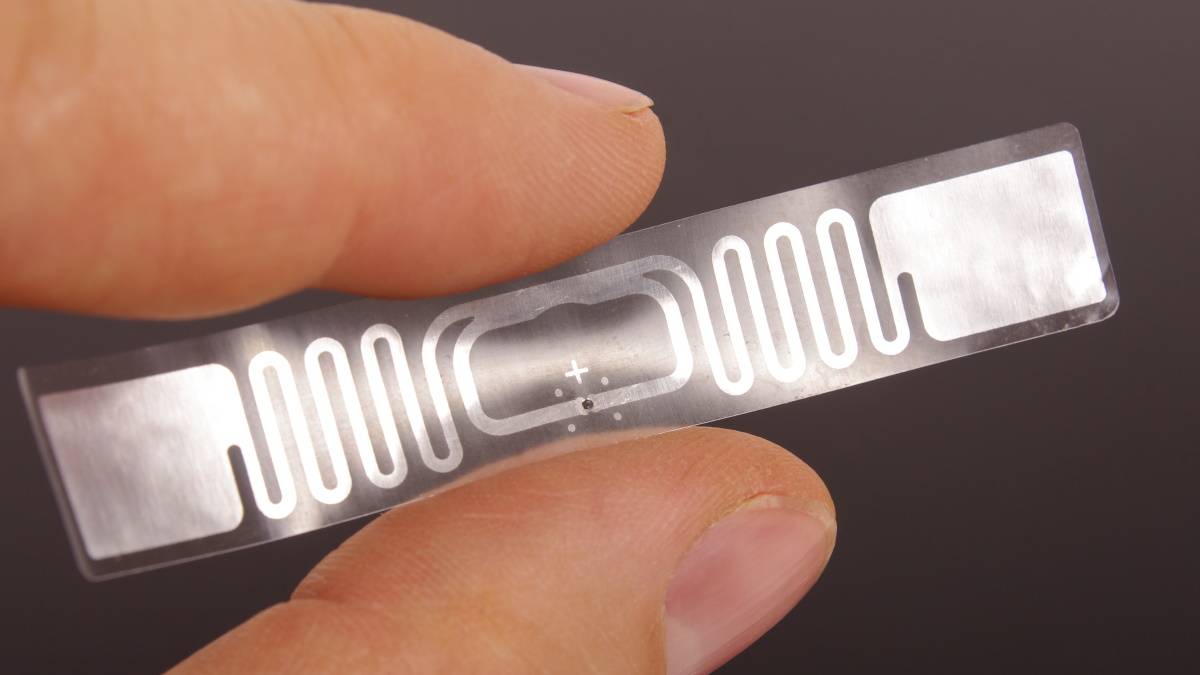
Engineers design different RFID chips for different jobs. The main types you will encounter are passive RFID chips, active RFID chips, and battery-assisted or semi-passive designs.
Passive RFID Chips
- Work best at short to medium range, depending on frequency and antenna size.
- Fit common use cases like retail inventory tags, access cards, library labels, and transit cards.
- Often cost only cents per tag when produced at scale.
Active RFID Chips
- Cover longer ranges, from tens to hundreds of meters.
- Support real-time location tracking for assets, vehicles, or containers.
- Cost more than passive tags and require battery maintenance.
Semi-Passive Or Battery-Assisted RFID Chips
- Provide better sensitivity than passive tags.
- Use less power than fully active RFID chips.
- Common in cold-chain and environmental monitoring.
NFC Chips As A Special Case
- Enable tap-to-pay, tap-to-unlock, and device-to-device transfers.
- Work at very close range for secure exchanges.
What RFID Chips Are Used For Today
- Retail Inventory: Stores attach passive RFID tags to track stock levels automatically.
- Logistics And Supply Chain: Warehouses track pallets and shipments in real time.

- Access Control: Office badges and hotel key cards rely on RFID chips.
- Asset Tracking: Hospitals and factories use RFID to locate critical equipment.
- Animal Identification: Vets use RFID microchips for pets and livestock.
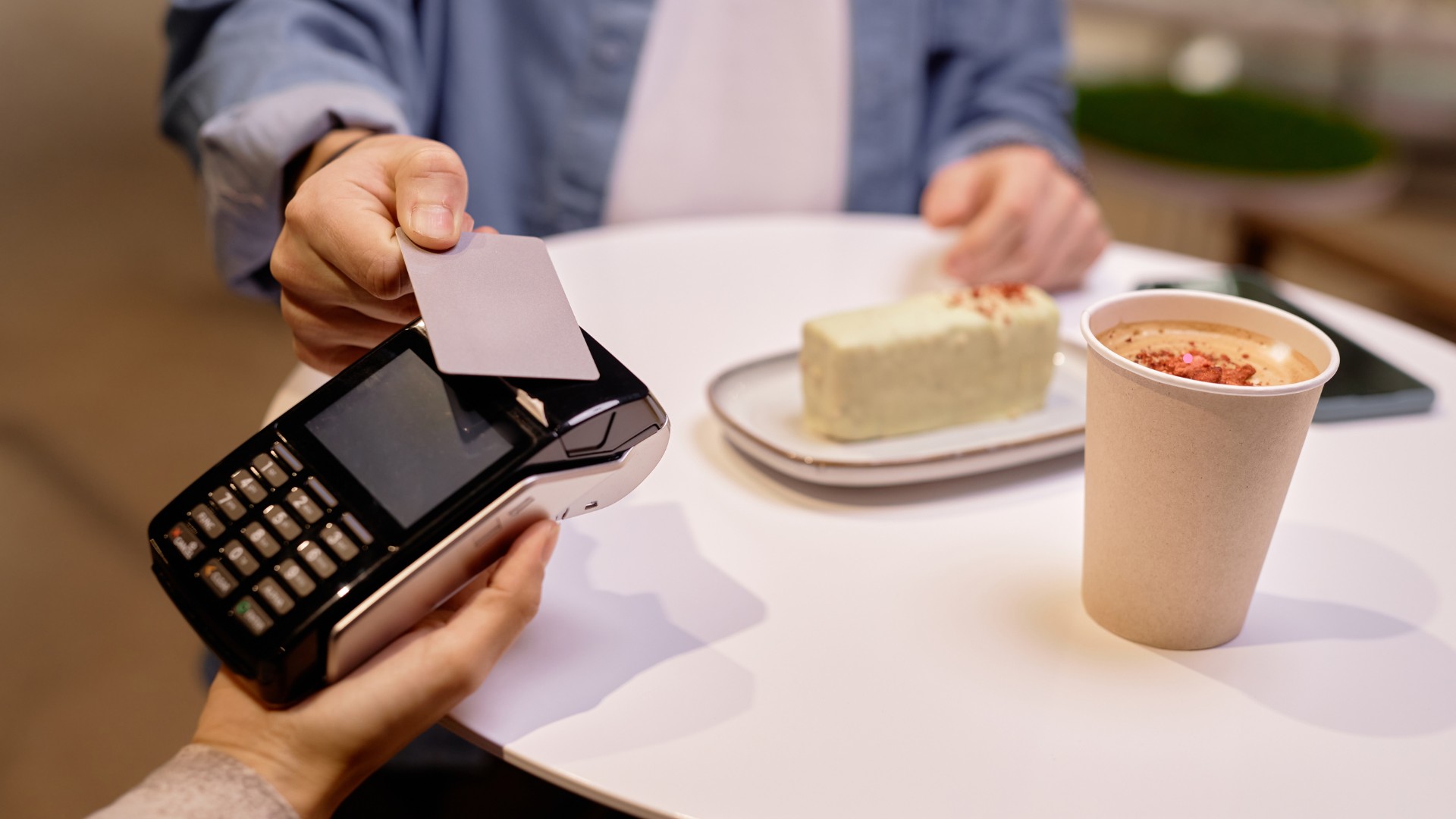
- Contactless Payments: Many payment cards and transit passes use NFC or RFID.
- Event Management: RFID wristbands enable fast entry and cashless payments.
Benefits Of RFID Technology
- Faster Scanning: Readers capture dozens of tags at once.
- More Accurate Inventory: Automated counts reduce errors.
- Real-Time Visibility: Live tracking improves decision-making.
- Less Manual Labor: Staff spend less time on repetitive tasks.
- Improved Customer Experience: Faster checkout and smoother access systems.
Privacy And Security Issues With RFID Chips
- Short Range: Most passive RFID chips only respond within a few inches or meters.
- No GPS: RFID tags cannot track location on their own.
- Reader Required: Chips stay silent unless activated by a reader.
- Security Features: Many systems use encryption and access controls.
High-value systems such as payment cards and door-access badges rely on encrypted RFID protocols that protect against casual scanning or cloning attempts.
Common Myths About RFID Chips
- “RFID Chips Broadcast Constantly.” Passive tags activate only when a reader energizes them.
- “Anyone Can Read Any RFID Tag Around You.” Readers must match frequency, protocol, and range.
- “RFID Tags Store Personal Data.” Most store only a serial number.
- “RFID Tracking Works Worldwide.” Tags respond only inside a reader’s limited coverage zone.
Should You Worry About RFID Tracking?
- Use RFID-blocking sleeves for cards if you want added protection.
- Check how companies handle RFID data tied to your identity.
- Ask event organizers how long they store RFID wristband data.
Summary
- An RFID chip stores data and communicates using radio waves.
- RFID systems identify items without line-of-sight scanning.
- Passive, active, and semi-passive RFID chips support different ranges.
- RFID tags appear in inventory, logistics, payments, and access control.
- Privacy concerns exist but are manageable with basic safeguards.
Conclusion
Understanding what an RFID chip is makes modern contactless systems feel less mysterious. Each RFID tag combines a chip and antenna that respond only when a nearby reader requests data. From warehouse tracking to transit cards and pet ID microchips, RFID technology supports fast, accurate identification in many industries.
As RFID systems continue to expand across logistics, healthcare, retail, and smart-city projects, knowing how these chips work helps you enjoy their convenience while staying aware of privacy and security best practices.



Discussion (0)
Be the first to comment.