


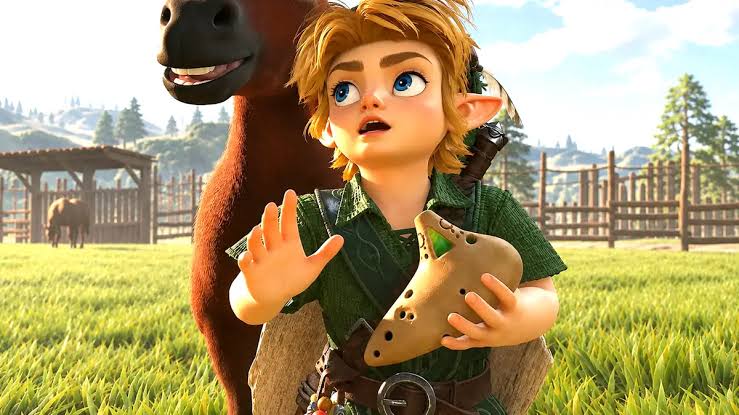
The Legend of Zelda: Ocarina of Time Remake is already showing major performance improvements on PC emulators, with the game reportedly reaching 60 FPS just one day after its Nintendo Switch 2 release.
Early attempts to run the remake on PC produced frame rates between 15 and 30 FPS, alongside serious graphical problems. However, developers working on the Lichii and Eglantine emulators have released updates addressing several of those issues.
The improvements allow parts of the game, including the starting area and Great Deku Tree, to run at substantially higher frame rates.
Some players have also reported achieving 4K resolution at 60 FPS, although these results have not been consistently demonstrated across different hardware configurations.
Despite the progress, the emulators remain experimental, with occasional stuttering, texture problems and audio synchronization issues still reported.
Lichii and Eglantine Updates Improve Zelda Remake Performance
The rapid improvements follow several changes to how the emulators handle graphics rendering and shader compilation.
Lichii, which is based on Eglantine, has reportedly resolved many of the visual artifacts that appeared when the game initially became playable.
One major fix addresses white flashes caused by how the Vulkan graphics scheduler managed occlusion counters.
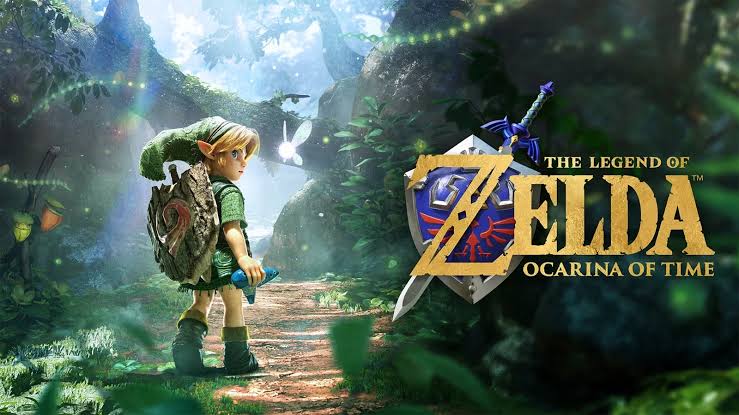
Instead of resetting the counter during every submission, the updated implementation pauses it, reducing unwanted visual effects.
Additional shader changes address black screens on AMD graphics hardware and rendering problems affecting vegetation.
Developers have also introduced improvements to pipeline caching, allowing compiled graphics pipelines to be reused across sessions.
The optimization work includes saving cached pipelines every 15 seconds and compiling some of them through background threads during startup.
These changes help reduce delays when the game encounters new graphics effects.
However, a player testing Eglantine with an AMD Ryzen 7 5700X and Nvidia RTX 5070 still encountered texture flickering, incorrect lighting and occasional slowdowns.
The results suggest that compatibility is improving quickly, but the remake is not yet completely free of problems.
DLSS Experiment Shows Better Image Quality Than Nintendo's FSR 1.0
Separately, a video comparison has demonstrated how Nvidia DLSS could improve the remake's image quality.
The experiment used an external HDMI processing method to apply DLSS to the console's output.
The resulting footage reportedly showed less shimmering and improved image clarity compared with the game's native AMD FSR 1.0 upscaling.
However, this technique does not modify the game running on Nintendo Switch 2. The console continues rendering normally, while the external processing changes the captured image.
Although Switch 2 hardware supports Nvidia DLSS, the remake reportedly uses FSR 1.0 for its native upscaling.
The comparison highlights the potential visual improvements available through newer reconstruction technologies.
For now, the most significant development is the speed of emulator optimization. Within approximately 24 hours, developers have moved from major graphical problems and low frame rates to reported 60 FPS gameplay in selected areas.
Further work will be necessary before the remake can deliver consistent performance and accurate visuals throughout the entire game on PC.

Discussion (0)
Be the first to comment.