


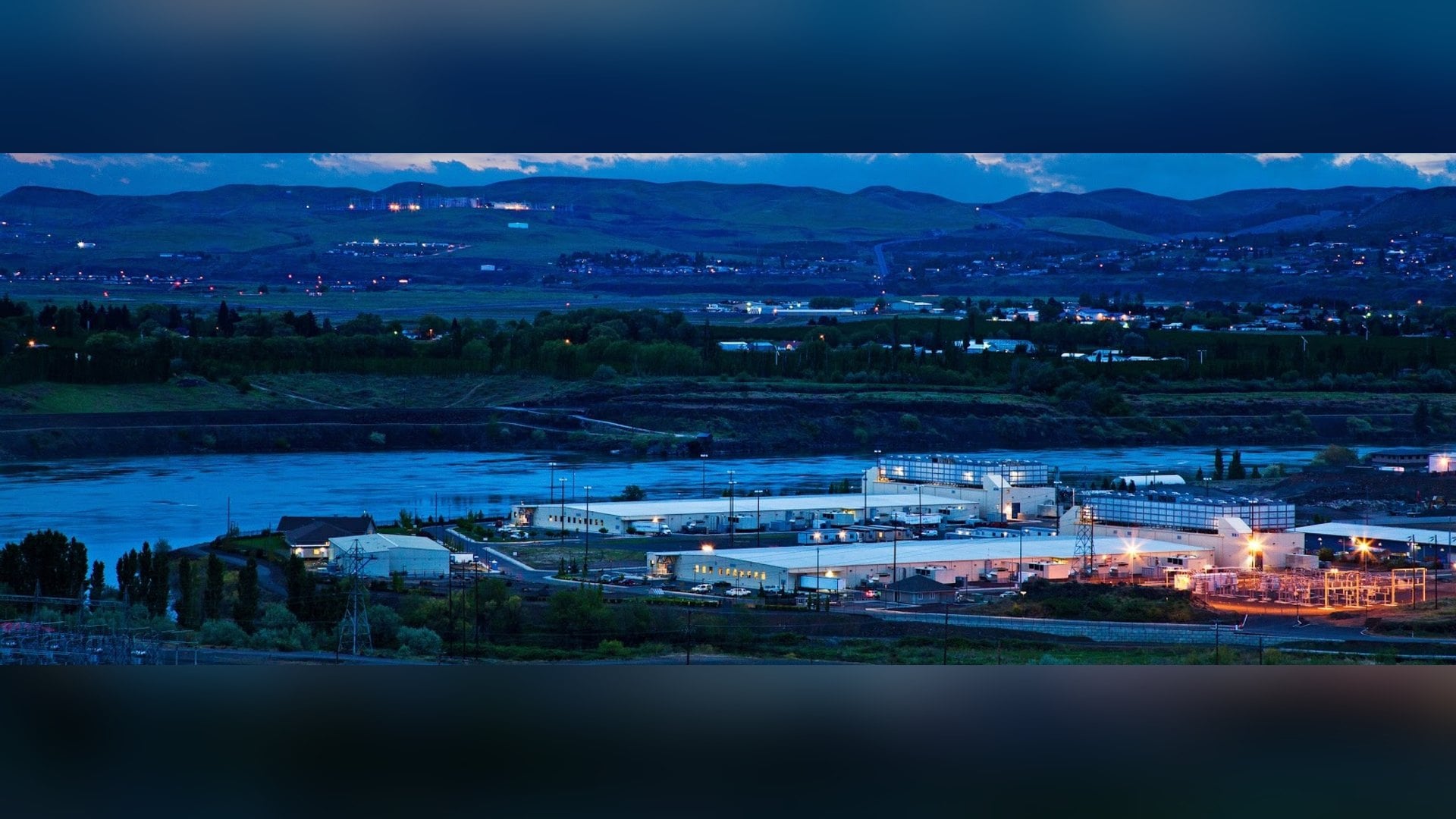
American voters have delivered a significant setback to AI data center expansion, with numerous communities supporting restrictions on new facilities during the November 3, 2026, midterm elections.
The results reflect growing concerns about electricity costs, water consumption and the impact of large computing facilities on local infrastructure.
Across 10 states, voters considered 41 ballot measures related to data center development, including proposals for construction bans, temporary restrictions and additional regulatory requirements.
Early election results indicate strong support for limiting development in several communities, although not every measure has received a final result.
The outcome could complicate expansion plans for technology companies investing billions of dollars in artificial intelligence infrastructure.
AI Data Center Restrictions Gain Support Across Several States
Ohio emerged as a major focus of the opposition, accounting for 21 data center measures on the November ballot.
Other states, including Illinois, California and Florida, also considered proposals aimed at regulating new facilities.
Some communities voted on outright construction bans, while others considered temporary moratoriums or requirements for additional public approval.
Early results suggested that approximately two dozen restrictive proposals had passed, with further counts continuing.
The concerns extend beyond individual projects, reflecting broader questions about how AI infrastructure affects surrounding communities.
Large data centers require substantial electricity, cooling systems and supporting infrastructure, potentially increasing pressure on local resources.
Residents have also raised concerns about whether the economic benefits justify these demands.
Growing Opposition Could Delay Future AI Investments
The election results arrive as major technology companies accelerate spending on AI computing capacity.
Companies developing large facilities face increasing scrutiny over their electricity requirements, environmental impact and potential effects on household energy costs.
Supporters argue that data centers can create construction employment, generate tax revenue and support economic development.
However, opponents question whether those benefits adequately compensate communities for infrastructure costs and resource consumption.
The growing number of restrictions could force developers to reconsider planned locations or negotiate additional commitments with local governments.
Some projects may face delays as authorities evaluate electricity availability, water requirements and other environmental concerns.
However, the election results do not establish a nationwide ban on AI data centers.
Developers can still pursue projects in communities where regulations allow construction.
For now, the November 2026 results indicate that local approval is becoming an increasingly important consideration for companies planning large AI infrastructure investments.


Discussion (0)
Be the first to comment.