


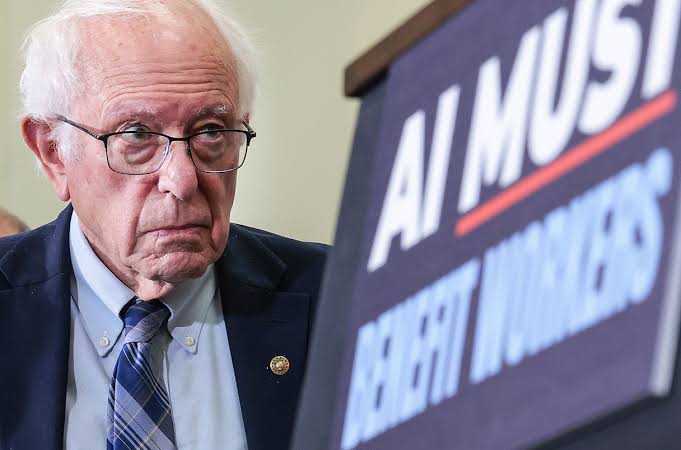
US Congresswoman Yassamin Ansari has called for an immediate pause on advanced artificial intelligence development and a ban on artificial superintelligence, urging Democrats to make stricter AI regulations a priority after their victories in the November 3, 2026, midterm elections.
The Arizona representative made the demand on November 4, describing the AI industry as out of control and arguing that stronger government oversight is necessary.
Her comments follow growing concerns about the speed of AI development, its potential risks and the impact of large data centers on local communities.
However, Ansari's proposal represents her own policy position. It has not been adopted as official Democratic Party policy, and no nationwide ban has been enacted.
Democrats Face Growing Pressure to Regulate Advanced AI
Ansari represents Arizona's third congressional district and serves on House subcommittees covering cybersecurity, information technology, government innovation and economic policy.
Her committee roles could provide opportunities to influence future AI legislation as Democrats prepare to control both chambers of Congress.
The proposal follows earlier legislative efforts to restrict the development of increasingly powerful AI systems.
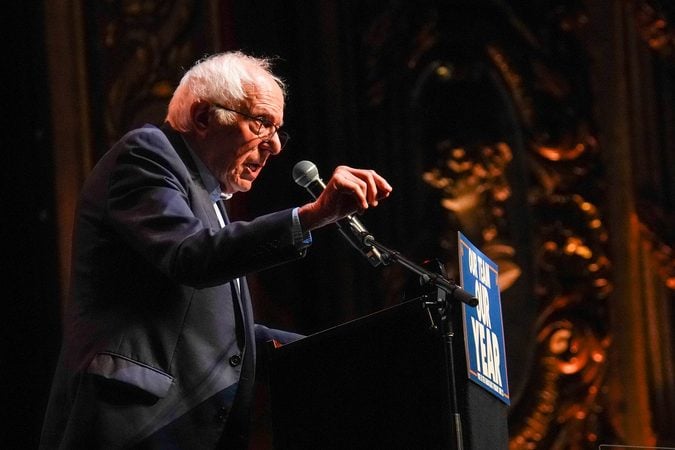
In September, Senator Bernie Sanders and Representative Greg Casar introduced the Ban Artificial Superintelligence Act, proposing a permanent prohibition on developing AI systems that exceed human intelligence across most areas.
The legislation would also temporarily pause advanced AI development until federal safety regulations are established.
Supporters argue that more capable AI systems could introduce serious risks if development continues without effective oversight.
However, critics of broad restrictions warn that slowing AI research could affect medical discoveries, scientific progress and America's competitiveness against countries such as China.
The proposals have not become law, and their prospects remain uncertain.
AI Data Centers Also Face Opposition Over Electricity Costs
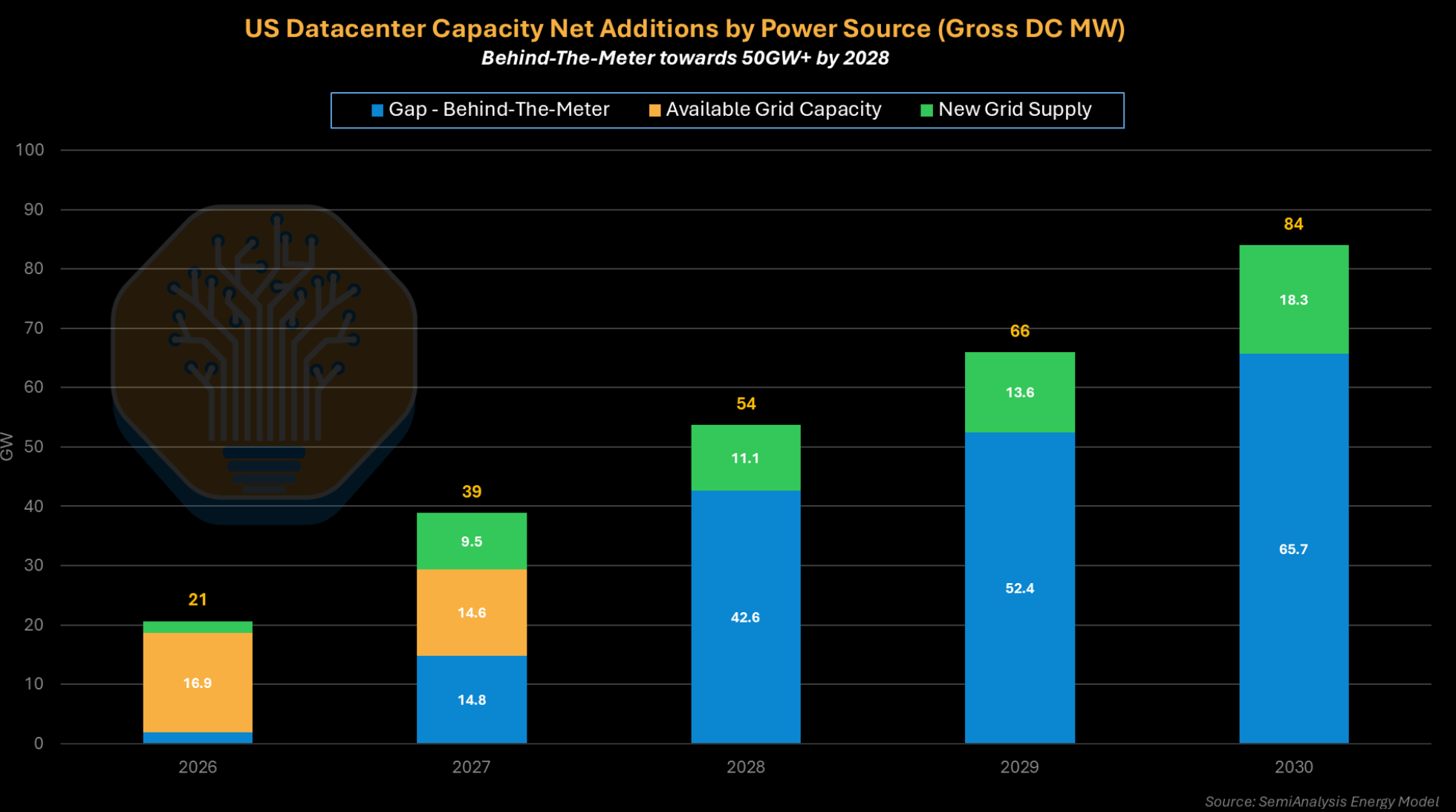
The debate extends beyond the capabilities of AI models to the physical infrastructure supporting them.
Across the United States, communities have raised concerns about the electricity consumption, water requirements and environmental impact of large AI data centers.
Several AI infrastructure proposals became election issues during the November 3 midterms, reflecting growing public attention to their effects on local utility costs and neighborhoods.
President Donald Trump's administration has taken a different approach, emphasizing AI development as an important part of economic and technological competition with China.
The administration has also pursued measures intended to reduce the electricity cost burden associated with expanding data center infrastructure.
Ansari's comments attracted mixed reactions, including concerns that restrictions could delay beneficial AI applications.
The disagreement highlights a central challenge facing lawmakers: determining how to manage potential risks without unnecessarily restricting useful technological development.
For now, there is no confirmed timetable for Congress to consider Ansari's proposed restrictions.


Discussion (0)
Be the first to comment.