


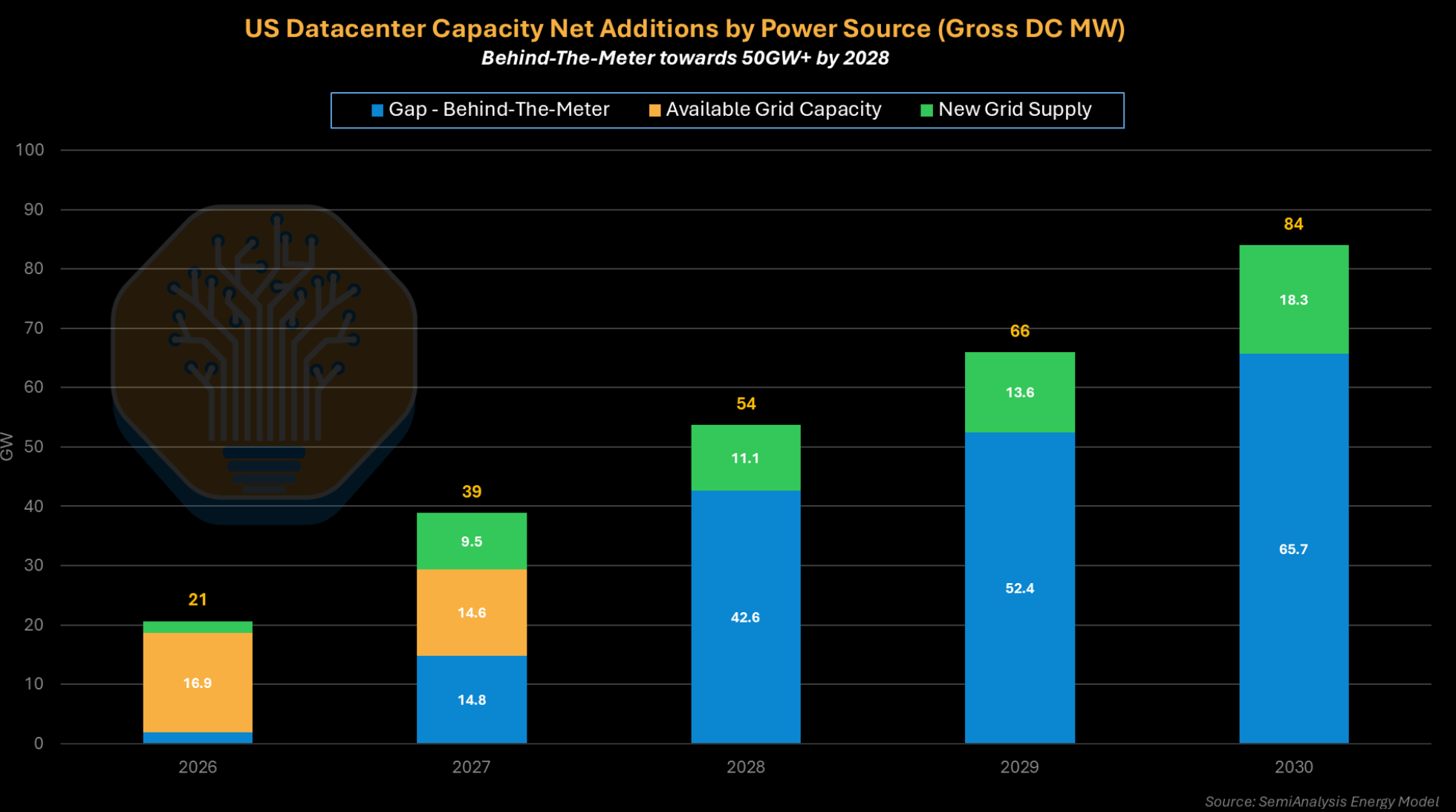
SpaceX is planning an enormous expansion of its artificial intelligence infrastructure, with Elon Musk targeting an additional 10 gigawatts of data center computing capacity during 2027.
If successful, the company could reach approximately 13 gigawatts of total capacity by the end of next year, including an estimated 3 gigawatts expected to be operational by December 2026.
Industry analysts believe the ambitious target may be technically achievable, pointing to the rapid construction of the company's existing AI facilities.
The expansion would represent a remarkable increase in computing infrastructure within approximately 18 months, potentially exceeding the capacity Google has developed throughout its history.
However, the plan remains dependent on securing sufficient electricity, cooling infrastructure and AI hardware.
SpaceX's Colossus Data Centers Are Expanding Rapidly
The company's Colossus facilities provide an indication of how quickly its AI infrastructure is growing.
Analysts examining aerial photographs and construction activity estimate that power generation capacity at Colossus 2 could increase from approximately 400 megawatts in January 2026 to 2.4 gigawatts by the end of the year.
Across several tracked facilities, including Colossus and Starbase locations, analysts have identified approximately 9 gigawatts of potential data center capacity.
Colossus 2 already has 89 gas turbines capable of producing around 2.5 gigawatts of electricity, supported by 1,377 Tesla Megapack battery systems.
However, environmental regulations are expected to restrict the facility to operating approximately 1.24 gigawatts of its own turbine capacity.
Additional electricity would come from the power grid, with batteries helping manage differences between available supply and computing demand.
The company also has temporary permission to operate additional turbines, with a planned reduction by July 2027.
Electricity and GPU Supply Remain Major Challenges
Despite the rapid construction progress, delivering 10 gigawatts of additional computing capacity presents substantial challenges.
Large AI data centers require advanced graphics processors, extensive cooling systems and reliable electricity infrastructure.
Musk previously stated that Colossus 2 had approximately 550,000 GPUs operating as of September 25, 2026.
Further expansion would require significantly more hardware alongside additional power generation equipment.
Some analysts have also expressed skepticism about the company's timeline, citing financing requirements, component availability and regulatory obstacles.
Importantly, planned electrical capacity does not automatically mean the corresponding computing hardware is installed and operational.
For now, SpaceX's construction progress suggests that its expansion targets are technically possible, but achieving the full 10 gigawatts during 2027 remains uncertain.
The coming year will determine whether the company can turn its aggressive infrastructure plans into operational AI computing capacity.



Discussion (0)
Be the first to comment.