



TSMC is reportedly preparing another major expansion of its most advanced chipmaking capacity, with 2 nanometer production expected to grow faster than 3 nanometer output through the first half of 2027.
A supply chain report says TSMC plans to increase monthly 2 nanometer capacity from about 90,000 wafers at the end of 2026 to around 110,000 wafers by the middle of 2027.
Over the same period, 3 nanometer capacity is expected to rise from roughly 180,000 wafers per month to about 210,000 wafers.
That would represent growth of around 22% for 2 nanometer production and 16% for 3 nanometer production.
| Process | Expected capacity by end of 2026 | Expected capacity by mid 2027 | Approximate growth |
|---|---|---|---|
| 2 nanometer | 90,000 wafers per month | 110,000 wafers per month | 22% |
| 3 nanometer | 180,000 wafers per month | 210,000 wafers per month | 16% |
2 nanometer capacity is growing faster
The reported expansion reflects the strong demand for advanced semiconductor manufacturing from high performance computing, AI and premium consumer devices.
TSMC's 2 nanometer family is its newest major production technology and is expected to play an increasingly important role in future processors, accelerators and mobile chips.
The faster growth rate does not mean 2 nanometer capacity will overtake 3 nanometer production soon. Even after the planned expansion, 3 nanometer output would still be almost twice as large.
However, the pace of the 2 nanometer ramp shows how quickly TSMC is preparing for customers to move to newer process technology.
3 nanometer production is still expanding
TSMC is also continuing to add 3 nanometer capacity.
Part of that growth is expected to come from the company's Arizona operations, where 3 nanometer production is reportedly planned for the second half of 2027.
Earlier reports suggested that this schedule could be ahead of previous expectations.
TSMC has also reportedly been converting some existing 4 nanometer capacity into 3 nanometer production.
That shift has been linked to weaker demand for some older process technologies used in lower cost smartphones and other mainstream products.
By reallocating manufacturing resources, TSMC can direct more capacity toward areas where demand remains stronger.
AI demand is putting pressure on both fabrication and packaging
The expansion is not limited to wafer production.
TSMC is also under pressure to increase advanced packaging capacity, especially CoWoS, which is heavily used in AI accelerators and other high performance chips.
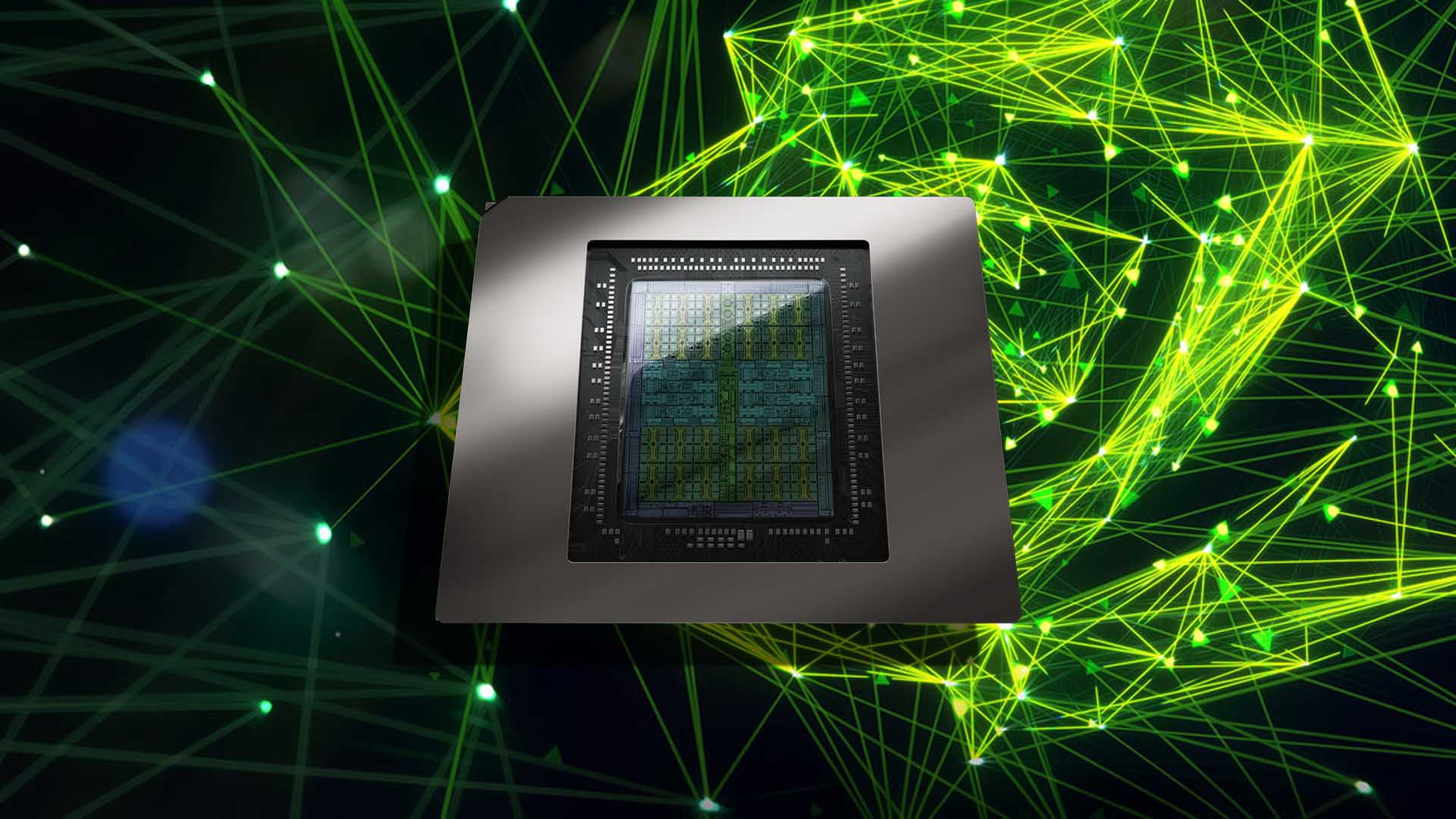
Modern AI processors often combine logic dies with high bandwidth memory and other components in advanced packaging systems.
As a result, simply producing more wafers is not enough. TSMC also needs enough packaging capacity to assemble those chips into finished products.
Reports have already suggested that the company is considering a major increase in CoWoS capacity over the next several years.
Advanced nodes are becoming more important to TSMC
Demand for 2 nanometer and 3 nanometer production is expected to remain strong as chipmakers move more products to newer nodes.
AI accelerators, server processors, flagship smartphone chips and other high performance products increasingly depend on leading edge manufacturing to improve performance and power efficiency.
TSMC is also working on technology beyond 2 nanometers, with reports suggesting that its next generation 1.4 nanometer process could move into production earlier than previously expected.
For now, the near term focus appears to be scaling 2 nanometer output while keeping 3 nanometer capacity growing at the same time.
If the latest report is accurate, TSMC will reach around 110,000 monthly 2 nanometer wafers by the middle of 2027, giving the company substantially more capacity for the next wave of advanced chips.

Discussion (0)
Be the first to comment.