



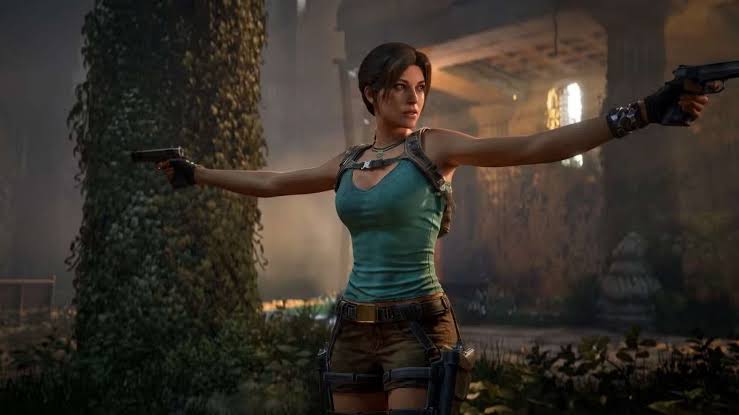
Tomb Raider: Catalyst is now expected to launch in 2028, extending the wait for Lara Croft’s next original adventure.
The revised release window was mentioned by Amazon Games head Jeffrey Gattis during a discussion about the company’s upcoming projects. He said Tomb Raider: Legacy of Atlantis will arrive on February 12, 2027, followed by the next game in 2028.
Catalyst had previously been associated with a 2027 release, making this the second recent delay affecting Amazon’s Tomb Raider plans. Legacy of Atlantis was originally expected earlier but was moved to February 2027.
Amazon has not provided a more precise date for Catalyst, so the game currently has only a broad 2028 window.
Amazon now plans to release the two Tomb Raider games in separate years
The updated schedule places Legacy of Atlantis first, followed by Catalyst at least several months later.
| Game | Current release window | Project type |
|---|---|---|
| Tomb Raider: Legacy of Atlantis | February 12, 2027 | Reimagining of Lara Croft’s original adventure |
| Tomb Raider: Catalyst | Sometime in 2028 | New mainline adventure |
This approach gives each game more space and may prevent the two projects from competing for attention.
Legacy of Atlantis is being developed as a modern reworking of Lara Croft’s earliest adventure. Catalyst is a separate project designed as the next major step for the series.
The delay also gives Crystal Dynamics more time to complete a game that is expected to be much larger than previous entries.
Catalyst is being built with Unreal Engine 5
Amazon partnered with Crystal Dynamics in 2022 to support development and publishing for Tomb Raider: Catalyst.
The game is being created with Unreal Engine 5 and is described as offering the largest world in Tomb Raider history.
Lara will explore a broad landscape filled with hidden areas, ancient tombs, environmental puzzles, and mysteries. The development team has also promised customisable adventure technology that can support different approaches to exploration.
The story will focus on trust and betrayal while placing Lara in new situations that challenge her experience and judgement.
These ambitions may help explain why the project needs additional time. Large environments require extensive work across level design, traversal, animation, artificial intelligence, puzzles, performance, and testing.
Unreal Engine 5 provides modern visual tools, but using them effectively across a large game still requires careful optimisation.
The delay may help Crystal Dynamics manage the project’s scale
Tomb Raider games depend on a balance between exploration, combat, puzzles, climbing, and cinematic storytelling.
Expanding the size of the world without reducing the quality of individual tombs will be a major challenge. A larger map does not automatically create a better Tomb Raider experience if its locations lack detail or meaningful activities.
The additional development time could allow Crystal Dynamics to improve environmental variety and make each region feel purposeful.
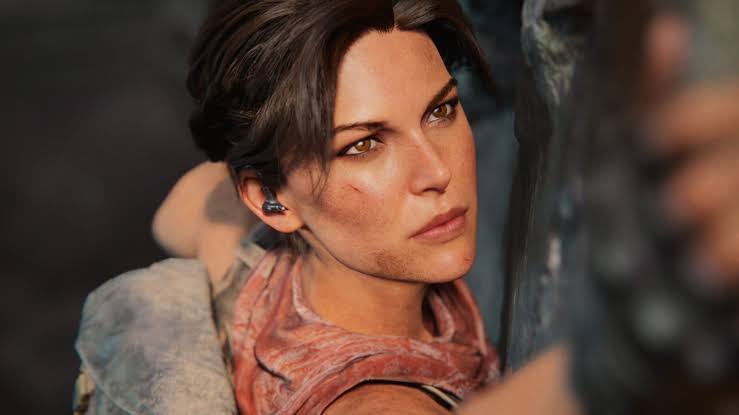
It could also give the studio more time to refine Lara’s movement, equipment, combat abilities, and puzzle interactions.
No gameplay has been shown in the provided information, so it is too early to judge how the larger world will affect the structure. Catalyst could use connected open regions, one continuous world, or a combination of large areas and traditional missions.
Two delayed projects make 2027 the start of Amazon’s Tomb Raider rollout
The revised schedule means Lara Croft’s return will begin with Legacy of Atlantis in February 2027.
That game is expected to provide a modern version of the original adventure while introducing the character to a new generation. Catalyst will follow in 2028 with a completely new story and a larger setting.
Spacing the releases across two years may give Amazon a more consistent Tomb Raider schedule. It also allows Catalyst to benefit from any technical or audience lessons gained from Legacy of Atlantis.
However, the delays will test the patience of fans who have already waited several years for another major entry.
Amazon and Crystal Dynamics have not confirmed whether the 2028 window applies to every platform at the same time. The current information lists Xbox Series X and Xbox Series S among the planned systems.
A delay is disappointing, but Catalyst carries significant expectations. Crystal Dynamics is trying to build the largest world in the series while preserving the exploration and puzzle design that define Tomb Raider.
The final result will need to show that the longer development period was used to improve the game rather than simply increase its size.



Discussion (0)
Be the first to comment.