



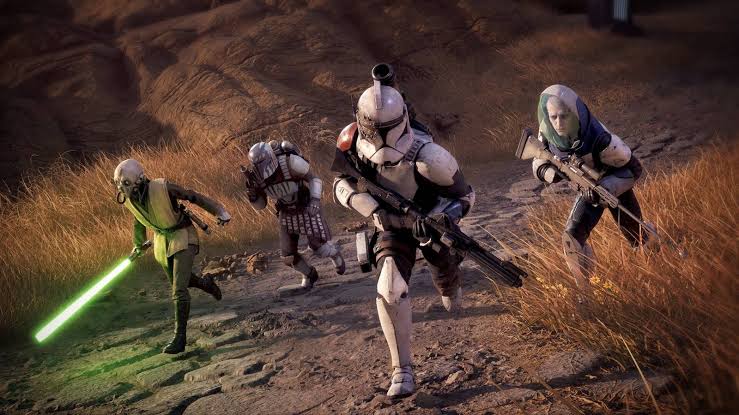
Star Wars Zero Company is shaping up as a turn based tactics game with clear similarities to XCOM, but its campaign structure adds several systems intended to make squad relationships, strategic choices and long term consequences matter.
Set near the end of the Clone Wars, the game follows Hawks, a customizable former Republic officer leading a mercenary group known as Zero Company. Hawks can work with characters from very different backgrounds, including Republic loyalists, Separatist sympathizers, criminals and other hired operatives.
The game launches on August 27 for PC, PlayStation 5 and Xbox Series X|S.
Star Wars Zero Company key details
| Feature | Detail |
|---|---|
| Genre | Single player turn based tactics |
| Setting | Late Clone Wars |
| Main character | Hawks |
| Squad size in combat | Four |
| Actions per turn | Three Action Points |
| Permadeath | Optional |
| Fog of war | None |
| Strategic base | The Den |
| Campaign structure | 12 zones |
| Release date | August 27, 2026 |
| Platforms | PC, PlayStation 5, Xbox Series X|S |
Combat follows familiar tactical rules
Each operator receives three Action Points per turn that can be spent on movement, attacks and abilities.
Cover affects accuracy, flanking can expose enemies and Overwatch creates reaction zones that punish hostile movement. Unlike some tactical RPGs, there are no opportunity attacks, allowing characters to move into better firing positions and retreat without automatically triggering a melee response.
One notable difference from XCOM is the absence of fog of war. Every enemy is visible immediately, giving you more information when positioning the four member squad.
Zero Company also introduces a Backup system. One character can ask another visible squad member to fire at the same target, effectively creating an additional attack during the initiating character’s turn. The supporting shot can still miss depending on range, cover and visibility.
Bonds and injuries affect squad development
Relationships between squad members are represented through the Bond system.
Shared actions increase bonds between characters and eventually unlock Cross Training bonuses. The preview suggests these relationships build quickly, so their long term importance may depend on how the system develops later in the campaign.
The squad also shares an Advantage resource that fills as enemies take damage. Operators can spend it on powerful Ultimate abilities.
Injuries create more serious consequences. A downed operator receives an injury, and a third injury results in death. Authored characters who die permanently lose their personal quest lines, while fallen squad members are recorded in a Memorial.
Hawks can also be defeated, but the commander’s death causes mission failure rather than permanent campaign death. Permadeath itself can be disabled independently of difficulty.
Named heroes and custom operators can fight together
Zero Company mixes authored characters with fully customizable recruits.
Named characters include former clone trooper Trick, Jedi Padawan Tel Rea Vokoss, cybernetic prizefighter Kabb Uppercut, Umbaran sniper Luco Bronc, exiled noble Jae Mordant and Mandalorian gunslinger Cly Kullervo.
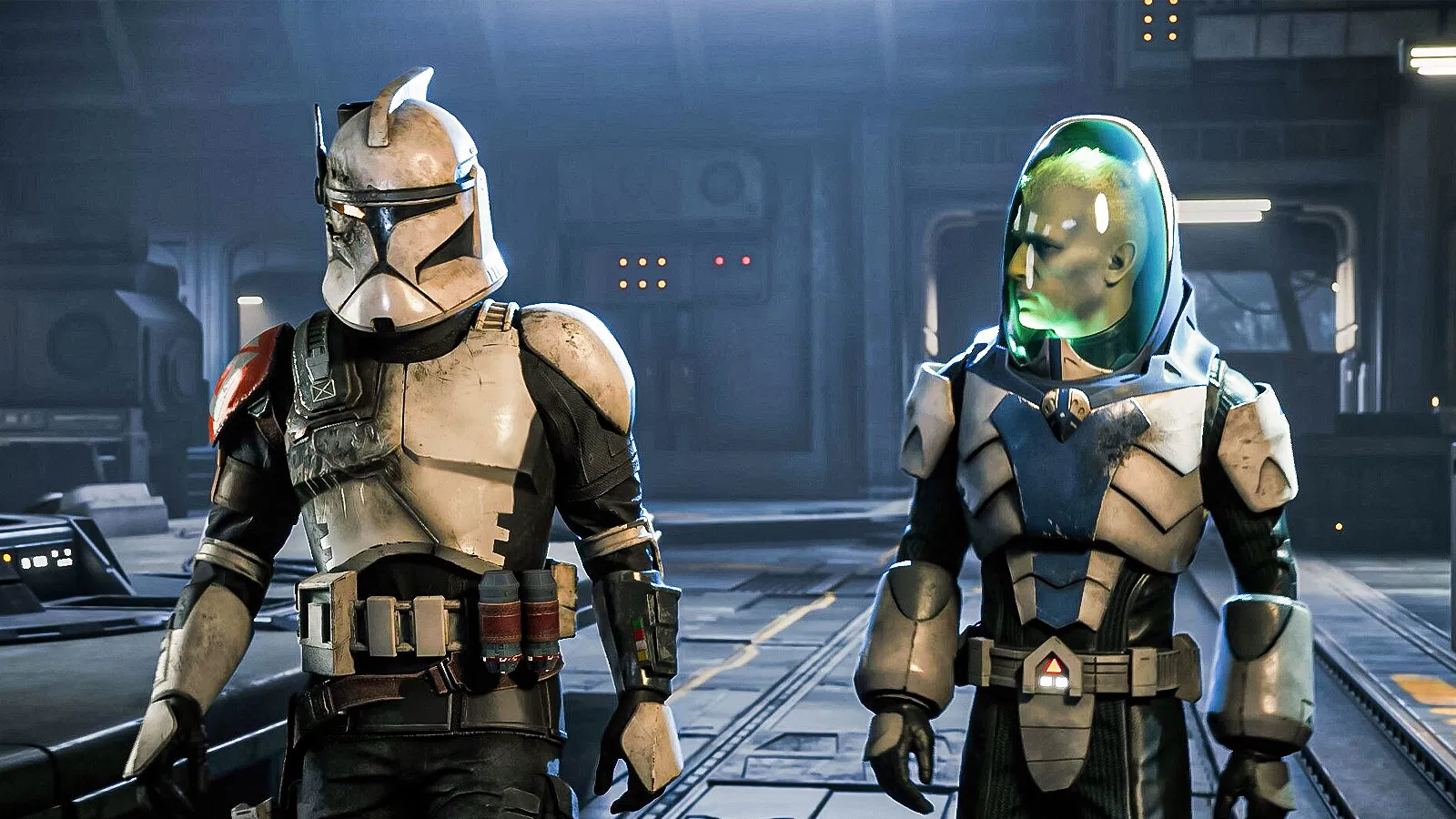
Custom operators can come from archetypes such as Rogues, Mavericks, Gunnies, Medics, Scouts, Sharpshooters and Soldiers.
Their appearance, species, equipment, specialization and abilities can be adjusted. Operators can later unlock secondary specializations, allowing hybrid builds rather than locking every recruit into a single role.
The Den handles upgrades and campaign management
Between battles, Zero Company returns to a converted bulk freighter called the Den on the Ring of Kafrene.
Different facilities handle recruitment, operator upgrades, weapons, medical treatment, customization and character interactions.
The Holotable serves as the main strategic interface, showing available Operations and Tactical Missions across 12 campaign zones.
Operations are different from normal combat missions. They can provide credits, equipment, intel and story developments, while sometimes requiring squad members to be assigned to off screen tasks.
Those choices can involve risks, including injuries, and certain operators may perform better depending on their skills.
Campaign choices can strengthen enemies
The central threat is the Infinite Coil, a Separatist aligned paramilitary cult led by Kundri Fathom.
The organization is spreading a disease called the Shadow Plague, which transforms surviving recruits into dangerous soldiers.
The Coil evolves during the campaign.
Some Operations force you to choose which enemy upgrades to prevent, meaning another upgrade will still happen. That structure can change the kinds of enemies encountered later.
Not every activity can be completed in one campaign either. Operations disappear after a limited period, and prioritizing one assignment can affect which opportunities remain available later.
That combination of tactical battles, squad development and strategic decisions gives Star Wars Zero Company a familiar XCOM foundation while adding a stronger focus on authored characters and campaign consequences.
The preview still leaves questions about how meaningful some relationship systems will remain across a full playthrough, but the underlying structure gives the game several ways to distinguish itself beyond its Star Wars setting.



Discussion (0)
Be the first to comment.