




SK hynix is reportedly working with Intel on advanced chip packaging as AI demand continues to strain the semiconductor supply chain.
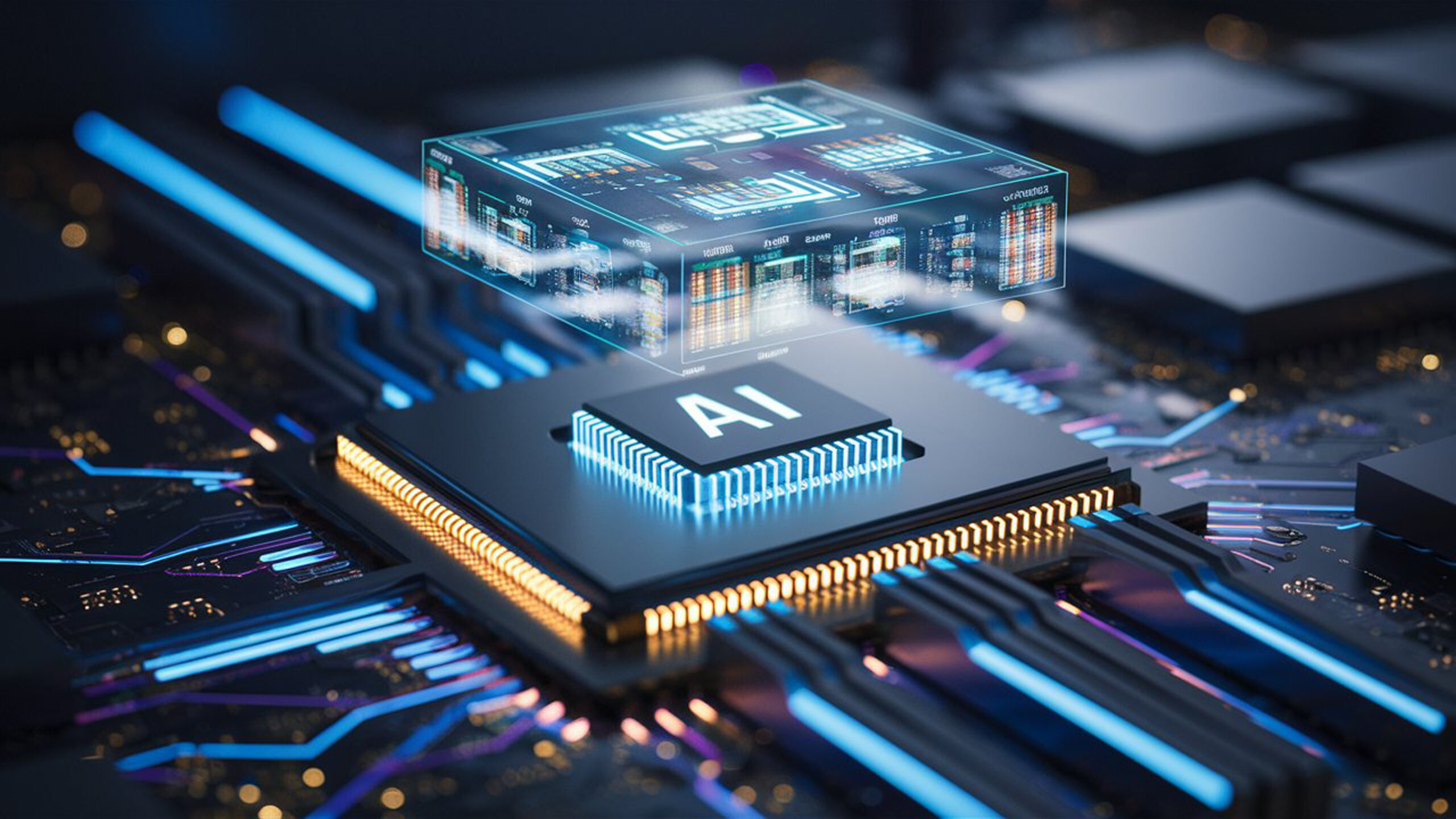
The focus is Intel’s EMIB technology, short for Embedded Multi die Interconnect Bridge. It is an advanced packaging method that can connect multiple chip parts more efficiently without relying on the same full interposer approach used in some other 2.5D packaging methods.
This matters because packaging has become one of the biggest bottlenecks in AI hardware. Companies can design powerful AI chips, and memory makers can produce HBM, but those parts still need advanced packaging before they become usable high performance systems.
TSMC’s CoWoS packaging remains in heavy demand, especially from AI chip companies. But CoWoS capacity has been tight for years, which has pushed companies to look for alternatives. Intel’s EMIB is now getting more attention as one possible way to reduce pressure on the supply chain.
SK hynix is reportedly evaluating EMIB for connecting high bandwidth memory with logic dies. That would be important because HBM is central to modern AI accelerators. The company is also said to be looking at the materials needed if EMIB moves toward volume production.
Here is the main picture:
| Area | Details |
|---|---|
| Companies involved | SK hynix and Intel |
| Technology | Intel EMIB advanced packaging |
| Main use | 2.5D packaging for AI chips and HBM |
| Reason | TSMC CoWoS capacity remains tight |
| Key question | Whether EMIB can deliver strong production yields |
| Wider impact | Intel could become a bigger packaging supplier for AI hardware |
Yield will be a major factor. Intel’s EMIB may look promising in validation, but real production yield is what matters most. If Intel can prove that EMIB works reliably at scale, it could become a stronger option for companies that need AI packaging capacity quickly.
Intel is also trying to use advanced packaging as part of its comeback. Under CEO Lip Bu Tan, the company has been pushing its foundry and packaging strengths more aggressively. Intel’s argument is that it can offer more than CPUs, including advanced packaging and manufacturing support for outside customers.
That could be useful for companies such as SK hynix, Google, NVIDIA, and others that need more packaging options as AI demand grows.
For SK hynix, the move makes sense. The company is already one of the most important HBM suppliers in the AI market. If packaging remains a bottleneck, working with Intel could help it secure more routes to deliver memory into finished AI systems.
For Intel, this is another chance to prove that its packaging business can play a bigger role in the AI supply chain. The company does not need to replace TSMC to win here. It only needs to provide enough reliable capacity to become a serious second source.
The AI hardware race is no longer only about who has the fastest chip. It is also about who can package, power, cool, and ship complete systems at scale. If EMIB can help solve part of that problem, Intel could become more important to the AI buildout than many expected.

Discussion (0)
Be the first to comment.