



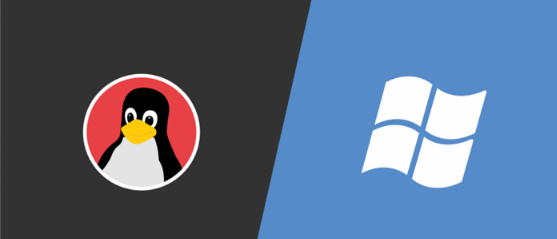
Windows 10 support ended in October 2025. A new PC costs money. Microsoft keeps pushing Copilot into every corner of the operating system. If any of those things have crossed your mind recently, you are probably not alone in wondering whether Linux is worth a serious look. More people are actually making the move, and the Linux experience in 2025 is genuinely different from what it was five or ten years ago. This guide looks at whether moving to Linux from Windows makes practical sense for an everyday consumer.
What Has Changed About Linux
The conversation about Linux on the desktop used to end quickly. Driver support was inconsistent, Wi-Fi cards would not work out of the box, and gaming was essentially out of the question. Most of that has changed.
Modern distributions like Ubuntu, Linux Mint, and Fedora install cleanly on most consumer hardware and handle drivers automatically. Wi-Fi, Bluetooth, audio, and display adapters work on the overwhelming majority of laptops and desktops without manual configuration.
Gaming has changed the most dramatically. Steam's Proton compatibility layer now runs a large portion of the Windows game library on Linux. This was the single biggest barrier to Linux adoption for a broad audience, and it is no longer the absolute wall it once was.
What Linux Actually Looks Like for a Regular User
The biggest misconception about Linux is that using it means living in a terminal. That picture is outdated.
Distributions like Linux Mint are designed explicitly for users coming from Windows. The desktop looks familiar. There is a taskbar, a start menu equivalent, a file manager, and a settings panel. You install apps from a software center that works like an app store. You can go weeks without ever opening a terminal if your hardware is well supported and you stay within mainstream software.
What You Gain by Moving to Linux
The most immediate thing most people notice after switching is speed. Windows 11's hardware requirements excluded many capable machines, and even on supported hardware it carries significant background overhead. A laptop that felt sluggish on Windows often feels responsive running Linux Mint.
Privacy is the second significant gain. Windows 11 collects telemetry, shows ads in the Start menu, and pushes cloud services constantly. Linux distributions do none of this. There are no ads, no mandatory account creation, and no background data collection.
Cost is straightforward. Linux is free. So is most Linux software. LibreOffice replaces Microsoft Office. GIMP and Krita replace paid image editors. VLC handles media. You can build a complete computing environment without spending anything beyond the hardware.
What You Lose by Leaving Windows
Microsoft Office is the most significant loss for many users. LibreOffice handles basic documents well, but if you collaborate heavily with colleagues using Word or Excel, formatting inconsistencies will create friction. Microsoft 365 works through the browser on Linux but it is not the same as the native application.
Adobe software does not run on Linux. Photoshop, Illustrator, Premiere Pro, and the rest of Creative Cloud are Windows and macOS only. If you are professionally embedded in Adobe's ecosystem, Linux is not a practical primary system.
Gaming is better than it was but not equivalent to Windows. Some competitive multiplayer games with anti-cheat systems like Valorant block Linux entirely. If gaming is central to how you use your computer, this matters.
Some consumer software simply does not exist on Linux. Certain banking apps, government tools, or industry-specific software may only run on Windows depending on where you live and what your work requires.
Who Should Consider the Switch
Linux suits you well if your computing life revolves around the browser. Web apps have matured to the point where a large portion of productivity work happens online. Google Docs, Notion, Figma, Slack in the browser, and most web-based tools run without any issues.
If you have an older computer that Windows 11 does not support, or that now runs an unsupported version of Windows 10, Linux is the most sensible path forward. Installing Linux Mint gives that machine several more years of secure, supported operation at no cost.
If privacy matters to you, Linux delivers it cleanly. There is no lasting way to fully remove telemetry and advertising from Windows. On Linux, those things simply do not exist.
Who Should Probably Stay on Windows
If you game competitively or rely on titles known to have Linux compatibility issues, Windows remains the better platform. The gap has narrowed but it has not closed.
If your work depends on Microsoft Office beyond basic handling, particularly complex shared files, staying on Windows avoids constant friction. If you use Adobe Creative Cloud professionally, there is no practical Linux alternative without a significant workflow overhaul.
If you use specialist software that is Windows-only, the switch is not viable as a primary system without adding complexity most users do not want.
How to Try Linux Without Committing
The most practical approach is running Linux live from a USB drive. Every major distribution lets you download an ISO, write it to a USB drive, and boot from it to try the full operating system without installing anything or touching your Windows installation.
Spend a few hours using it normally. Open the browser, test the software center, connect to Wi-Fi, play some media. If everything works and the environment feels manageable, that tells you something useful before you commit to anything.
If the live experience is positive, you can install Linux alongside Windows in a dual boot setup. This lets you choose which system to boot each time you start your computer. Many people find that after a few weeks of dual booting, they rarely choose Windows anymore.
Final Thoughts
Moving to Linux from Windows is more realistic for more people than it has ever been. The technical barriers that once made it impractical for everyday users have largely come down. But it is not for everyone.
If you live in the browser, value privacy, or want to extend older hardware, Linux is worth a genuine look. If your computing life depends on specific Windows-only software, professional Adobe tools, or a gaming library with known Linux incompatibilities, staying on Windows is still the more practical path.
The best way to find out is simple. Download Linux Mint, put it on a USB drive, and spend a few hours with it. The answer will become clear faster than any amount of reading about it.
Frequently Asked Questions
Is Linux difficult to use for everyday consumers?
Modern distributions like Linux Mint and Ubuntu are designed for general users. Web browsing, email, video streaming, and document editing all work without technical knowledge. Day-to-day use does not require terminal commands or technical expertise.
Can you run Windows software on Linux?
Some Windows software runs through a compatibility layer called Wine, but it is not guaranteed. For most applications, finding a native Linux equivalent is more reliable. For gaming, Steam's Proton compatibility layer runs a large portion of the Windows game library on Linux.
Is Linux free?
Yes. Linux operating systems are free to download and install, and most Linux software is free as well. There is no operating system license fee.
Will my peripherals work on Linux?
Most standard peripherals including printers, webcams, headsets, and external drives work without manual configuration. Specialist hardware with Windows-only companion software may have limited support. Check compatibility for any specialist devices before switching.
What is the best Linux distribution for someone coming from Windows?
Linux Mint is widely recommended for Windows users because its desktop layout is familiar, it handles most hardware automatically, and it is designed to be accessible without prior Linux experience. Ubuntu is another strong option with broad community support.

Discussion (0)
Be the first to comment.