



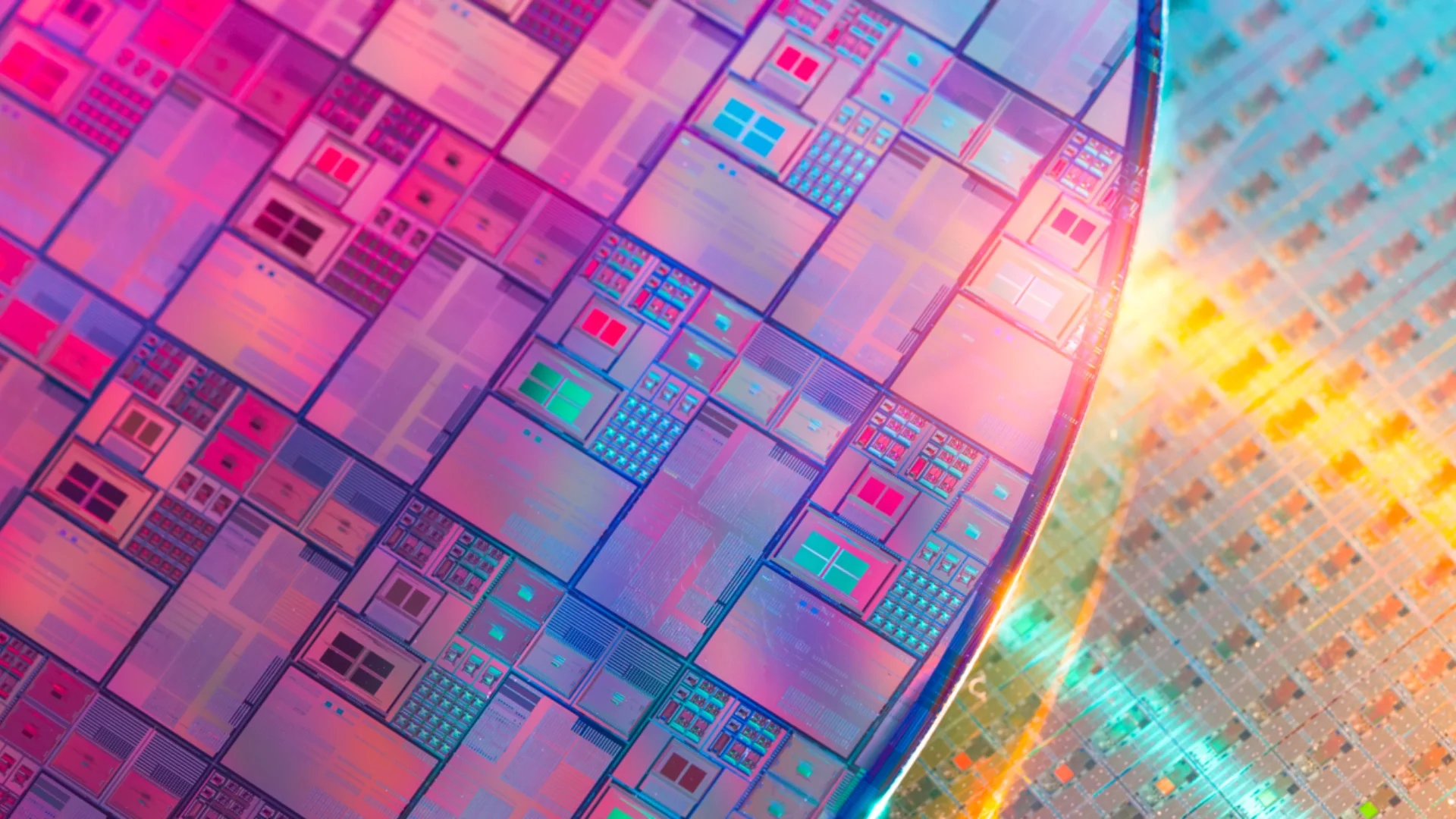
Samsung’s foundry business may be showing signs of recovery. A new report says the company has reached around 80% yield on its 4nm process, which suggests the technology is now mature enough for large-scale production and more reliable chip output.
Yield is one of the most important factors in chip manufacturing. It measures how many usable chips come out of a wafer. Higher yields mean lower costs, better efficiency, and more confidence from customers. Samsung has faced criticism in recent years for struggling with yields, so this improvement could help rebuild trust in its foundry services.
Stronger 4nm yields are helping Samsung bring back major customers in AI and enterprise computing
The report says several large companies are now working with Samsung’s foundry again. These include Groq, IBM, Baidu, and even a cryptocurrency firm. Groq is especially important because it is backed by NVIDIA and focuses on AI inference chips.
Groq has already used Samsung’s 4nm process for earlier chips and is now reportedly planning to use it again for newer generations. Its LPU (Language Processing Unit) chips are designed for AI workloads, which are currently one of the fastest-growing parts of the semiconductor market.
This matters because AI demand is now driving much of the chip industry. If Samsung can provide stable production for AI chips, it becomes more competitive against other foundries.
| Samsung 4nm progress | Why it matters |
|---|---|
| Around 80% yield | Shows the process is stable and commercially viable |
| Mass production since 2023 | Technology has moved past early risk stages |
| AI customers like Groq | Boosts Samsung’s position in the AI chip market |
| More companies like IBM and Baidu | Suggests growing trust in Samsung Foundry |
| Mature production stage | Lower risk for large-scale chip orders |
The report also says Samsung’s 4nm process is now considered to be in the “mature production” phase. This comes after mass production started in November 2023. A mature node is usually more reliable and cost-effective, which is exactly what large customers look for when choosing a manufacturing partner.
However, the story is not fully positive. Samsung still faces strong competition, especially in newer process nodes. For example, its 2nm yields are reportedly still below 60%, while TSMC’s 2nm yields are said to be around 90%. That gap shows Samsung still has work to do in the most advanced manufacturing technologies.
This creates an interesting situation. Samsung may now have a solid and reliable 4nm process that can attract customers, especially in AI and enterprise markets. But at the same time, it needs to improve its next-generation nodes if it wants to fully compete with TSMC in the long term.
For now, the improved 4nm yield is a step in the right direction. It shows Samsung can recover from earlier issues and deliver stable production again. If the company can repeat that success at 3nm and 2nm, its foundry business could become much more competitive in the years ahead.



Discussion (0)
Be the first to comment.