



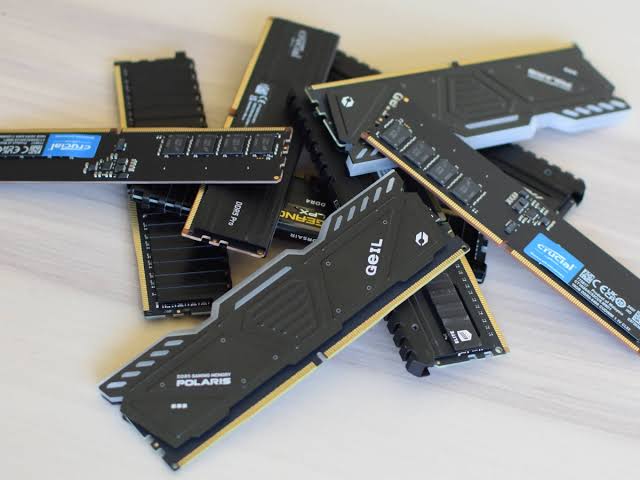
Samsung, SK Hynix, and Micron are facing a proposed class action lawsuit in the United States as memory prices continue to rise during the global supply shortage. The complaint accuses the three major DRAM manufacturers of restricting supply in a way that allegedly pushed prices higher for consumers and businesses.
The case was filed on June 25, 2026, in the United States District Court for the Northern District of California. It seeks compensation for buyers who claim they paid inflated prices for memory products during the current shortage.
The lawsuit arrives at a time when DRAM and storage prices have climbed sharply. Demand from AI data centers, cloud providers, and large technology companies has increased pressure on memory suppliers, leaving PC builders, laptop makers, phone brands, and smaller hardware companies competing for limited supply.
The Lawsuit Claims Supply Restrictions Raised Memory Prices
The proposed class action is listed as an antitrust case and names Samsung, SK Hynix, and Micron as defendants. The plaintiffs argue that the companies created or maintained tight DRAM supply conditions that allowed prices to rise beyond normal market levels.
The complaint does not mean the allegations have been proven. The court will need to examine whether the high prices were caused by unlawful coordination or whether they were mainly the result of genuine supply constraints and rapidly growing demand.
| Case detail | Information |
|---|---|
| Companies named | Samsung, SK Hynix, and Micron |
| Court | Northern District of California |
| Filing date | June 25, 2026 |
| Case type | Proposed class action antitrust lawsuit |
| Main allegation | Supply was restricted to raise DRAM prices |
| Requested outcome | Compensation for affected buyers |
The three companies are among the world’s largest memory suppliers. Their output has a major effect on the pricing and availability of DRAM used in PCs, servers, smartphones, graphics cards, and AI infrastructure.
AI Demand Has Put the Memory Market Under Heavy Pressure
The current shortage comes as demand for AI hardware grows faster than the industry can add new capacity. Modern AI systems require large quantities of DRAM and high bandwidth memory, while cloud providers are also buying more storage and server components.
Large customers are increasingly signing multi year supply agreements to lock in memory capacity. That can provide suppliers with predictable revenue, but it may leave less inventory available for consumer electronics companies and smaller PC hardware buyers.
The impact is already visible across the market. Building a desktop PC has become more expensive as DDR5 kits rise in price. Laptop makers and phone companies are also facing higher component costs, and some brands have begun raising retail prices or reducing entry level configurations.
Earlier DRAM Price Fixing Cases Will Draw Attention
The new lawsuit is likely to attract additional scrutiny because parts of the memory industry have faced price fixing cases before. Samsung previously paid a large criminal penalty in the United States over DRAM price fixing allegations linked to the early 2000s.
That earlier case does not prove that similar conduct occurred in 2026. The current market also faces real supply challenges from AI demand, fab construction delays, and increased demand for higher capacity memory products.
Still, the historical context gives the latest complaint more significance. Plaintiffs will likely argue that the industry’s concentration gives a small number of companies substantial control over supply.
What the Lawsuit Could Mean for PC Buyers
The case is still at an early stage, so it is unlikely to change DRAM prices quickly. New production capacity takes years to build, and demand from AI companies remains high.
For PC buyers, the immediate reality is that memory prices may stay elevated for some time. Shopping for RAM bundles, using existing DDR4 platforms where practical, and avoiding unnecessary capacity upgrades may help reduce the cost of a new build.
The lawsuit could eventually clarify whether the current price surge is purely a market problem or whether the biggest memory suppliers played a larger role in keeping supply tight.



Discussion (0)
Be the first to comment.