



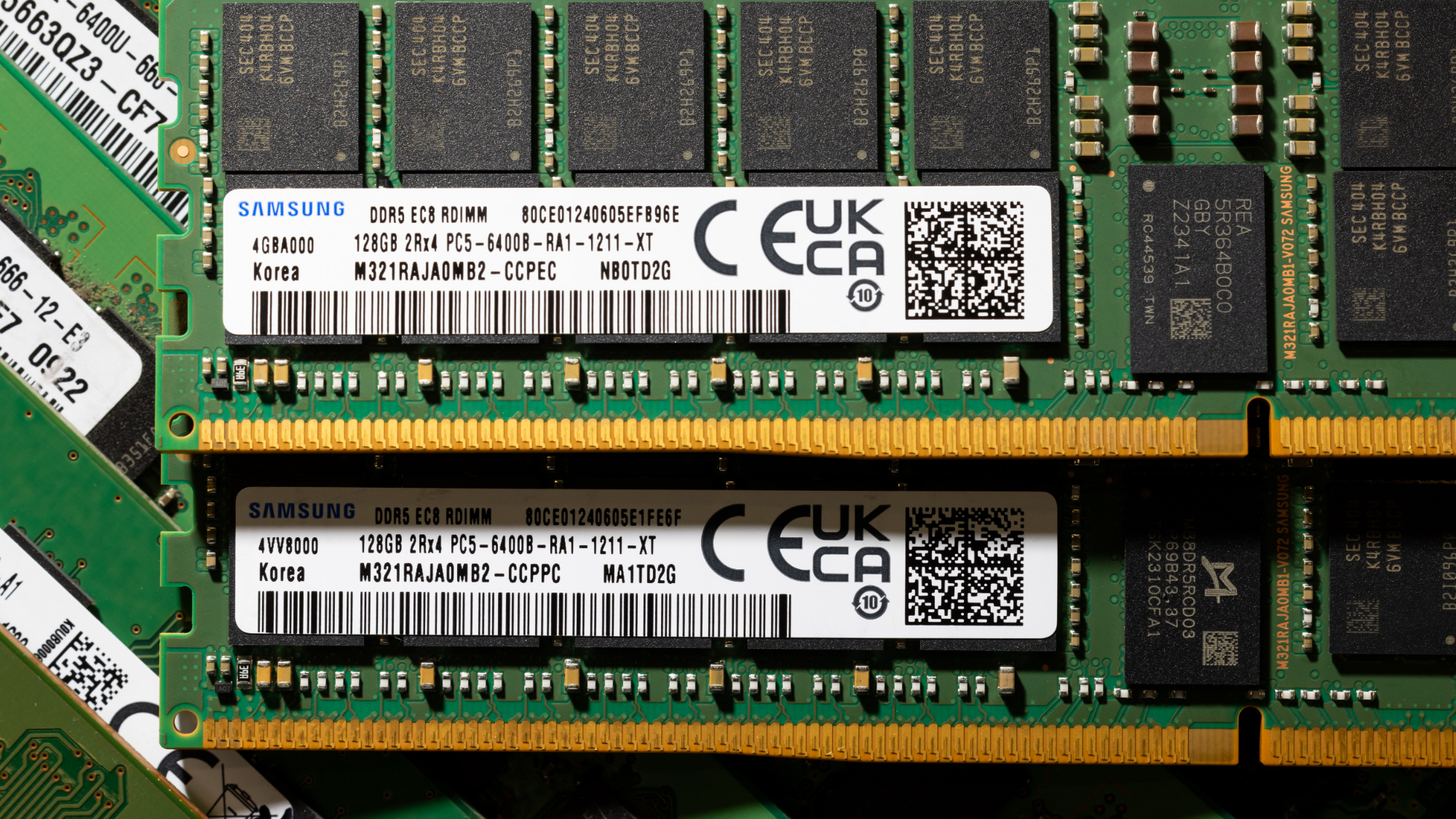
Memory prices may climb sharply through the rest of 2026, with a new forecast suggesting increases of 40% to 50% in the third quarter and another 30% to 40% in the fourth quarter. The outlook points to continued pressure on RAM, storage, PCs, laptops, smartphones, and other consumer electronics as AI infrastructure absorbs more of the available supply.
The forecast also suggests that prices may remain elevated through 2027. Any meaningful relief may not arrive until 2028, when new manufacturing capacity is expected to begin increasing supply at a more noticeable level.
For PC builders and buyers, the warning means that waiting for cheaper DDR5 memory may not be a safe strategy. Higher prices could spread further across complete systems as manufacturers pass rising component costs to customers.
Long Term Supply Deals Are Reducing Memory Available for Consumer Devices
A growing share of global memory production is reportedly being reserved through long term agreements between major chipmakers and large technology companies. These deals allow cloud providers, AI firms, and other strategic buyers to secure supply in advance.
That leaves less memory available for the open market, where PC makers, laptop brands, smartphone companies, console manufacturers, and smaller hardware businesses purchase components.
| Forecast period | Expected memory price movement |
|---|---|
| Third quarter of 2026 | Up 40% to 50% from the previous quarter |
| Fourth quarter of 2026 | Up another 30% to 40% from the previous quarter |
| Full year 2027 | Up 40% to 45% year over year |
| 2028 | Possible price moderation as supply expands |
Around half of available memory capacity is reportedly already covered by contracts, and that share could increase further. As more supply is committed before it reaches the general market, consumer products may face continued price increases.
AI Data Centers Are Changing the Memory Market
AI is now one of the largest forces shaping memory demand. Data centers need substantial amounts of DRAM, high bandwidth memory, and low power memory for training models, running AI inference, and supporting large cloud platforms.
This demand has encouraged memory makers to prioritize higher value products and major customers. Traditional consumer memory formats may receive less attention as suppliers focus on chips that serve AI accelerators and enterprise systems.
The result is pressure across many product categories. Desktop RAM kits have already become more expensive, while laptop and phone manufacturers may need to raise prices, reduce base memory configurations, or change their product plans to control costs.
New Factories Will Take Time to Improve Supply
More manufacturing capacity is being planned, but memory fabs take years to build and qualify. Even when new production lines begin operating, the extra capacity may not immediately match the scale of AI demand.
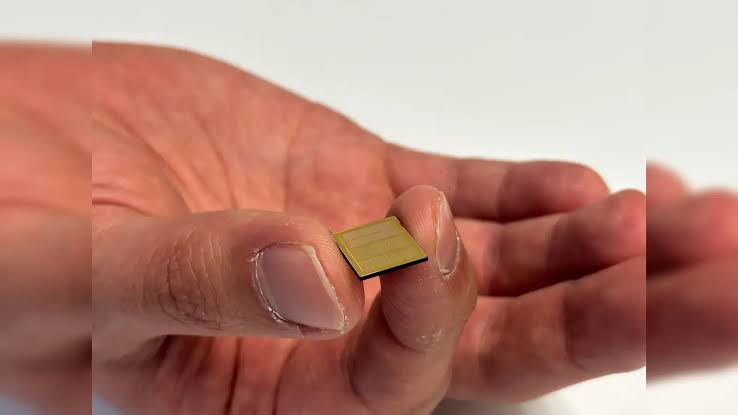
The forecast expects new capacity to add roughly 15% to 20% more supply by 2028. That could slow the price rise, but it may not return memory costs to the levels seen before the current shortage.
Chinese suppliers could become more important over time, particularly as companies such as CXMT and YMTC expand production. However, much of their near term supply is expected to serve domestic demand rather than provide immediate global price relief.
What PC Buyers Should Expect
Anyone planning a new PC build should keep a close eye on RAM prices, especially for larger DDR5 kits. Buying memory as part of a discounted motherboard and CPU bundle may offer better value than waiting for standalone kit prices to fall.
Upgrading to more capacity than you need today may also become harder to justify if prices continue rising. A practical approach is to choose enough memory for your current workload while avoiding expensive capacity upgrades that will not improve everyday performance.
The memory market may eventually stabilize, but the current outlook suggests that 2026 and 2027 could remain difficult years for affordable PC hardware.



Discussion (0)
Be the first to comment.