



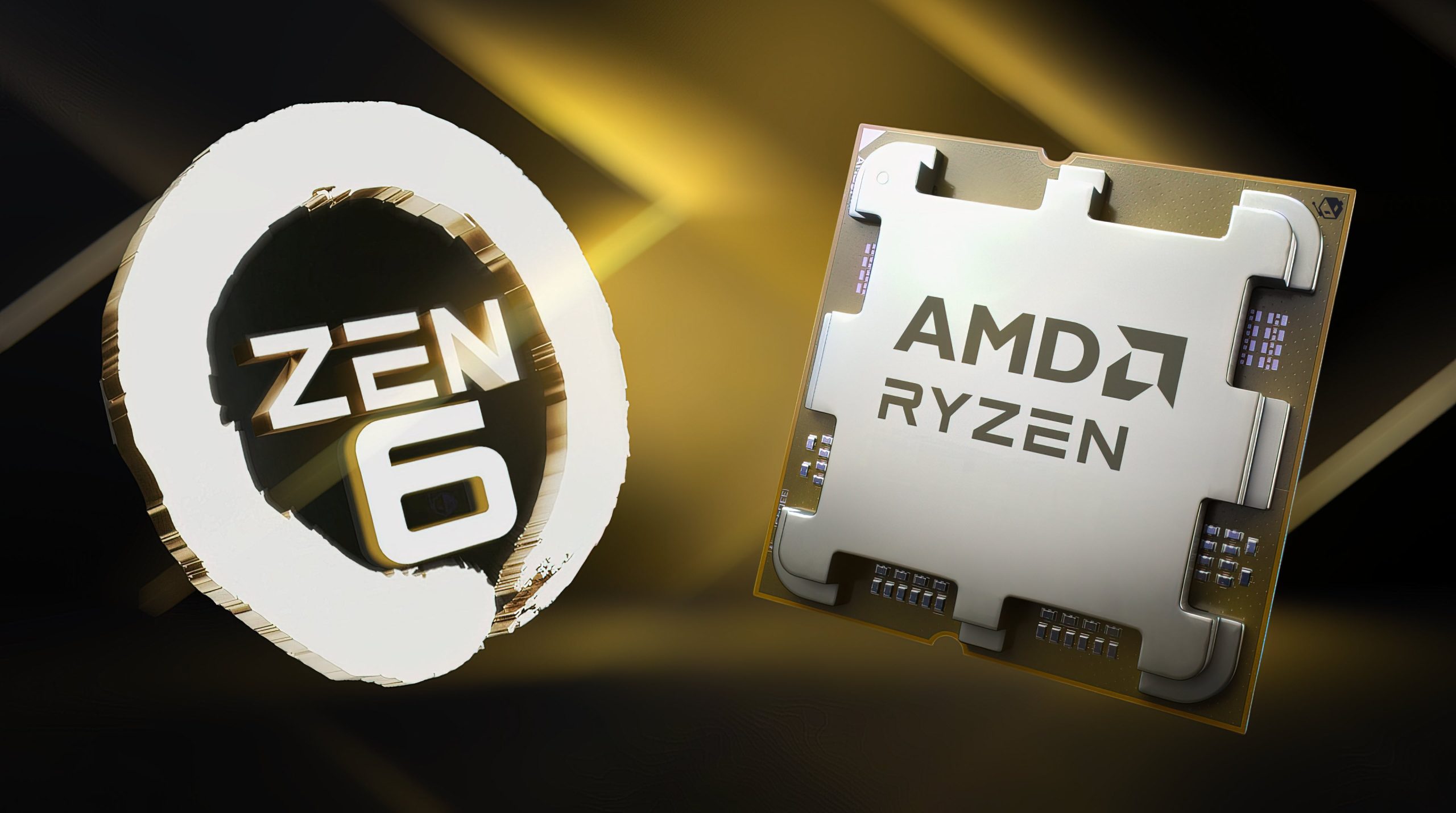
AIDA64 has released a new beta update with expanded support for AMD’s upcoming Zen 6 processor families, offering another sign that software developers are preparing for the next generation of Ryzen, Threadripper, EPYC, and APU chips.
The AIDA64 8.30.8332 beta includes preliminary or improved support for several AMD codenames linked to Zen 6. These include Olympic Ridge for desktop Ryzen processors, Mustang Peak for next generation Threadripper systems, Medusa for future APUs, and Venice for EPYC server chips.
The update does not confirm product launch dates, specifications, or final branding. However, monitoring software usually needs early CPU identification data before new platforms become available, so the additions show that the wider software ecosystem is beginning to prepare for AMD’s next architecture.
AIDA64 Lists Five Zen 6 Related AMD CPU Families
The latest beta lists multiple internal AMD families, each expected to serve a different part of the PC and server market.
| Codename | Expected product category | Platform focus |
|---|---|---|
| Olympic Ridge | Desktop Ryzen CPUs | Mainstream desktop PCs |
| Mustang Peak | Ryzen Threadripper CPUs | High end desktop and workstations |
| Medusa | Desktop and mobile APUs | Laptops and integrated graphics systems |
| Medusa 2 and 3 | Later APU variants | Mobile and desktop systems |
| Venice | EPYC server processors | Data centers and enterprise servers |
Olympic Ridge is expected to represent AMD’s next consumer desktop Ryzen family. It should follow the company’s current AM5 era processors, though AMD has not officially confirmed platform compatibility or chipset details.
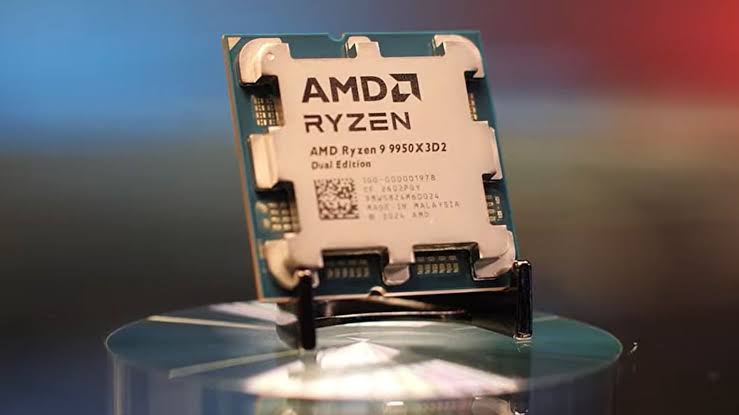
Mustang Peak is expected to target the next Threadripper generation for high end workstations. These processors are designed for workloads that need many CPU cores, large memory capacity, extensive PCIe connectivity, and heavy multitasking.
Venice is the codename associated with AMD’s future EPYC server range. The chips are expected to focus on cloud infrastructure, enterprise servers, AI systems, and other high density computing environments.
Medusa Could Cover Several Laptop and Desktop APU Designs
The Medusa naming is particularly interesting because it appears to cover multiple APU designs. AMD often uses its APU families across laptops, compact desktops, handheld gaming devices, and entry level systems that rely on integrated graphics.
AIDA64 now lists improved support for Medusa and Medusa 2 or 3. That could suggest AMD is preparing more than one configuration, possibly with different CPU core counts, integrated GPU designs, or chip layouts.
It remains unclear whether every Medusa product will use the same Zen 6 CPU cores. AMD frequently mixes architectures and graphics configurations across different product tiers, especially in mobile hardware.
ACE Support Points to Broader x86 AI Work
The new AIDA64 beta also adds extended CPUID support for ACE, short for AI Compute Extensions. This appears to be connected to work from the x86 Extension Advisory Group, which includes participation from AMD and Intel.
The goal of such extensions is to improve how x86 processors report and support future AI related capabilities. Details about real world implementation are still limited, but the addition shows that CPU software tools are beginning to account for new AI focused features at the instruction and platform level.
AIDA64 also added support for several Intel Xeon processor numbers and improved motherboard sensor information for newer ASUS and ASRock boards.
What This Update Means for PC Buyers
For most PC owners, the update does not change anything today. AIDA64 support simply ensures that the software can correctly identify upcoming processors and report information such as clocks, sensors, instruction sets, and platform details when the hardware arrives.
Still, the growing list of Zen 6 related codenames gives a clearer view of AMD’s expected roadmap. Desktop Ryzen, mobile APUs, Threadripper workstations, and EPYC servers all appear to be moving toward the next generation at the same time.
More official information will be needed before anyone can judge performance, pricing, socket support, or release timing. For now, AIDA64’s latest beta is one of the clearest signs yet that Zen 6 preparation is moving beyond internal planning and into the wider PC software ecosystem.



Discussion (0)
Be the first to comment.