



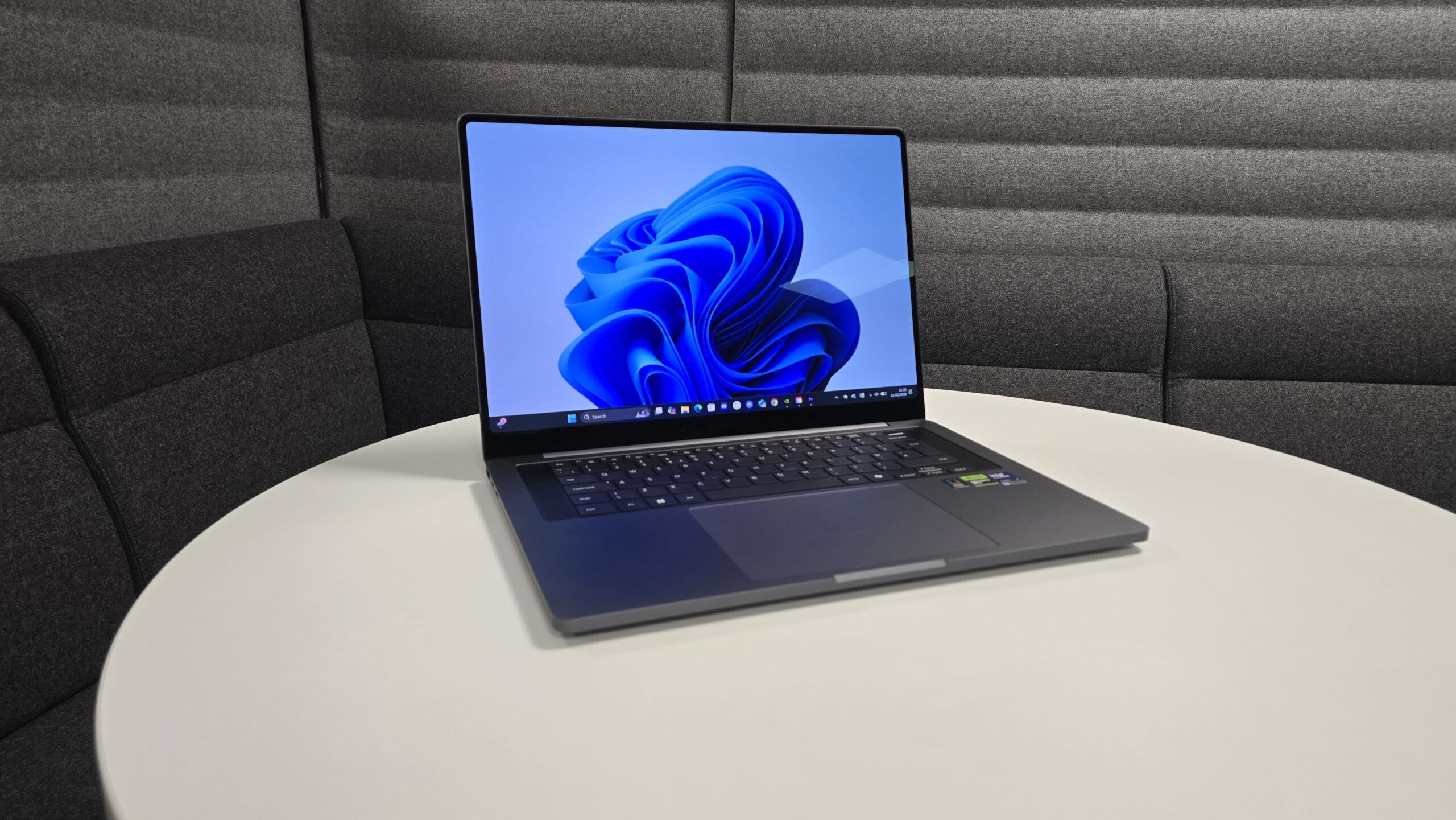
Samsung could be planning one of its biggest platform shifts yet. A new report claims the company is working on future Galaxy Book laptops that won’t run Windows at all, instead switching to Android 17 with One UI 9.
This is not confirmed yet—but if it happens, it would be a major change for both Samsung and the wider laptop market.
The idea: unify everything under Android
The reported plan is simple in theory. Samsung already runs Android (with One UI) across:
- Phones
- Tablets
- Wearables
Laptops are the last major category still tied to Windows. Moving Galaxy Books to Android would create a more unified ecosystem across all Samsung devices.
| Platform today | Possible future shift |
|---|---|
| Galaxy phones | Android + One UI |
| Galaxy tablets | Android + One UI |
| Galaxy laptops | Android + One UI instead of Windows |
The benefit would be tighter integration—apps, features, and services working more consistently across devices.
Timing lines up with Google’s bigger OS push
This report also comes at an interesting moment.
Google is expected to reveal a new operating system—referred to as “Aluminium OS”—which could replace or evolve ChromeOS. At the same time, there are rumors that Google may launch a new Pixel laptop using that system.
If Samsung moves to Android-based laptops, it could align with Google’s broader push to rethink what a “desktop OS” looks like.
But there are big risks
Dropping Windows is not a small decision. It comes with serious trade-offs:
| Challenge | Why it matters |
|---|---|
| App compatibility | Many PC apps don’t run on Android |
| Productivity tools | Windows still dominates work software |
| Gaming support | PC gaming ecosystem is built around Windows |
| User expectations | Laptop buyers expect desktop-class software |
Android has improved on larger screens, but it still is not a full replacement for Windows in many use cases.
This could explain Microsoft’s recent strategy shift
Interestingly, the report also hints at a wider industry trend.
With companies like Apple (with MacBooks) and now potentially Samsung exploring alternatives, Microsoft may be feeling pressure. That could be part of why it has recently:
- Focused more on improving Windows performance
- Reduced aggressive AI feature pushes
- Tried to clean up the overall Windows experience
If major OEMs start experimenting with non-Windows laptops, that pressure will only increase.
The bigger picture: laptops are entering a transition phase
This is not just about Samsung. It reflects a larger shift in computing:
- Apple already controls both hardware and software
- Google is pushing toward a unified Android/ChromeOS future
- Microsoft still dominates—but faces new competition
Samsung sits in the middle, and switching to Android laptops would be a way to reduce reliance on Windows while strengthening its own ecosystem.
The takeaway: interesting idea, but far from certain
Right now, this is still a report—not an official announcement. There is no confirmed launch timeline, and Samsung has not explained how it would handle key challenges like app support.
If it happens, it could:
- Shake up the laptop market
- Push Android further into productivity devices
- Increase competition for Windows
But it could also struggle if users feel it lacks the flexibility and power of a traditional PC.
For now, the idea is simple: Samsung may want full control over its ecosystem—but replacing Windows on laptops is one of the hardest ways to do it.

Discussion (0)
Be the first to comment.