



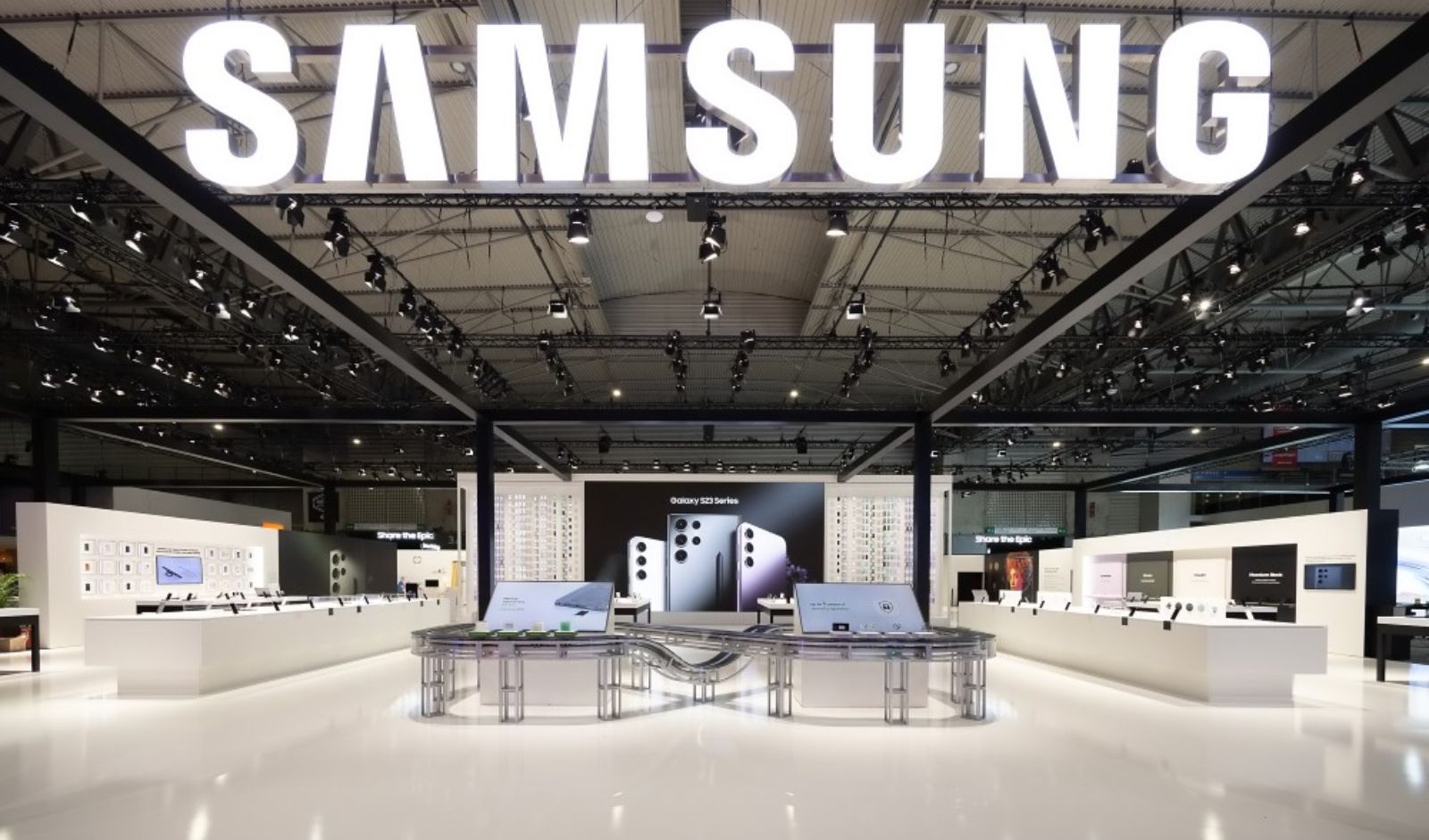
Samsung is reportedly facing a difficult labor fight at a time when its semiconductor business is becoming more important than ever.
According to the report, the company’s management has discussed the idea of spinning off its Device Solutions division, which handles its chip business, into a separate company. The idea appears to be linked to growing union pressure over pay and bonuses.
This would be a major move if Samsung ever went ahead with it. The DS division is one of Samsung’s most valuable businesses, especially because memory chips are in huge demand due to AI servers, data centers, and advanced computing. At the same time, other Samsung divisions, such as home appliances, do not generate the same level of profit. That difference is now becoming a problem inside the company.
Samsung’s chip business is making big money, but that success is also creating pressure from workers in other divisions
The main tension comes from compensation. The report says unionized workers are demanding bonuses equal to 15% of Samsung’s annual operating profit, which would amount to around $30 billion. If their demands are not met, workers are reportedly threatening an 18-day strike from May 21 to June 7.
That threat is serious because semiconductor production is not easy to stop and restart. Even though memory fabs are highly automated, they still need regular setup, checks, and maintenance. If work is paused for many days, getting production back to normal can take much longer than the strike itself.
The report says an 18-day strike could lead to a recovery period of up to 36 days. That would create real risk for Samsung at a time when memory supply is already tight and customers are demanding more advanced chips.
| Issue | Why it matters |
|---|---|
| Possible DS spin-off | Could separate Samsung’s chip business from lower-profit divisions |
| Bonus demands | Workers want a larger share of Samsung’s operating profit |
| Planned strike | Could disrupt chip production from May 21 to June 7 |
| Recovery time | Normal output may take much longer to restore after a shutdown |
| Shareholder risk | A split could face backlash if investors fear value loss |
The spin-off idea sounds like a way to reduce internal pressure. If the chip business became a separate company, Samsung could argue that profits from semiconductors should not directly shape pay expectations across every division. But that would also create a new problem. Samsung’s size and structure are part of its strength, and investors may not support a split if they believe it weakens the company.
This is why the idea should be treated carefully. The report does not say Samsung has formally decided to split the DS division. It says the idea was raised during discussions with South Korean government officials. That makes it important, but not final.
For now, the strike threat is the bigger immediate issue. Samsung needs its chip business running smoothly because AI demand has made memory and foundry operations more valuable. A long labor disruption could hurt production, customer confidence, and the wider supply chain.
Samsung’s challenge is now bigger than a normal pay dispute. The company has to balance worker demands, shareholder concerns, chip supply, and its long-term corporate structure. If the strike moves forward, the pressure on management will only grow.

Discussion (0)
Be the first to comment.