



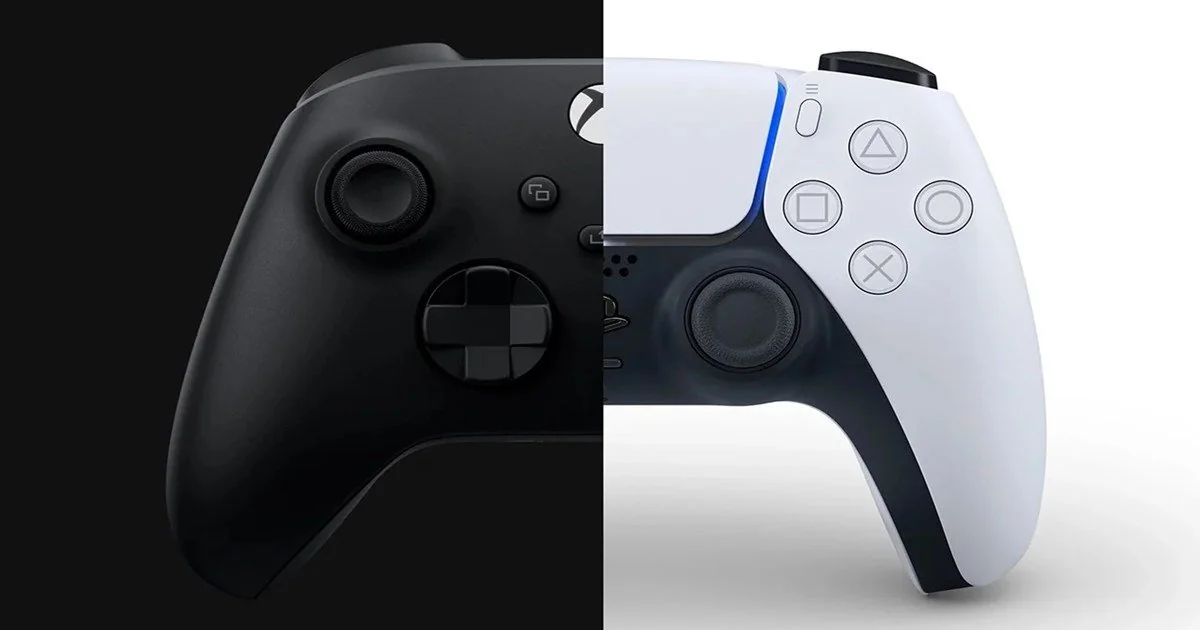
In a strange twist, Microsoft Flight Simulator 2024 is now offering more features on PlayStation than on Xbox.
The reason: virtual reality support has arrived on PS5—but not on Xbox consoles.
VR finally comes to PlayStation—but skips Xbox
The update brings:
- Full PlayStation VR2 support
- Compatibility with PS5 and PS5 Pro
This allows players to experience the game in full VR, adding a much deeper level of immersion—something already popular on PC.
Xbox still has no VR support at all
Despite being a Microsoft first-party title:
- Xbox consoles do not support VR
- There’s no official headset or platform integration
This creates an unusual situation:
| Platform | VR support in Flight Simulator |
|---|---|
| PC | Yes |
| PlayStation 5 | Yes (PS VR2) |
| Xbox Series X | S |
Why this feels unusual
Normally, first-party games showcase the best features on their own platform.
Here, it’s the opposite:
- A PlayStation feature (VR) is fully supported
- Xbox hardware is missing that capability entirely
It highlights a long-standing decision from Microsoft to avoid investing in VR.
Xbox’s VR gap is becoming more noticeable
This isn’t a new issue, but it’s becoming more visible:
- VR is still considered niche—but growing
- Sony has committed with PS VR2
- PC already supports multiple VR headsets
Meanwhile, Xbox has:
- No VR ecosystem
- No official headset support
- No clear roadmap for VR
Did Xbox miss an opportunity?
There are two ways to look at this:
Argument 1: Xbox missed out
- Could have offered a cheaper entry point into VR
- Could have leveraged Windows VR tech earlier
- Now feels behind in immersive features
Argument 2: Xbox avoided a risky market
- VR adoption is still limited
- Hardware costs are high
- Focus stayed on core gaming and services
The bigger takeaway: platform differences are shifting
This situation reflects a bigger trend:
- Xbox is becoming more platform-agnostic
- Its games are appearing everywhere
- But not every feature follows equally
In this case, PlayStation players benefit from hardware Xbox simply doesn’t support.
The bottom line
This isn’t just about one feature—it’s about direction.
- PlayStation is investing in hardware-driven experiences like VR
- Xbox is focusing on services, accessibility, and cross-platform play
For now, that means one surprising outcome:
PlayStation players are getting a more immersive version of a Microsoft game than Xbox users themselves.
Discussion (0)
Be the first to comment.