



NVIDIA’s next major data center CPU, Vera, is already attracting large AI customers before its wider rollout.
According to GF Holdings Hong Kong, early adopters for NVIDIA’s Vera CPU racks include CoreWeave, Meta, Oracle, and Alibaba. These companies have reportedly secured early access to Vera systems as demand for AI infrastructure expands beyond GPUs.
That is important because AI data centers are no longer only fighting for accelerators. Agentic AI workflows, inference systems, data processing, and large scale AI services also need powerful CPUs with high memory bandwidth and strong energy efficiency.
Vera is NVIDIA’s successor to Grace. It uses a custom Arm based architecture called Olympus and is designed for high performance AI data center workloads. NVIDIA plans to use Vera inside its Vera Rubin platform, but it also expects to sell Vera CPU systems as standalone products.
Here is the main Vera CPU picture:
| Feature | NVIDIA Vera CPU |
|---|---|
| Architecture | Custom Arm, codenamed Olympus |
| CPU cores | 88 |
| Threads | 176 with NVIDIA Spatial Multi Threading |
| NVLink C2C bandwidth | 1.8TB/s |
| System memory | Up to 1.5TB |
| Memory bandwidth | 1.2TB/s |
| Memory type | SOCAMM LPDDR5X |
| Performance claim | 2x Grace in data processing, compression, and CI/CD workloads |
Vera’s use of LPDDR5X is one of its most interesting details. NVIDIA says the CPU is built for high performance per watt, and LPDDR5X helps deliver large memory capacity and bandwidth with better efficiency than traditional server memory in some workloads.
That could make Vera attractive for AI inference and agentic workloads, where CPUs are increasingly important for orchestration, preprocessing, data movement, and feeding accelerators efficiently.
Alibaba’s name stands out because China is restricted from buying NVIDIA’s latest AI GPUs, including Rubin class products. If Alibaba is an early Vera CPU customer, it suggests demand for AI capable CPU infrastructure remains intense even where GPU access is limited.
The broader market is also moving in this direction. AMD and Intel are seeing strong data center CPU demand from AI workloads, while Arm is pushing AGI focused CPUs and Qualcomm is reportedly preparing its own data center CPU for 2028.
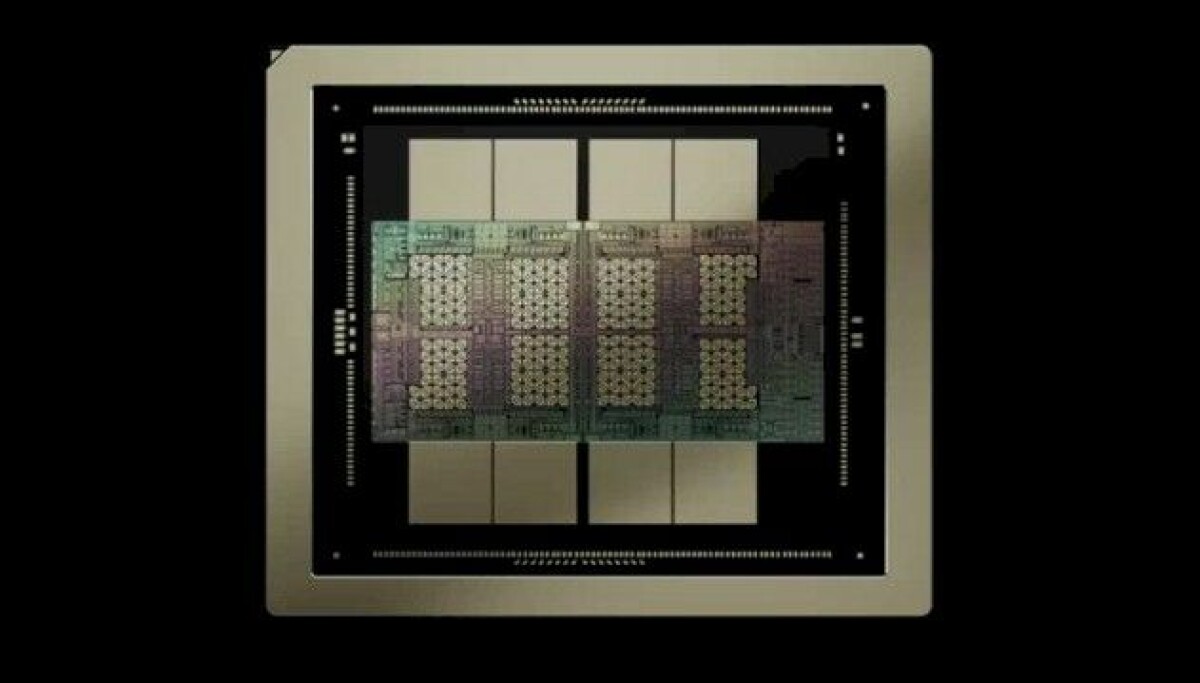
For NVIDIA, Vera opens another business front. The company already dominates AI accelerators, but CPUs could give it a larger share of the full AI rack. Instead of only selling GPUs and networking, NVIDIA can offer CPU platforms, rack scale systems, confidential compute, and tighter integration with Rubin GPUs.
The memory side could become another pressure point. If Vera racks scale quickly and each system supports up to 1.5TB of LPDDR5X, demand for high capacity LPDDR5X and SOCAMM modules could rise sharply. That may add more strain to an already tight memory market.
Vera Rubin is expected to launch in the second half of 2026, with rack production moving closer. If early buyers such as CoreWeave, Meta, Oracle, and Alibaba are already lined up, NVIDIA may have another multibillion dollar AI hardware business building beyond its GPUs.
Discussion (0)
Be the first to comment.