



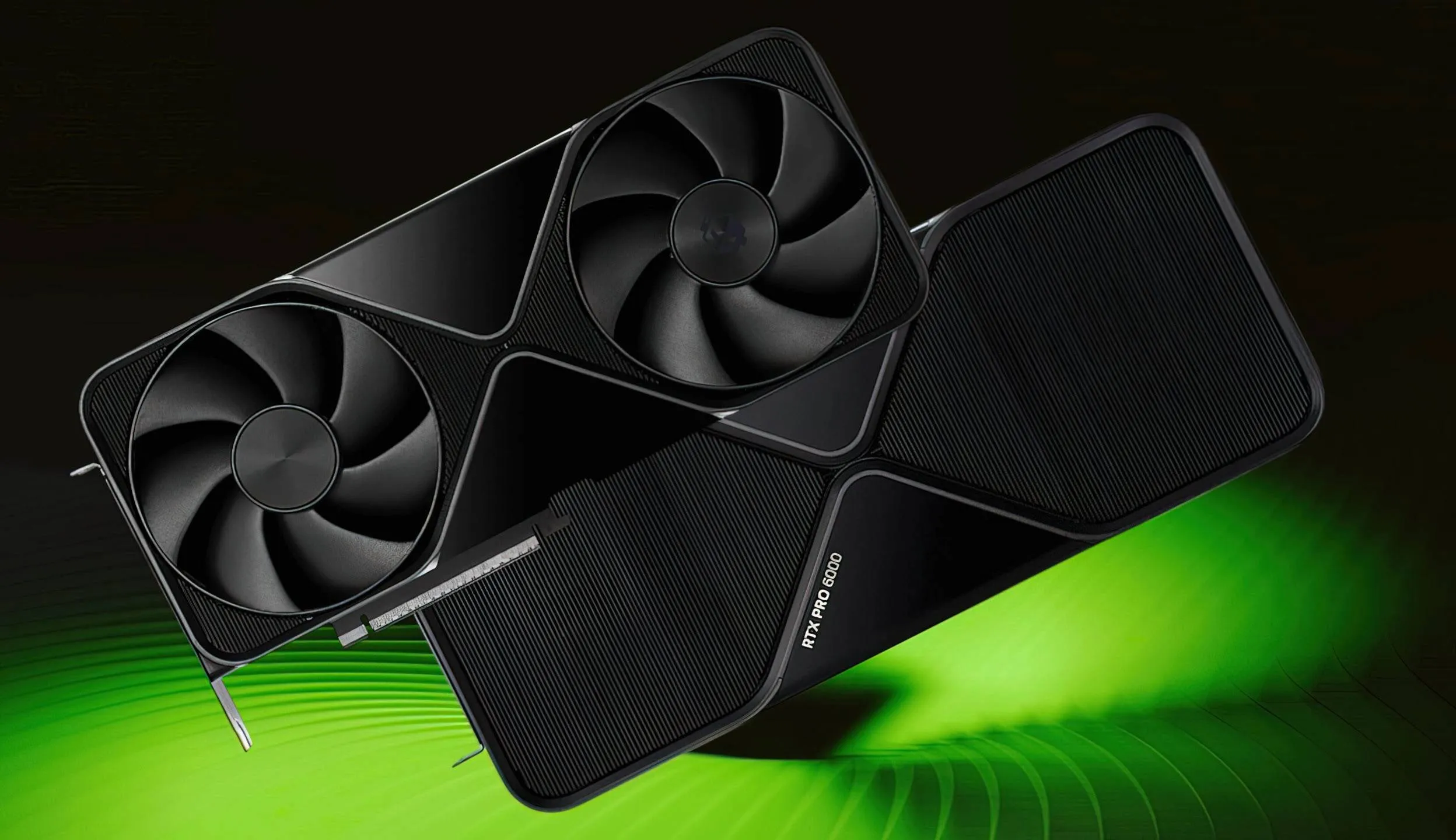
NVIDIA’s RTX PRO 6000 Blackwell has become much more expensive, with official marketplace listings now showing the 96GB professional GPU at $13,250. That is a sharp jump from the roughly $8,000 launch period pricing, making the card more than 60 percent more expensive than it was only a few months ago.
The increase affects both the standard RTX PRO 6000 Blackwell Workstation Edition and the Max Q version. NVIDIA never gave the card a traditional public MSRP in the same way it does for gaming GPUs, but the current price is still much higher than what buyers were seeing earlier this year.
The main reason appears to be the same problem affecting much of the high end PC hardware market right now: memory supply. The RTX PRO 6000 Blackwell uses 96GB of GDDR7 memory in a clamshell design, giving it one of the largest VRAM capacities ever placed on a discrete graphics board. That makes it valuable for AI, rendering, simulation, and professional workloads, but also makes it vulnerable to memory shortages.
RTX PRO 6000 Blackwell is being pushed higher by AI demand
The RTX PRO 6000 Blackwell is not aimed at regular gamers. It is a professional graphics card built for users who need massive memory capacity and high compute performance. That includes AI developers, workstation users, researchers, 3D artists, and companies working with large models or heavy visualization workloads.
Its 96GB VRAM capacity is a major reason demand remains strong. Many AI and professional tasks benefit from more memory, especially when working with large datasets or models that cannot fit comfortably on smaller GPUs.
| GPU | Current reported price | Key issue |
|---|---|---|
| RTX PRO 6000 Blackwell | $13,250 | 96GB GDDR7 supply and AI demand |
| RTX PRO 6000 Blackwell Max Q | $13,250 | Same high memory pressure |
| RTX 5090 | Above $4,000 at major retailers | High demand and limited availability |
This is why the card can keep rising in price even though it is already extremely expensive. Buyers who need this class of hardware often have few practical alternatives.
The RTX 5090 is also getting harder to buy at reasonable prices
The pressure is not limited to professional GPUs. NVIDIA’s GeForce RTX 5090 is also climbing well above its original price. The card launched with a $1,999 MSRP, but current listings are now above $4,000 at major retailers.
That means the fastest consumer gaming GPU is now selling for more than twice its launch price. Some custom models were previously seen under $4,000, but the cheapest current listings are now around $4,179 to $4,199.
For gamers, this is a major problem. The RTX 5090 was already an expensive flagship card, but its current price pushes it far outside the reach of many enthusiasts.
Memory shortages are making flagship GPUs harder to price normally
The common thread is memory. The RTX PRO 6000 Blackwell uses a very large amount of GDDR7, while the RTX 5090 also depends on high end memory supply. As memory prices rise and availability tightens, premium GPUs are among the first products to feel the impact.
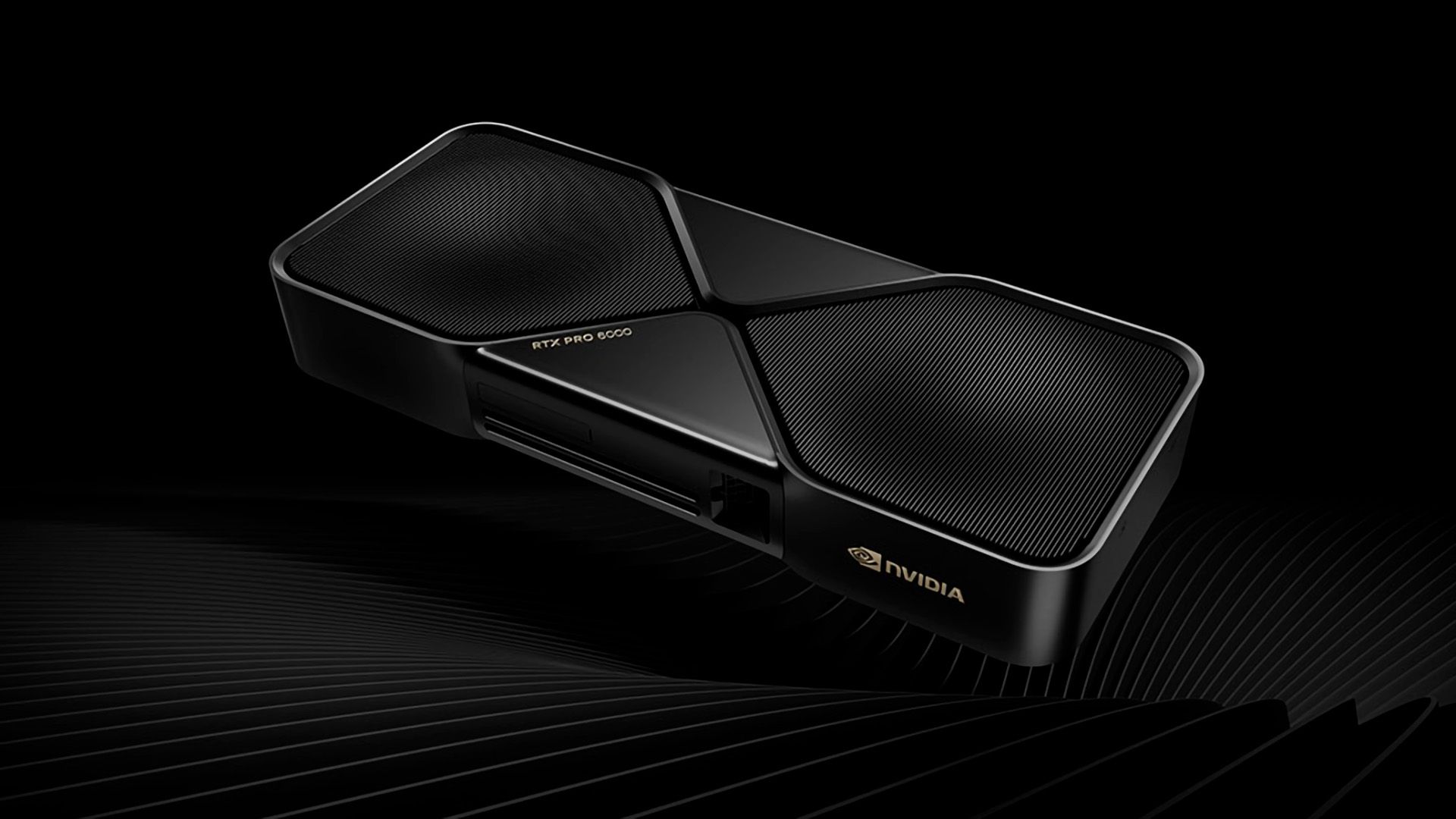
AI demand makes the issue worse. Professional users and AI buyers are still willing to pay high prices for GPUs with large memory pools and strong performance. That keeps demand high even when prices rise.
For NVIDIA, this creates a market where its fastest products remain desirable despite steep prices. For customers, it creates a much more difficult buying environment.
The price gap between professional and gaming GPUs is becoming harder to ignore
The RTX PRO 6000 Blackwell at $13,250 is clearly in workstation territory, but the RTX 5090 crossing $4,000 shows how the consumer market is also being pulled upward.
The old separation between gaming demand and professional demand is becoming weaker. AI buyers often purchase high end gaming cards when professional cards are too expensive or unavailable. That adds pressure to GeForce supply and leaves gamers competing with buyers who may have much larger budgets.
This has been one of the biggest hardware market shifts in recent years. Flagship GPUs are no longer judged only by gaming performance. Their memory capacity and AI usefulness now matter just as much, and sometimes more.
Buyers may have to wait longer for prices to settle
There is no clear sign that the situation will improve quickly. As long as GDDR7 supply remains tight and AI demand stays strong, high end NVIDIA cards may continue selling at premium prices.
The RTX PRO 6000 Blackwell is still valuable for professional users who need 96GB of VRAM and Blackwell level performance. But the current $13,250 price makes it a much harder purchase for smaller studios, independent professionals, and researchers with limited budgets.
The RTX 5090 price surge is just as frustrating for gamers. A card that was already expensive at launch is now priced like a workstation product in many listings.
For now, NVIDIA’s fastest GPUs remain in high demand, but the market around them is becoming increasingly difficult. Cutting edge performance is available, but buyers are paying far more for it than expected.



Discussion (0)
Be the first to comment.