



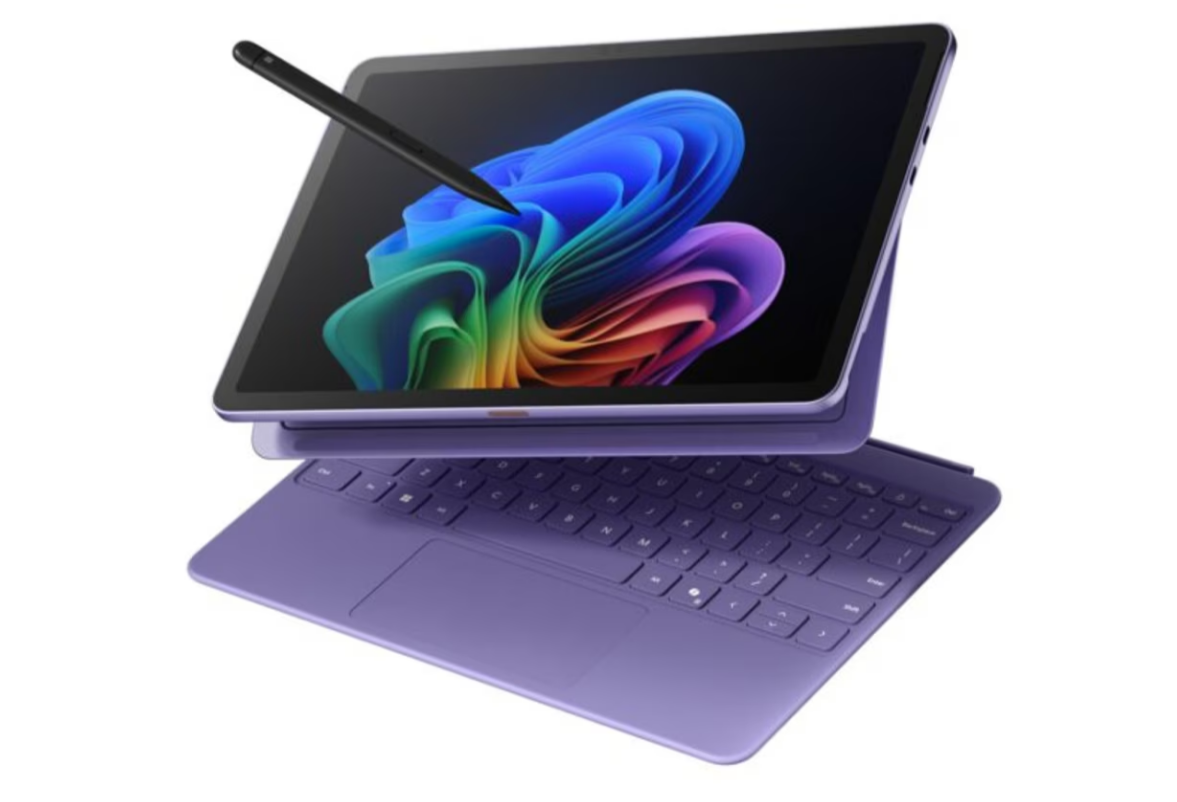
Microsoft appears to be working on a smaller Surface Pro, based on recent certification listings ahead of a rumored launch. While details are still limited, the direction itself is more interesting than the leak.
A compact Surface Pro isn’t just another variant. It reflects how usage patterns are shifting toward portability, especially with lighter workflows and more efficient hardware.
What Is the Smaller Surface Pro?
The device hasn’t been officially announced, but certification filings suggest Microsoft is preparing a new, smaller version of the Surface Pro.
Microsoft Surface Pro has traditionally focused on balancing tablet portability with laptop-like productivity. A smaller model would push that balance further toward portability.
Think of it less as a replacement and more as an alternative within the lineup.
What We Can Expect (Based on Current Direction)
While specifications aren’t confirmed, the trend is fairly clear.
A smaller Surface Pro would likely include:
- A more compact display and lighter form factor
- ARM-based processors for better efficiency
- Improved battery life compared to larger models
- Continued support for touch and pen input
Microsoft has already been moving toward more efficient, AI-capable hardware. A smaller device fits naturally into that strategy.
Why Microsoft Would Build a Smaller Surface Pro
This isn’t happening in isolation.
There’s growing demand for devices that are:
- Lightweight and easy to carry
- Capable of handling everyday productivity
- Comfortable for both touch and keyboard use
Traditional laptops are still dominant, but compact devices are becoming more relevant, especially for students, professionals on the move, and hybrid workflows.
A smaller Surface Pro would target that space directly.
Real-World Usage: Who This Device Is For
A compact Surface Pro makes the most sense for users who prioritize portability over raw performance.
It’s likely to appeal to:
- Students and frequent travelers
- Professionals who work on the go
- Users who prefer tablet-style interaction
- People who don’t need heavy computing power
If your workflow is centered around documents, browsing, communication, and light creative tasks, this kind of device fits well.
The Trade-Off: Portability vs Power
Making a device smaller always involves trade-offs.
A compact Surface Pro would likely have:
- Lower peak performance compared to larger models
- Fewer ports
- Potential limitations for heavy workloads
This doesn’t make it worse. It just makes it more specialized.
The goal isn’t to replace high-performance laptops. It’s to offer a more convenient alternative for everyday use.
How It Fits Into Microsoft’s Strategy
Microsoft has been gradually refining the Surface lineup rather than expanding it aggressively.
A smaller Surface Pro aligns with:
- Increased focus on ARM and efficiency
- Integration of AI features into everyday workflows
- Demand for more portable devices
It also helps Microsoft compete in a space where compact, high-efficiency devices are becoming more common.
Limitations and What’s Still Unknown
Since the device isn’t officially announced, there are still unanswered questions.
We don’t know:
- Exact specifications
- Pricing
- Release timeline
- Performance benchmarks
Certification listings confirm that something is coming, but not how it will compare to existing models.
The Bigger Picture
This move reflects a broader trend in computing.
Devices are becoming more specialized. Instead of one device trying to do everything, users are choosing devices that match their specific needs.
A smaller Surface Pro fits into that shift.
Final Thoughts
A compact Surface Pro isn’t a dramatic change, but it’s a logical one.
It builds on what the Surface lineup already does well while adapting to how people actually use their devices today.
If Microsoft executes it properly, it could become a strong option for users who value portability and efficiency over raw power.
FAQs
Is Microsoft releasing a smaller Surface Pro?
It hasn’t been officially announced, but certification listings suggest it’s in development.
How will it differ from current Surface Pro models?
It will likely be more compact, lighter, and focused on efficiency.
Will it use ARM processors?
That’s likely, based on Microsoft’s recent hardware direction.
Who is it designed for?
Users who prioritize portability and light productivity tasks.
When will it be released?
There’s no confirmed release date yet.
Discussion (0)
Be the first to comment.