



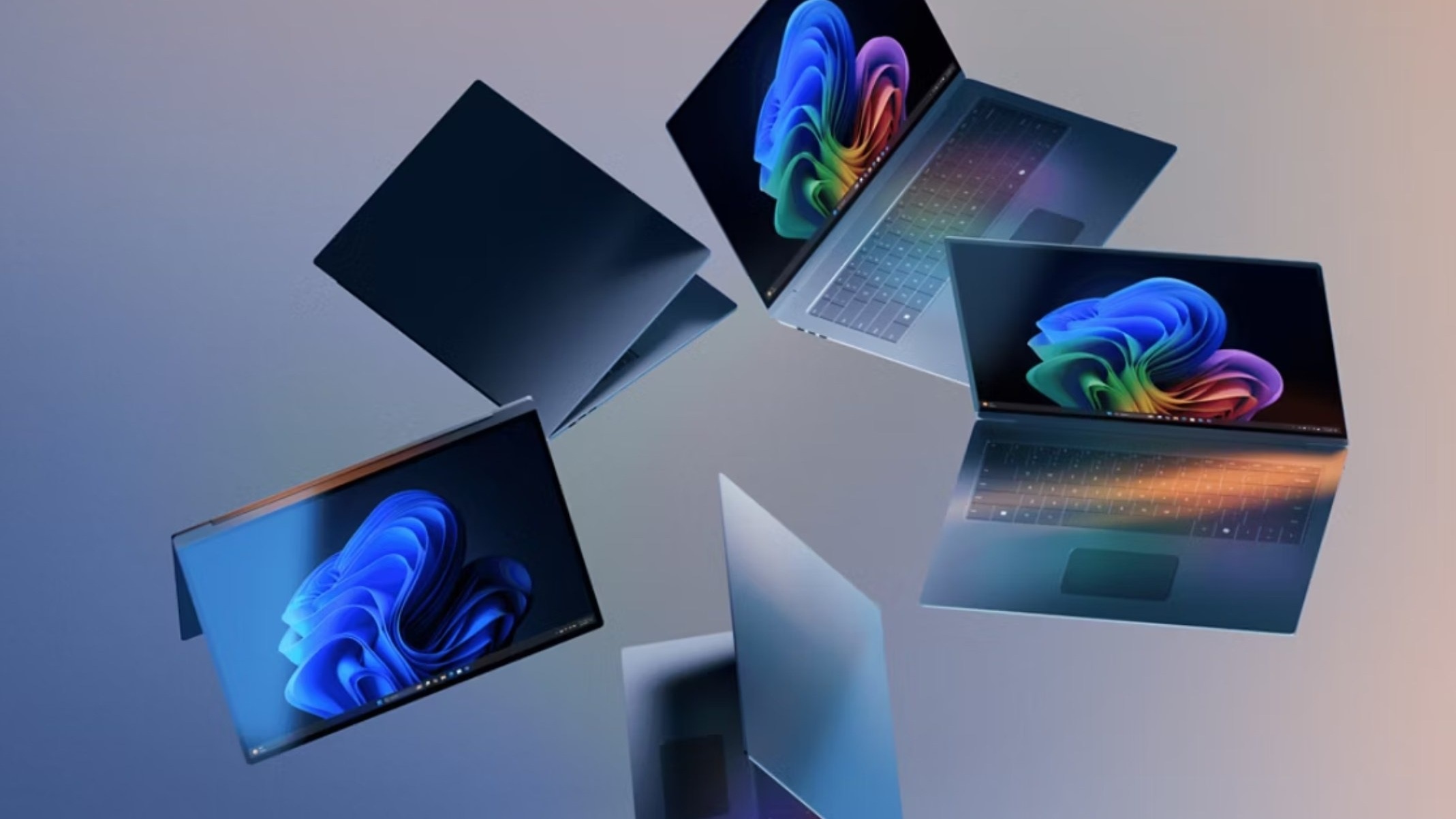
Microsoft has confirmed that it is continuing to improve Windows 11 performance, with work focused on faster boot times, better Windows Hello responsiveness, and smoother operation on PCs with 8GB of RAM.
The company has not shared benchmark figures or a firm release date for these improvements, so it is still unclear when you will see the full set of changes on your PC.
The update builds on Microsoft's broader effort to improve Windows 11 fundamentals rather than adding only new features.
| Area | Planned improvement |
|---|---|
| Boot performance | Faster startup times |
| Windows Hello | Improved responsiveness |
| 8GB RAM systems | Lower memory pressure and better efficiency |
| Release date | Not confirmed |
| Performance figures | Not disclosed |
| Delivery method | Expected through Windows updates |
Microsoft Says Windows 11 Boot Performance Has Improved
Microsoft's Corporate Vice President of Windows and Devices, Mark Linton, said the company has made gains in areas such as boot time.
However, Microsoft has not provided specific numbers showing how much faster Windows 11 now starts.
The company is also working on Windows Hello responsiveness, which could reduce delays when signing in through supported biometric methods.
These improvements are part of Microsoft's continuing work on the basic performance and reliability of Windows 11.
Rather than arriving as one clearly defined upgrade, some of the changes may appear gradually through regular Windows updates.
8GB PCs Are a Major Focus
Microsoft is also continuing its effort to optimize Windows 11 for computers with 8GB of RAM.
That has become more important as some laptop manufacturers return to 8GB base configurations.
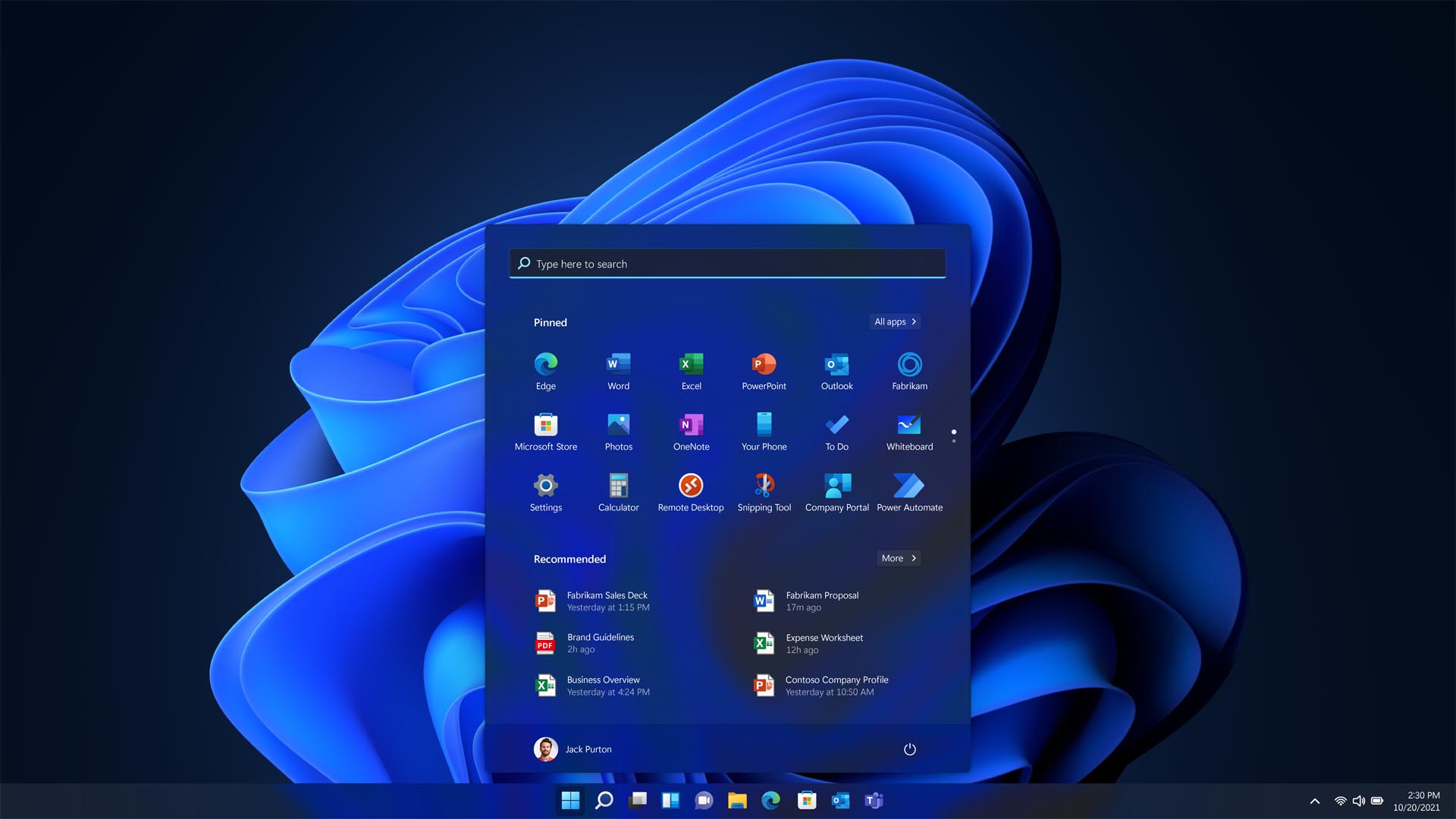
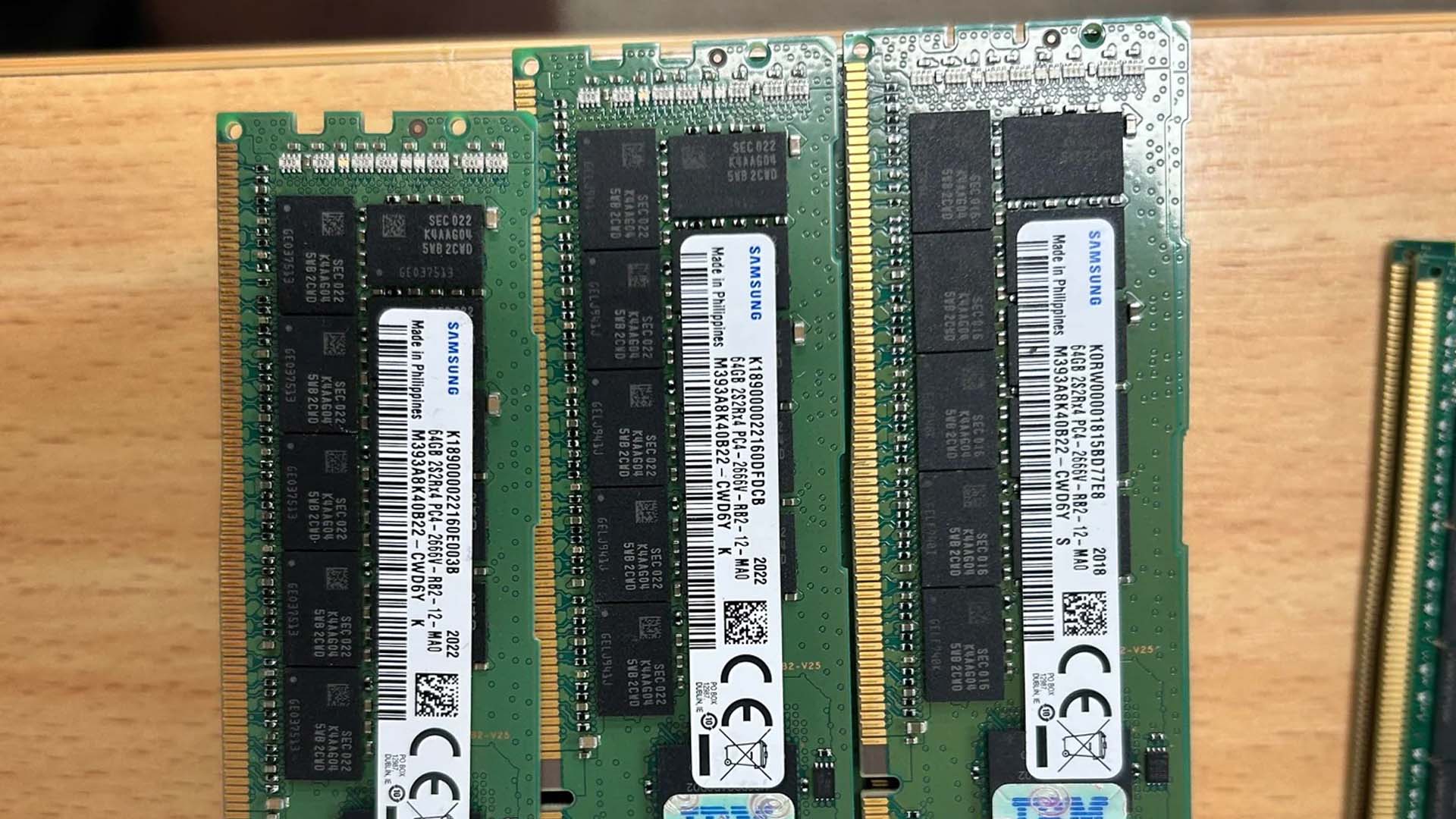
Memory costs and broader DRAM supply pressures have encouraged manufacturers to reduce entry level specifications on some systems that previously may have started with 16GB.
Windows 11 can use a large portion of available memory even before demanding applications are opened, leaving less space for browsers, productivity software, games, and background processes.
Reducing the operating system's memory footprint could therefore make a noticeable difference on lower memory PCs.
Microsoft Has Not Shared Performance Targets
The company has not disclosed how much memory it expects to save through the new optimization work.
It also has not said whether these changes will be tied to a particular Windows 11 feature update.
That means there is currently no confirmed target for how much faster an 8GB PC should feel after the improvements arrive.
The practical benefit will likely depend on the individual system, installed software, background services, and workload.
A PC with 8GB of RAM will still have less capacity than a 16GB system, even if Windows becomes more efficient.
Windows 11 Is Receiving Smaller Quality Improvements Too
Microsoft has also been making several smaller changes to Windows 11 alongside its performance work.
Recent improvements include giving people more control over OneDrive reminders and expanding Phone Link functionality.
Android phone owners are also gaining the ability to remotely restart or shut down supported Windows PCs through Phone Link.
These additions suggest Microsoft is improving Windows 11 through a mixture of interface changes, connected device features, and lower level performance work.
Release Timing Remains Unclear
The biggest unanswered question is when the boot and memory improvements will become broadly available.
Microsoft has confirmed that the work is underway, but it has not attached the changes to a specific release or provided a rollout schedule.
It is also possible that some improvements will arrive independently rather than through one major update.
For people using older or more affordable PCs, the 8GB optimization work could be especially important because reducing Windows 11's baseline memory use would leave more resources available for everyday applications.
For now, Microsoft has confirmed the direction of the work, but measurable performance gains and a clear release timeline are still missing.

Discussion (0)
Be the first to comment.