



Micron has signed 16 long term agreements with major memory customers, a move that suggests high DRAM prices and limited supply could continue for years. The agreements reportedly secure memory volumes for five years and include terms designed to prevent customers from walking away if market conditions change.
The company has described the deals as Strategic Customer Agreements, or SCAs. They cover annual memory volumes and are aimed at large buyers, including hyperscalers that need huge amounts of DRAM and high bandwidth memory for AI infrastructure.
The agreements arrive as demand for AI servers continues to place pressure on the global memory market. High bandwidth memory, standard DRAM, LPDDR, and enterprise SSD products are all facing tighter supply, while consumer PC makers are dealing with higher component costs.
Micron’s new approach could give its largest customers more predictable access to memory. However, it may also mean less flexibility for companies that want to reduce their orders later.
The Agreements Use a Take or Pay Structure
The reported SCAs are based on a take or pay system. Customers commit to buying a specified volume of memory over a five year period, and the agreement includes safeguards if they fail to purchase the amount they promised.
Micron reportedly has 16 of these agreements in place. The company has not named the customers, but the group is believed to include hyperscale cloud companies and other major buyers of AI focused memory products.
Each agreement includes a price range with a floor and a ceiling. Pricing can be adjusted every quarter based on market conditions, but it cannot fall below the agreed floor or rise above the agreed ceiling.
| Agreement Detail | Reported Structure |
|---|---|
| Contract length | Five years |
| Number of agreements | 16 |
| Customer commitment | Annual memory purchase volumes |
| Pricing | Adjusted quarterly within a set range |
| Cancellation | Customers cannot simply exit the deal |
| Financial protection | Upfront cash deposits and commitments |
| Reported deposits | More than $22 billion |
The agreements reportedly include more than $22 billion in cash and financial commitments, including around $18 billion in deposits. Those deposits can be returned over time, but they may also act as protection for Micron if a customer does not meet its agreed purchase volume.
AI Demand Is Reshaping How Memory Is Sold
Memory companies have traditionally sold DRAM and NAND through shorter term contracts and spot market pricing. The new agreements suggest Micron is trying to secure more predictable demand and funding as it expands production for AI customers.
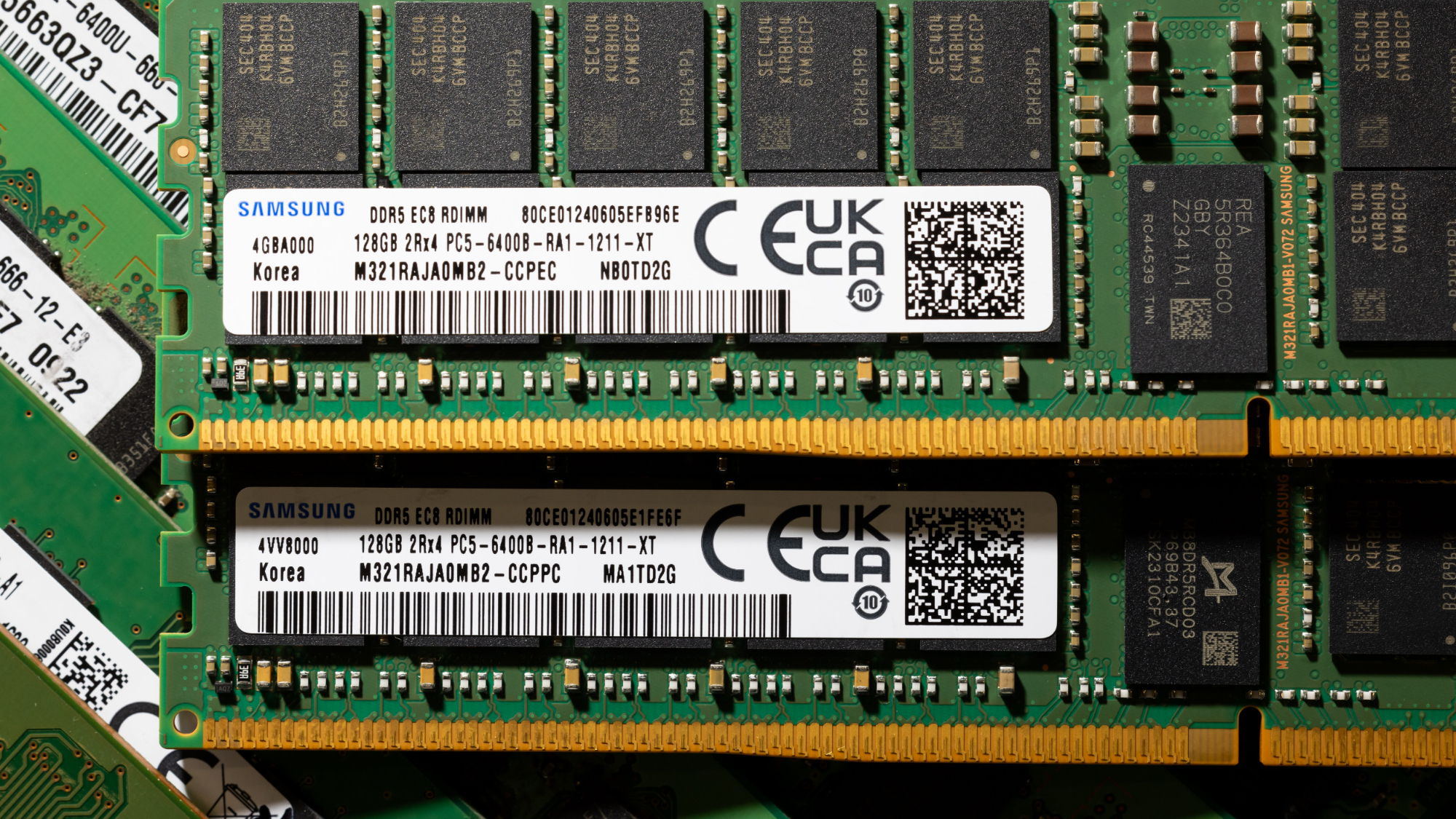
AI systems need large amounts of HBM, DDR memory, LPDDR, and storage. Training and running advanced models requires vast clusters of GPUs and servers, each of which needs high bandwidth and high capacity memory.
That demand has created a difficult situation for consumer hardware. PC makers, laptop brands, smartphone companies, and DIY builders are competing for supply with companies that can buy memory in far larger volumes.
Micron has reportedly said that DRAM supply remains especially constrained, while NAND is also tight but less severe. The company expects new manufacturing capacity to begin contributing more meaningfully around 2028, but it does not expect supply to fully catch up with demand quickly.
Consumer Hardware Prices Could Stay Under Pressure
The biggest concern for consumers is that memory shortages may not ease soon. Higher DRAM and NAND prices can affect laptops, desktops, smartphones, game consoles, SSDs, graphics cards, and other devices.
New memory technologies such as LPDDR6, DDR6, and future HBM products are also expected to command premium prices. That means companies building new devices may face increased costs even as they try to offer more memory and storage.
Micron’s five year agreements do not guarantee that consumer memory prices will rise forever. But they show that large memory suppliers expect demand to remain strong enough to justify long term commitments from their biggest customers.
For PC buyers and builders, the message is simple. Memory supply may remain difficult well beyond the current shortage, and waiting for prices to return to older levels may not be a realistic plan.



Discussion (0)
Be the first to comment.