



NASA is considering a rover based on Mars Perseverance hardware for future Moon Base missions, with nuclear power emerging as a possible solution for keeping it active in the Moon’s darkest and coldest regions.
The concept rover, known as PROMISE, could eventually operate near the lunar South Pole, where permanently shadowed craters may contain frozen water and other useful resources. These locations are among the hardest places to explore because sunlight can disappear for weeks, temperatures can fall far below what conventional electronics can handle, and solar panels may not provide enough power.
NASA has not confirmed the final design or power source for PROMISE. However, the agency is exploring radioisotope heating and power systems that could help future lunar hardware survive long periods without sunlight.
NASA Is Expanding Its Moon Base Delivery Program
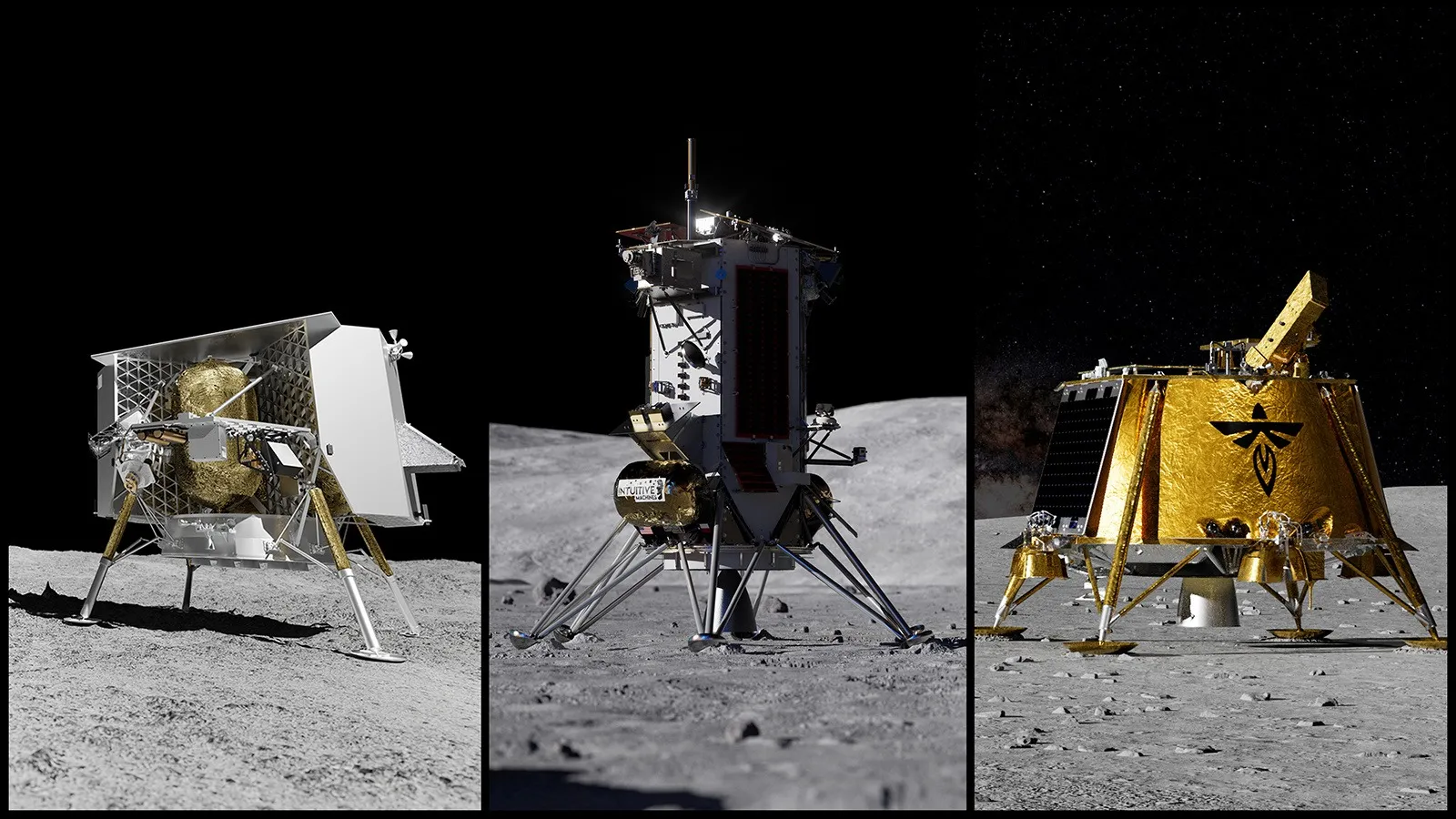
NASA has awarded nearly $600 million for four additional lunar delivery missions planned for late 2028. The contracts are part of the Commercial Lunar Payload Services program, which uses private companies to transport NASA science equipment and technology demonstrations to the Moon.
Astrobotic received the largest share of the funding for two missions, while Firefly Aerospace and Intuitive Machines received contracts for one mission each.
| Company | Award value | Planned missions |
|---|---|---|
| Astrobotic | $297.9 million | Two lunar deliveries |
| Firefly Aerospace | $144.2 million | One lunar delivery |
| Intuitive Machines | $148.3 million | One lunar delivery |
These missions will bring NASA’s planned commercial lunar surface deliveries to 17. The goal is to send robots and instruments first, gather data, test equipment, and reduce risks before long-term human missions begin.
Each Lander Will Carry the Same Science Payloads
The four planned landers are expected to carry three matching NASA payloads. Flying the same equipment to several locations can give scientists more useful comparisons across different parts of the lunar surface.
| Payload | Main purpose |
|---|---|
| SCALPSS | Studies dust kicked up by lander engines |
| Laser Retroreflector Array | Provides a navigation reference point |
| LETS | Measures radiation on the lunar surface |
SCALPSS will use stereo cameras to record how lunar dust behaves during landings. That data could help NASA design safer landers and protect nearby equipment from dust damage.
The Laser Retroreflector Array will act as a permanent marker that future spacecraft can use for navigation. LETS will measure radiation exposure, which is essential for protecting future astronauts and planning long-duration missions.
PROMISE Could Search for Water and Map the Lunar Surface
PROMISE stands for Polar Rover for Observation, Mapping, and In-Situ Exploration. NASA describes it as an engineering development version of the Mars Perseverance rover.
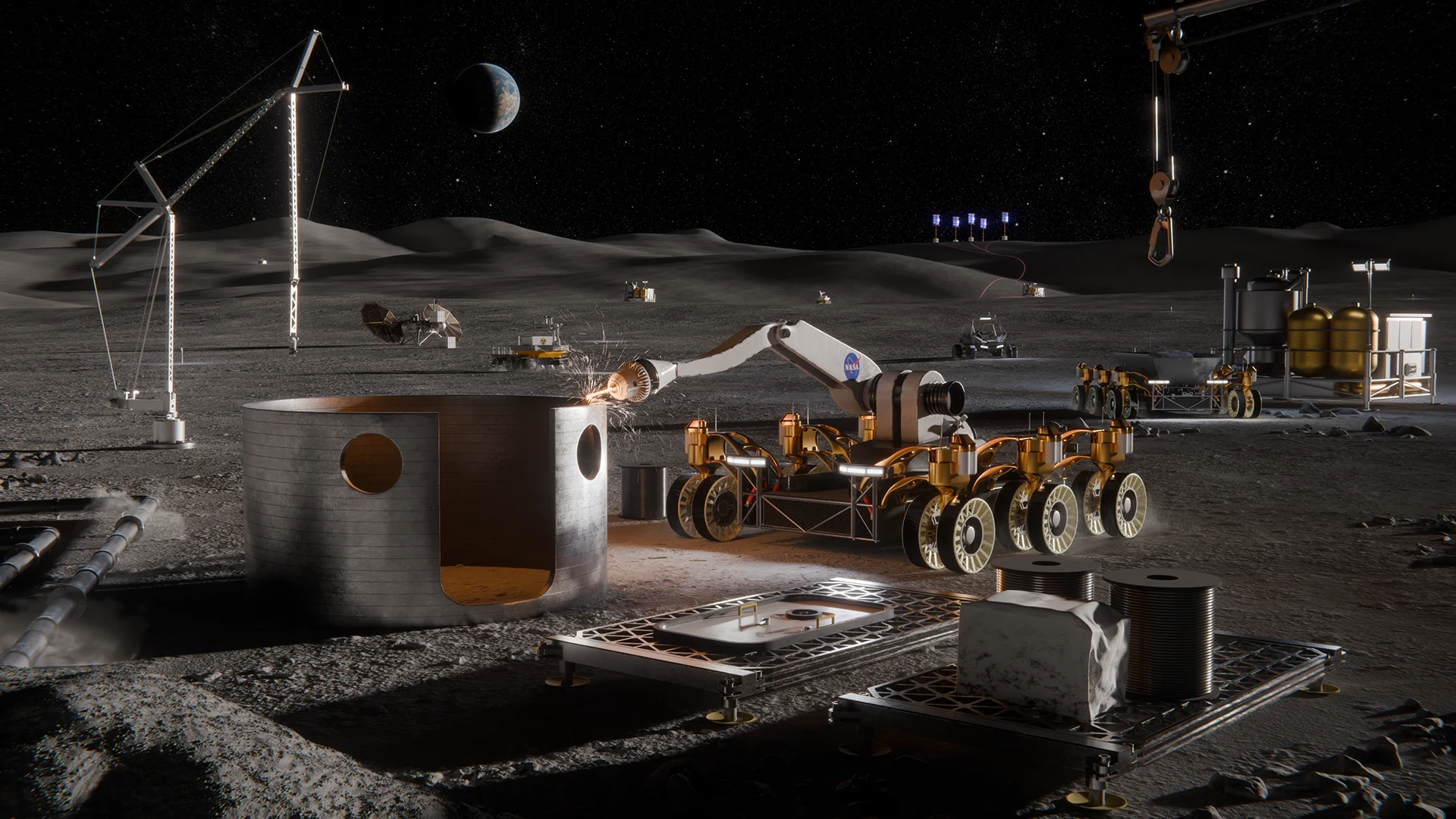
The early concept is expected to focus on mapping the surface and subsurface near the lunar South Pole. It may also search for frozen water and other materials that could support future Moon Base operations.
Water ice is especially important because it could potentially be used for drinking water, oxygen production, and rocket fuel.
Nuclear Power Could Help the Rover Survive the Lunar Night
The lunar South Pole is difficult because some craters have not received sunlight for billions of years. Temperatures inside these regions can fall to around minus 334 degrees Fahrenheit, while nearby areas exposed to sunlight can become extremely hot.
Solar panels can work in bright areas, but they become far less useful when a rover enters shadowed terrain or faces a long lunar night.
| Lunar challenge | Why nuclear power may help |
|---|---|
| Weeks of darkness | Does not rely on sunlight |
| Extreme cold | Can provide heat for sensitive hardware |
| Shadowed craters | Allows exploration where solar power fails |
| Long missions | Provides steadier energy over time |
A radioisotope power system would generate electricity and heat from naturally decaying plutonium. Similar technology has helped NASA operate Mars rovers such as Curiosity and Perseverance for years.
NASA is also preparing other Moon Base technologies, including vertical solar arrays, oxygen production systems, communications relays, navigation networks, in-space manufacturing, and advanced materials.
The agency’s approach is clear: robots will test the environment first, while the systems needed for permanent human activity are built step by step.



Discussion (0)
Be the first to comment.