



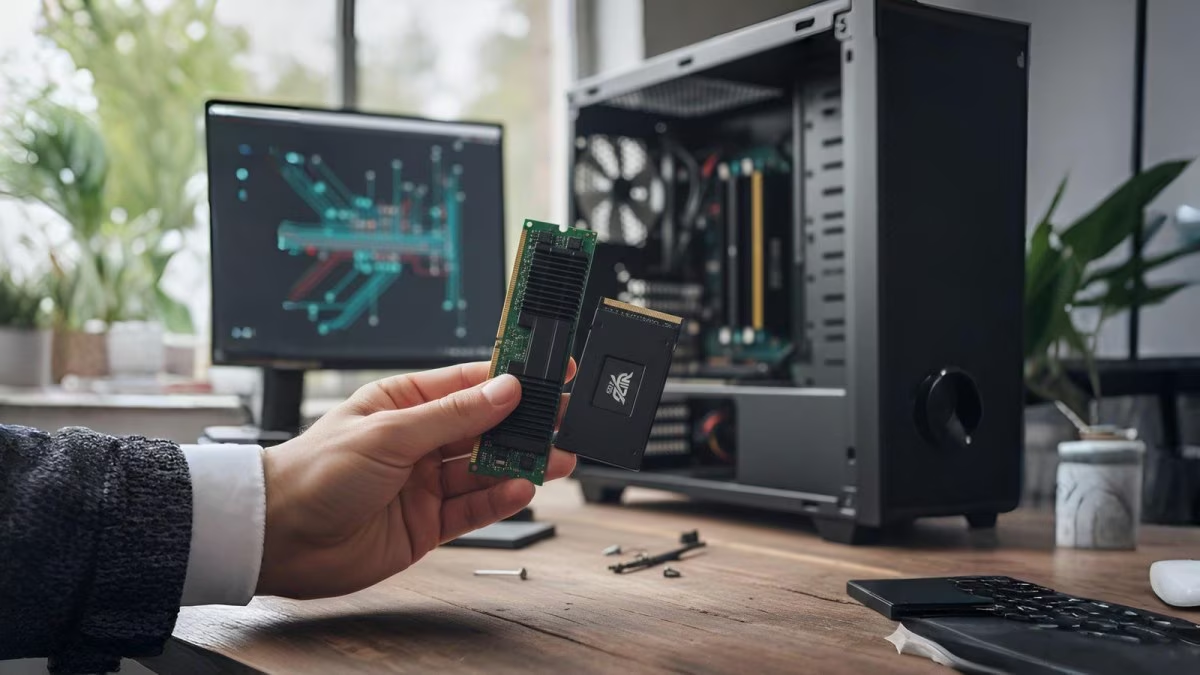
The memory shortage is no longer looking like a short term problem. Silicon Motion CEO Chia Chang Gou says DRAM and NAND supply could remain tight until 2028, with prices likely to keep rising through the second half of this year.
That matters for almost every part of the tech market. DRAM affects PCs, laptops, smartphones, servers, consoles, and AI systems. NAND affects SSDs, phones, handhelds, and data center storage. When both are tight at the same time, prices can move up across the entire hardware chain.
The main pressure is AI. Large AI firms are locking in supply through long term contracts and prepayments, making it harder for consumer products to get enough memory and storage at stable prices. As AI workloads move from training toward inference, demand for both memory and storage is growing at the same time.
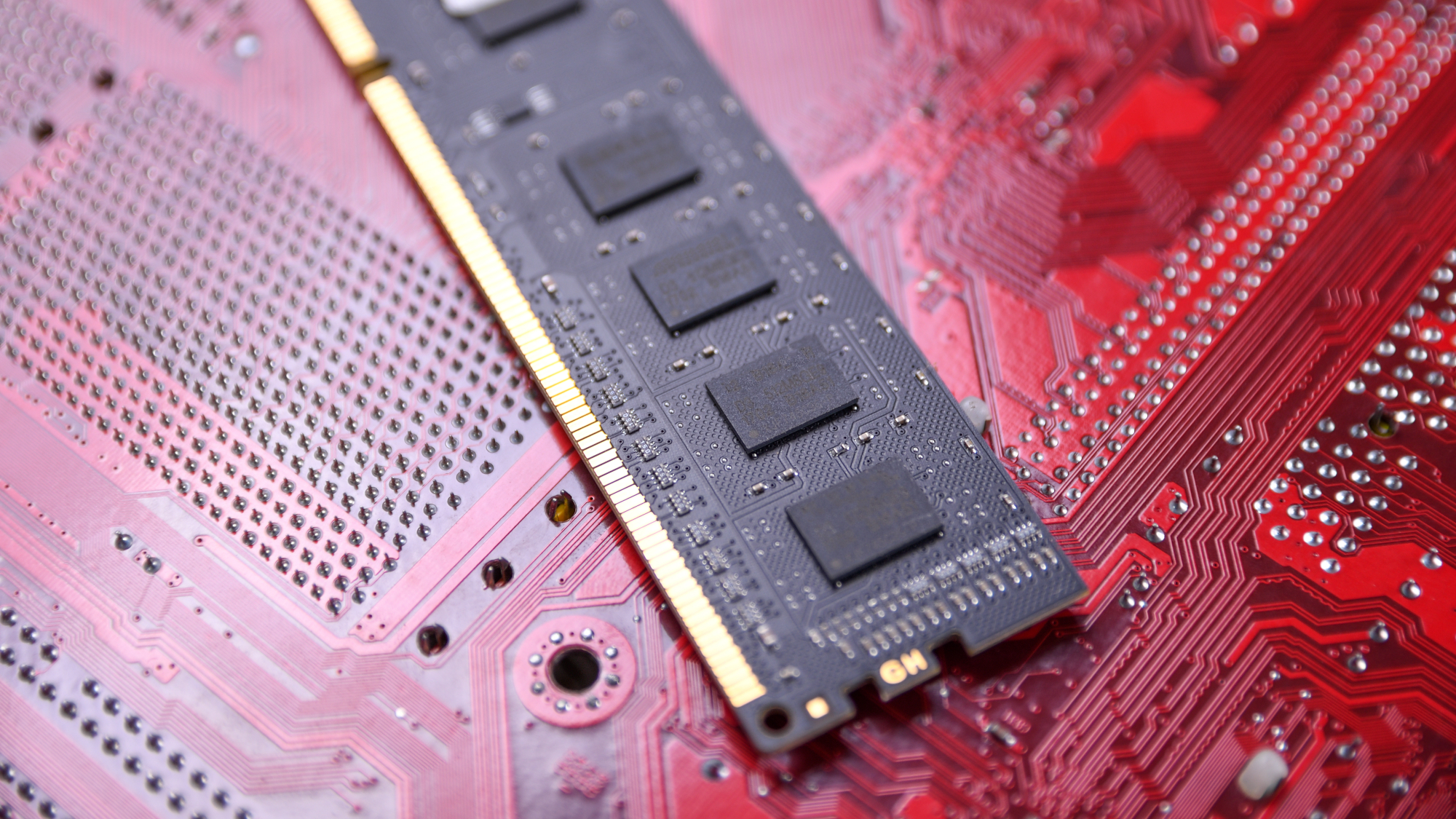
New factories are being built, but they will not solve the problem quickly. Gou said it takes at least two to three years to build a production facility and reach volume output. Even after that, delivery times can stretch another one to one and a half years.
That means the first meaningful supply relief may not arrive until late 2027 or early 2028.
| Issue | Current situation |
|---|---|
| DRAM and NAND supply | Still far below demand |
| Expected shortage timeline | Could last until 2028 |
| Price outlook | Expected to keep rising in the second half of the year |
| Main demand driver | AI training and inference |
| Current supply coverage | Around 60 to 70 percent of total demand |
| New factory timing | Volume production likely late 2027 or early 2028 |
| Consumer impact | Higher prices for RAM, SSDs, PCs, phones, consoles, and handhelds |
The situation is also being made worse by gigawatt scale AI data centers that are coming online over the next few years. These projects need huge amounts of memory and storage, and current production is already not enough to meet demand.
Chinese suppliers were once seen as a possible relief valve, but domestic demand in China is also rising. That puts more pressure on companies such as CXMT and YMTC, instead of freeing up supply for the wider market.
Samsung has already warned that memory shortages may be worse in 2027 than in 2026. That lines up with Silicon Motion’s view that the shortage could drag into 2028.
For consumers, the message is not great. RAM and SSD prices may keep rising, and some lower margin devices could become more expensive or disappear from the market. Budget PCs, handheld gaming devices, entry level phones, and storage upgrades may all feel the pressure.
For PC builders, waiting may not guarantee a better deal soon. Prices could still climb before supply improves. If you need RAM or SSD storage in the near term, it may be safer to watch for discounts rather than assume the market will return to normal quickly.
The AI boom is creating strong demand for chips, memory, storage, power, and data centers all at once. Until production catches up, the shortage will keep spreading far beyond enterprise hardware.
Discussion (0)
Be the first to comment.