



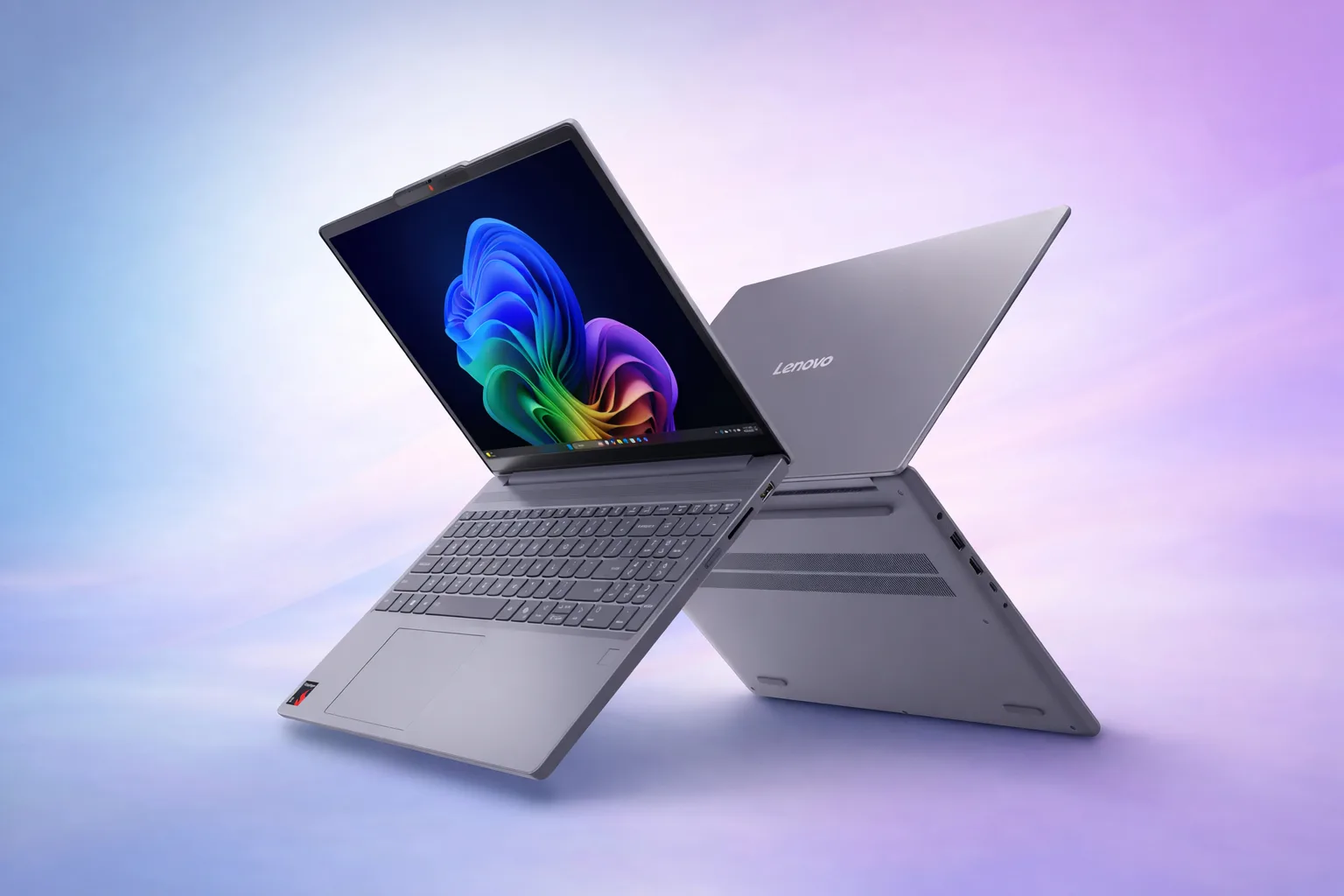
Lenovo has warned that high prices for DRAM and NAND memory could remain a long term problem, with costs unlikely to return to the levels seen in early 2025. The company’s outlook suggests that the pressure created by AI data centers may continue affecting PCs, laptops, smartphones, SSDs, and other consumer devices well into the next decade.
Memory prices began rising sharply in late 2025 as demand for AI servers accelerated. Data center operators need huge quantities of high bandwidth memory, standard DRAM, and enterprise storage to build and run large AI systems. That demand has pushed memory makers to prioritize products that serve cloud companies and major infrastructure customers.
For consumers, the result is simple. Building a PC, buying a laptop, or upgrading storage could remain more expensive than expected for years.
New Memory Supply May Not Be Enough to Lower Prices Quickly
Major memory manufacturers are investing in new factories and increasing production plans, but new capacity takes years to build and begin producing meaningful volumes. Lenovo’s presentation suggested that even as new supply arrives, it may not be enough to close the gap between demand and available memory.
The company reportedly expects higher prices to become the normal market condition through 2030 and beyond. That does not mean every memory kit or SSD will rise in price every year, but it does suggest that the unusually low prices seen before the AI boom may not return.
| Product Category | Likely Effect of Higher Memory Costs |
|---|---|
| Desktop RAM | More expensive DDR4 and DDR5 upgrades |
| Laptops | Higher prices or lower memory configurations |
| Smartphones | More models launching with limited RAM |
| SSDs | Increased storage costs |
| Game consoles | Greater pressure on future hardware pricing |
| Prebuilt PCs | Less memory and storage at lower price points |
The situation may also encourage manufacturers to reduce standard memory configurations. Some entry level systems could ship with 8GB of RAM, while lower cost mobile devices may return to 4GB configurations that were becoming less common in recent years.
AI Data Centers Are Taking Priority Over Consumer Hardware
Memory suppliers are earning strong returns from AI focused products, especially high bandwidth memory used alongside advanced accelerators. This gives companies a reason to focus manufacturing capacity on enterprise and cloud customers that place large orders and can commit to long term supply agreements.
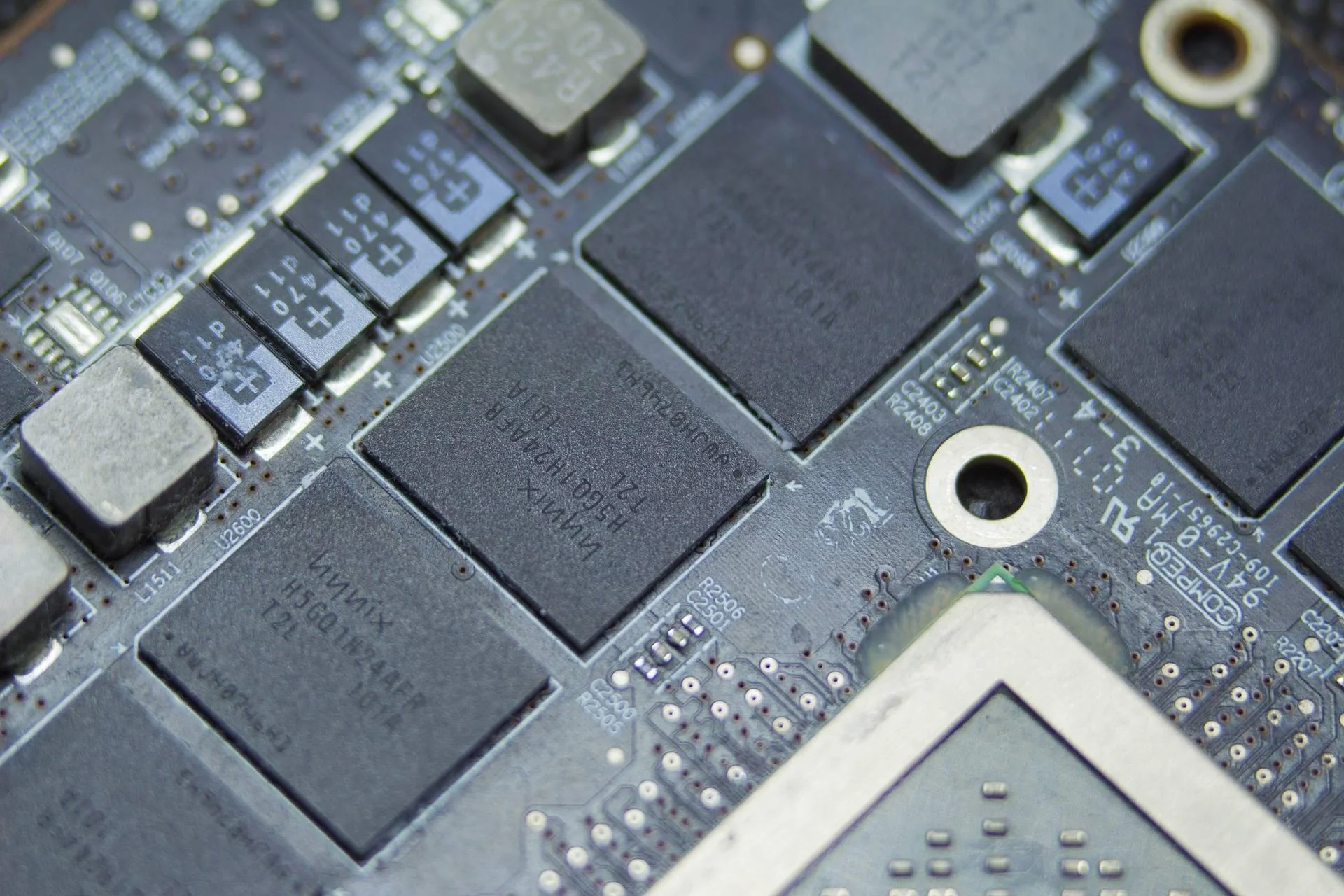
That leaves consumer hardware makers competing for a smaller share of available DRAM and NAND. Laptop makers, smartphone brands, console companies, and desktop PC manufacturers may need to adjust their products around higher component costs.
Some companies could absorb part of the increase, but many will likely pass it on through higher retail prices or reduced specifications. A laptop that previously included 16GB of RAM and a 1TB SSD may instead ship with 8GB of RAM and 512GB of storage at a similar price.
What This Could Mean for PC Buyers
People planning a new PC build may need to pay closer attention to memory and storage prices than they did in previous years. RAM and SSD upgrades were once among the easiest and cheapest ways to improve a system, but that may no longer be true if supply remains tight.
Buying the right amount of memory at the start could become more important. A system with 16GB may be enough for basic work today, but 32GB could offer better long term value for gaming, creative tasks, and heavy multitasking if upgrade prices continue to rise.
Lenovo’s warning is not a guarantee that prices will remain high forever. New factories, weaker demand, or changes in AI spending could still improve the market. But for now, the industry appears to be preparing for a longer period of expensive memory rather than a quick return to cheaper hardware.



Discussion (0)
Be the first to comment.