




A LEGO fan has turned a common problem into a working web tool with help from OpenAI Codex. James Bruce, a WordPress developer and tech writer, built BrickBacklog after getting tired of searching through large boxes of mixed LEGO pieces while trying to rebuild old sets.
Bruce shared the original story in a LinkedIn post, where he said he enjoys buying old bulk LEGO boxes and figuring out which sets are hidden inside them. The hard part was not the detective work. It was finding the right pieces when thousands of bricks were mixed together. So, he asked ChatGPT Codex to help build a simple web tool for the job.
BrickBacklog turns the boring job of sorting LEGO pieces into a simple visual checklist
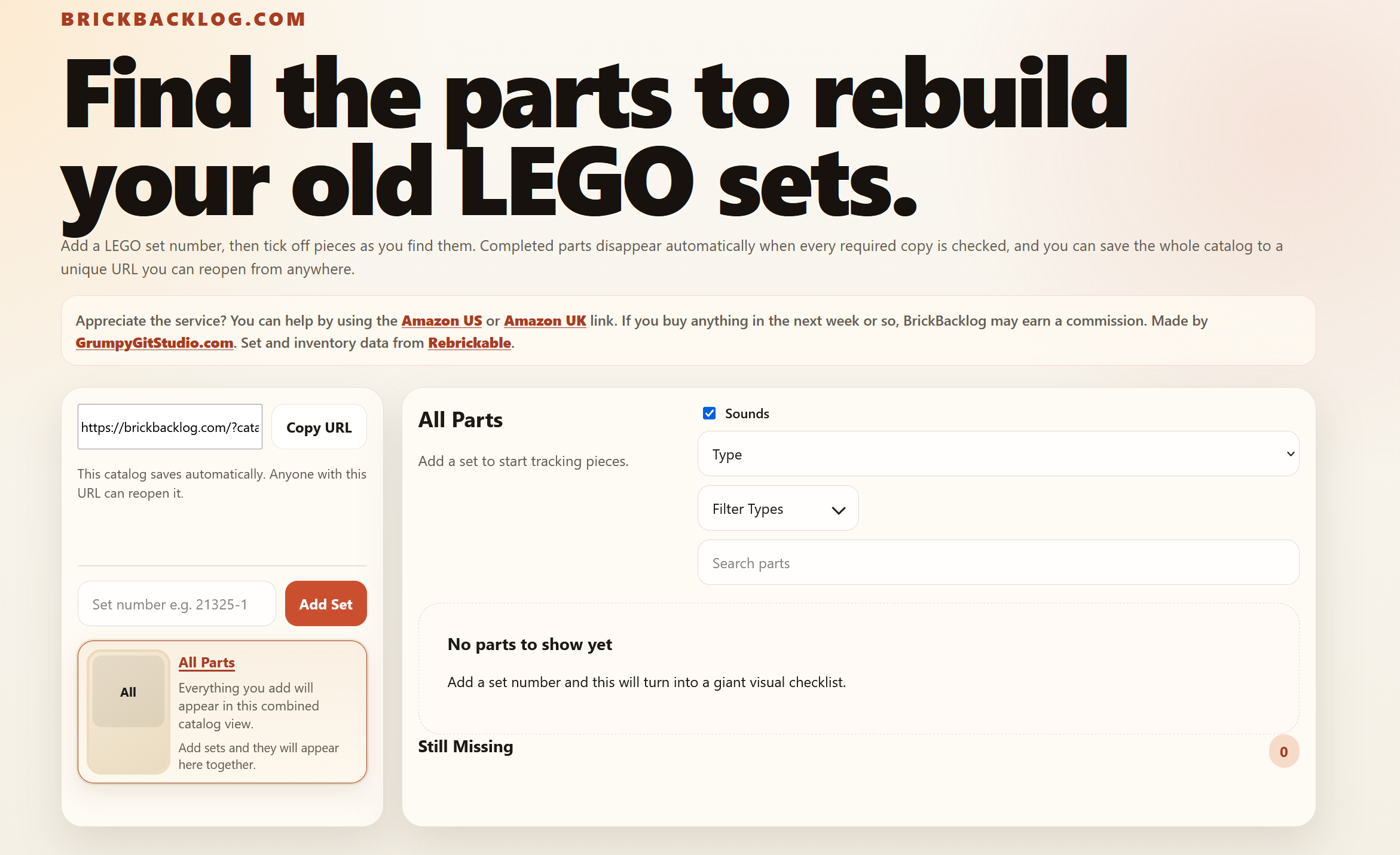
BrickBacklog is made for people who want to rebuild old LEGO sets from loose parts. The idea is simple: users enter a LEGO set number, and the site shows the pieces needed for that set. They can then tick off the parts as they find them.
The site says completed parts disappear once every required copy has been checked off. It also lets users save the whole catalog to a unique URL, so they can open it again later from another device. BrickBacklog says its set and inventory data comes from Rebrickable.
| Detail | What it means |
|---|---|
| Tool name | BrickBacklog |
| Built by | James Bruce |
| Main use | Helps users track LEGO pieces needed to rebuild old sets |
| Login needed | No login required, according to Bruce |
| Data source | Rebrickable, according to the site |
What makes the story interesting is the speed. Bruce said Codex created a working prototype in about 15 minutes. Less than an hour later, he had bought a domain and uploaded the first version. It was not perfect at the start, especially for larger sets, but it was already useful enough to prove the idea
OpenAI describes Codex as a coding agent for software development. It can help write features, answer questions about a codebase, fix bugs, and suggest code changes. That explains why a small personal project like BrickBacklog could move so quickly from idea to working site.
Bruce also said the tool would have taken him months to build manually, even though he has about two decades of web development experience. His point was not that coding knowledge has no value, but that his role felt different. Instead of writing every part himself, he was directing AI tools and checking the results.
That is the bigger lesson from BrickBacklog. AI coding tools are not only helping large companies or professional software teams. They are also letting individuals solve small, personal problems that may never become full commercial products.
BrickBacklog may sound like a niche tool, but that is exactly why it is useful. Many people have small problems that are too specific for a big company to solve. With tools like Codex, those ideas can become real websites much faster than before. For LEGO fans with boxes full of loose pieces, Bruce’s weekend project could save a lot of time.



Discussion (0)
Be the first to comment.