



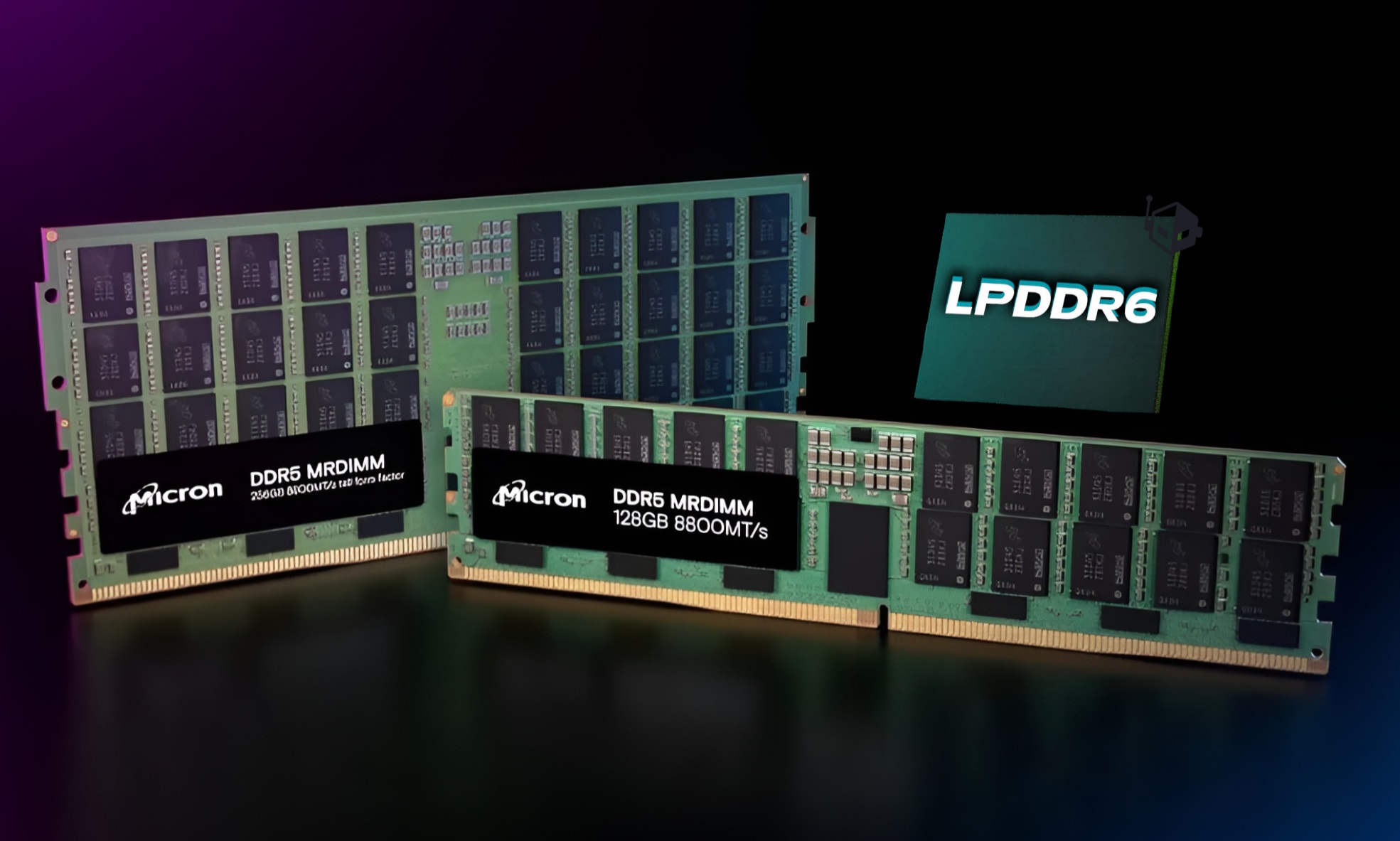
JEDEC is moving ahead with faster DDR5 MRDIMM standards as AI datacenters continue to demand more memory bandwidth and capacity. The latest roadmap targets DDR5 MRDIMM Gen2 designs running at up to 12,800 MT/s, which is about 45% faster than the first generation 8,800 MT/s modules announced two years ago.
MRDIMM is built for servers rather than normal consumer PCs. Its job is to help datacenter systems feed CPUs and accelerators with more data, which matters more now because AI workloads can be limited by how quickly memory can move information.
Faster MRDIMM modules are aimed at AI and datacenter systems
AI systems need more than raw compute. They also need enough memory bandwidth to keep processors busy. If memory cannot deliver data fast enough, expensive chips can sit waiting instead of doing useful work.
That is why JEDEC is updating the standards around DDR5 MRDIMM. The group has already published a new DDR5 Multiplexed Rank Data Buffer standard, known as JESD82 552. A related DDR5 Multiplexed Rank Registering Clock Driver standard is expected soon. These pieces help with signal integrity, timing, and stable operation as memory speeds climb.
| JEDEC MRDIMM update | What it means |
|---|---|
| DDR5 MRDIMM Gen2 | New server memory standard nearing completion |
| 12,800 MT/s target | 45% faster than first generation MRDIMM speeds |
| New data buffer standard | Helps memory modules stay stable at higher bandwidth |
| New clock driver standard | Improves timing and signal control |
| Gen3 work underway | JEDEC is already planning the next step |
The earlier DDR5 MRDIMM designs reached up to 256GB per module and 8,800 MT/s. The new Gen2 work keeps the same general goal, but pushes bandwidth much higher for next generation servers. JEDEC is also already looking beyond Gen2, with MRDIMM Gen3 development in progress.
This matters because AI hardware is now putting pressure on every part of the memory stack. HBM gets most of the attention because it sits close to AI accelerators, but server CPUs and large memory pools still need faster and denser DRAM modules. MRDIMM is one way to increase bandwidth without waiting for an entirely new platform shift.
For datacenter operators, higher speed MRDIMM could help improve system efficiency. More bandwidth can reduce bottlenecks, improve processor use, and support larger workloads. It will not replace HBM in high end AI accelerators, but it can improve the surrounding server memory architecture.
For regular PC buyers, this does not mean desktop DDR5 will suddenly jump to these speeds. MRDIMM is a server focused technology. Still, the direction is clear. AI is pushing memory standards forward quickly, and that pressure is shaping both datacenter hardware and the wider memory market.
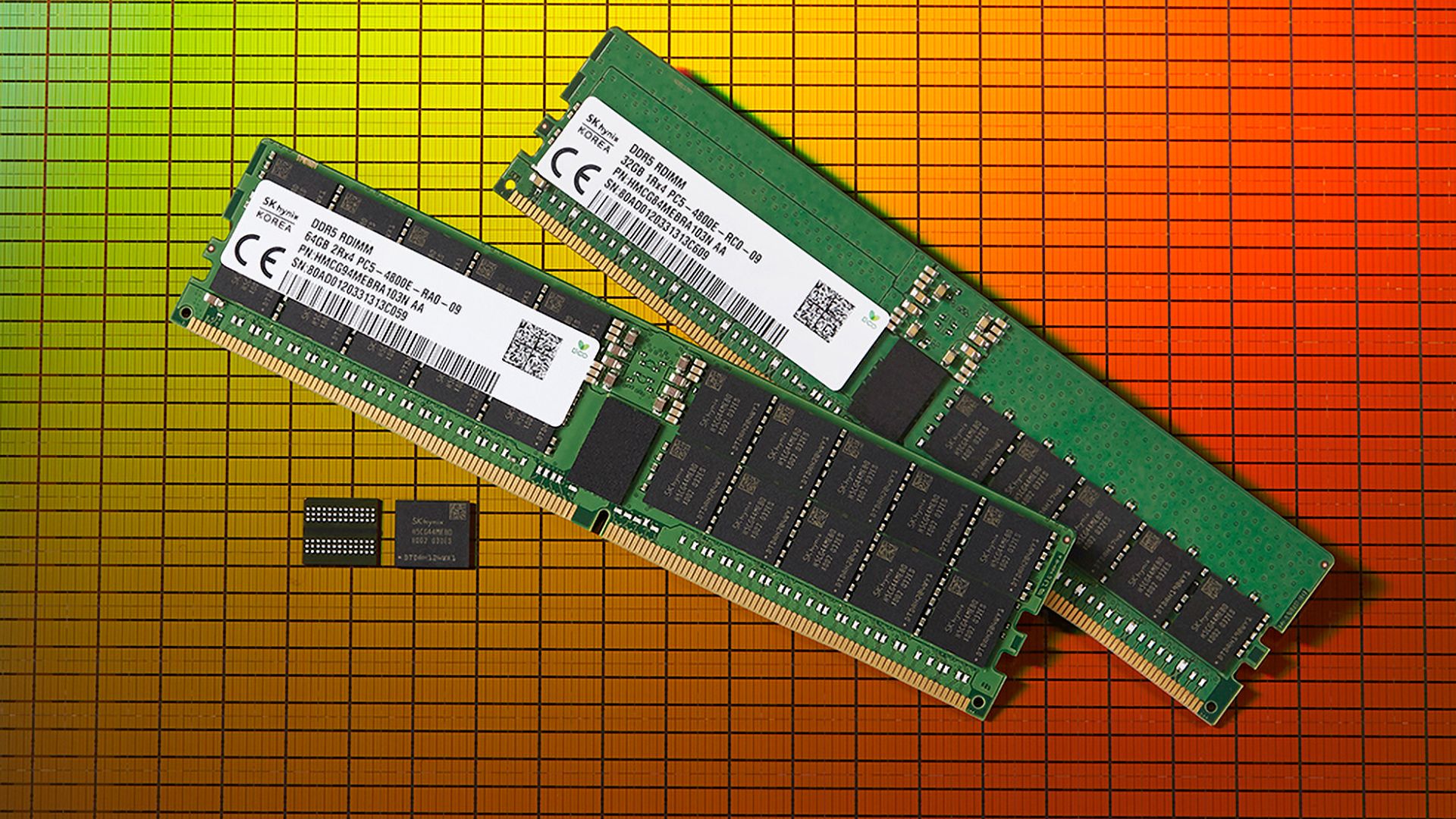
JEDEC’s 12,800 MT/s target shows that memory bandwidth has become one of the most important limits in modern computing. Compute power keeps growing, but it only matters if systems can feed data fast enough.

Discussion (0)
Be the first to comment.