



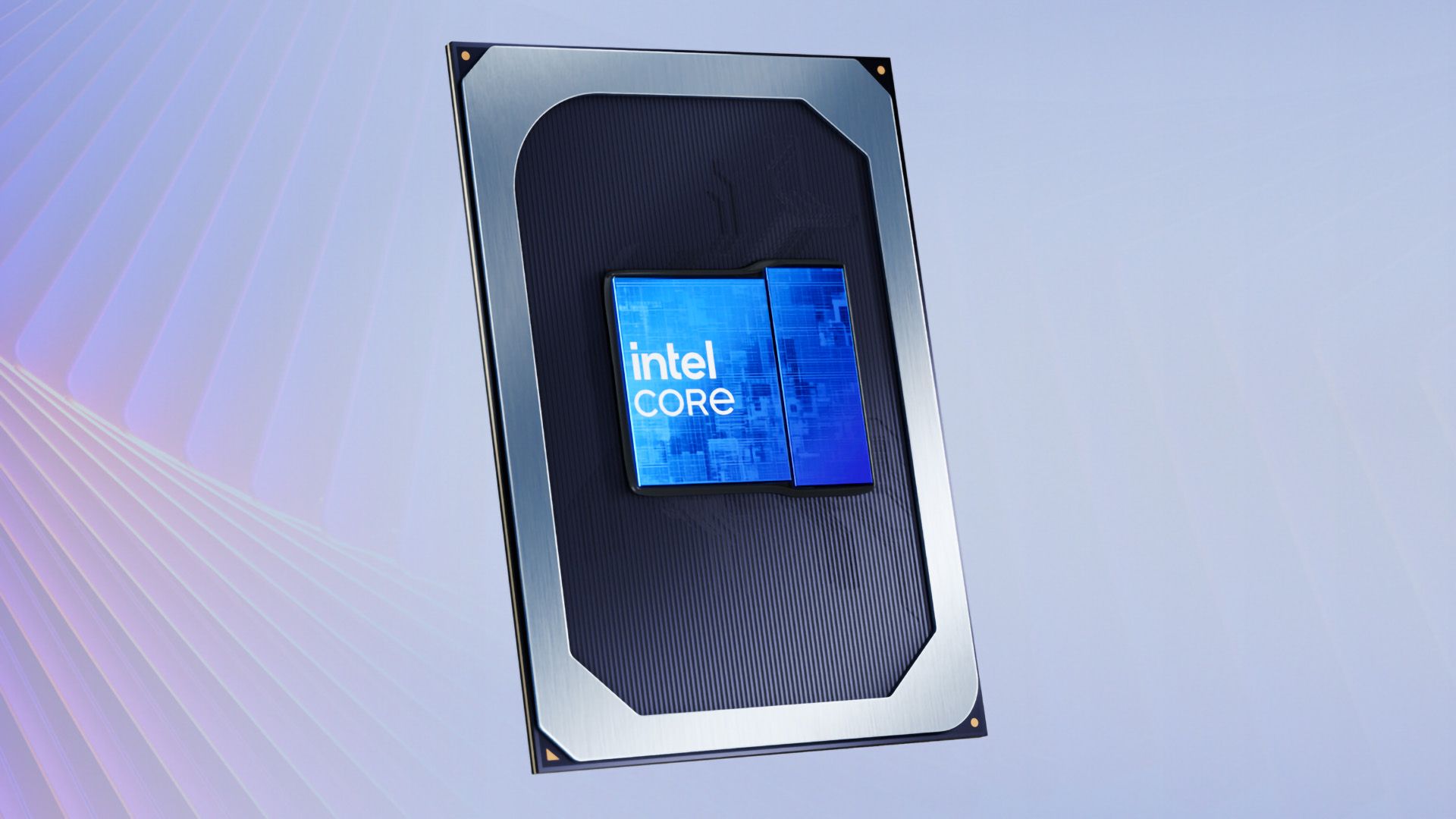
Intel’s Project Firefly is a new laptop design effort built around Wildcat Lake processors, with the goal of bringing thinner, cleaner, and more premium looking notebooks to lower price segments. Instead of focusing only on the processor, Intel is trying to standardize a full device recipe that includes the chassis, display, keyboard, memory, ports, and internal layout.
The idea is simple. A budget laptop should not automatically feel cheap. Intel wants its partners to use phone and tablet supply chains, high volume components, and a more unified design approach to make affordable laptops thinner and better built.
Wildcat Lake, also known as Intel Core Ultra Series 3, is designed for mainstream and entry level systems. It uses a simpler CPU layout than Panther Lake, with performance cores and low power efficient cores for everyday workloads. That makes it a better fit for affordable devices that still need modern performance, battery life, and AI ready features.
Project Firefly is about the whole laptop, not only the chip
Intel says buyers do not purchase a processor by itself. They buy a complete device. That means the feel of the chassis, the quality of the keyboard, the display, the ports, the thermals, and the size all matter.
Project Firefly is Intel’s attempt to help partners build better complete systems around Wildcat Lake. The company is working with the China tech ecosystem because phone and tablet suppliers already operate at huge scale. That makes it easier to source slimmer parts, metal bodies, and compact components at lower cost.
| Area | Project Firefly focus |
|---|---|
| Processor | Intel Wildcat Lake |
| Target market | Budget and mainstream laptops |
| Chassis | Thin metal body |
| Reference thickness | 12.9 mm |
| Cooling design | Clean exterior with minimal venting |
| Ports | USB Type A, USB Type C, Thunderbolt |
| Supply chain idea | Use phone and tablet component scale |
| Partner approach | Full recipe or partial design adoption |
This approach could help PC makers avoid the usual problem where low cost laptops feel bulky, plastic, or outdated even when the chip inside is capable.
Intel Color shows what the reference design can look like
Intel showed a Project Firefly reference design called Intel Color. The laptop uses a metal chassis and measures just 12.9 mm thick, which is unusually slim for an entry level focused design.
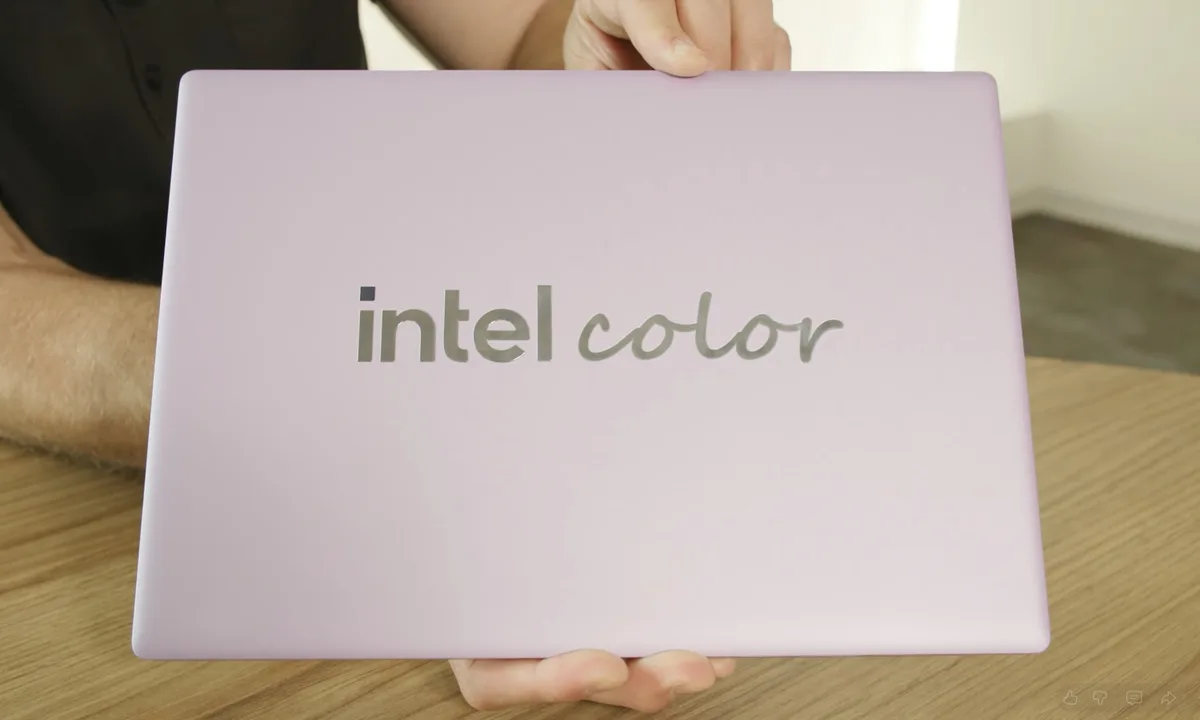
The system also avoids large visible vents on the back, giving it a cleaner appearance. It still includes modern ports, including USB Type A, USB Type C, and Thunderbolt, so the design is not sacrificing basic usability for thinness.
This matters because cheaper laptops often cut corners on materials and ports. Intel is trying to show that a budget laptop can still look and feel closer to a premium device.
Wildcat Lake gives Intel a mainstream platform to scale
Wildcat Lake is important because Intel needs a processor family that can cover affordable laptops without depending only on older entry level chips. Previous budget processors such as Alder Lake N and Twin Lake N were useful for basic PCs, but Wildcat Lake is meant to offer a more modern experience.
By pairing Wildcat Lake with Project Firefly, Intel can give partners a repeatable blueprint. A vendor can use the full design recipe or adapt only parts of it. That gives companies flexibility while still helping them move faster.
Intel also showed a Core Logic Module that combines the Intel SoC with two phone derived memory chips. This could help speed up development and reduce design complexity for partners building compact systems.
PC makers are already building around the idea
Intel says partners such as Dell, ASUS, Colorful, Acer, and others have started producing mainstream designs using this approach. Some products are already on the market, while others are expected in the coming months.
That partner support will decide whether Project Firefly becomes meaningful or remains only a reference design. If enough brands use it well, shoppers could start seeing more affordable laptops with metal bodies, thinner designs, and better everyday hardware.
The timing is important because mainstream laptops are under pressure from multiple sides. Apple has made thin and efficient laptops more desirable, while Windows PC makers need better low cost designs to compete in schools, offices, and emerging markets.
Project Firefly could improve budget laptop quality
Project Firefly will not make every cheap laptop feel like a flagship. Price limits still matter. Displays, batteries, speakers, trackpads, and memory choices can still vary widely between models.
But Intel’s plan could raise the floor for budget laptops. A shared design recipe can help manufacturers reduce development cost while improving build quality. If phone and tablet supply chains make metal chassis and compact boards cheaper to use, buyers could get better hardware without moving into premium price ranges.
For Intel, this is also about keeping its chips relevant in the mainstream PC market. A strong processor is easier to sell when it sits inside a laptop that feels modern.
Project Firefly shows Intel thinking beyond silicon. With Wildcat Lake, thin metal designs, modern ports, and partner friendly development tools, the company is trying to make affordable Windows laptops more attractive. If the execution is good, the biggest winners could be everyday buyers who want a lower priced laptop that does not feel like a compromise.



Discussion (0)
Be the first to comment.