



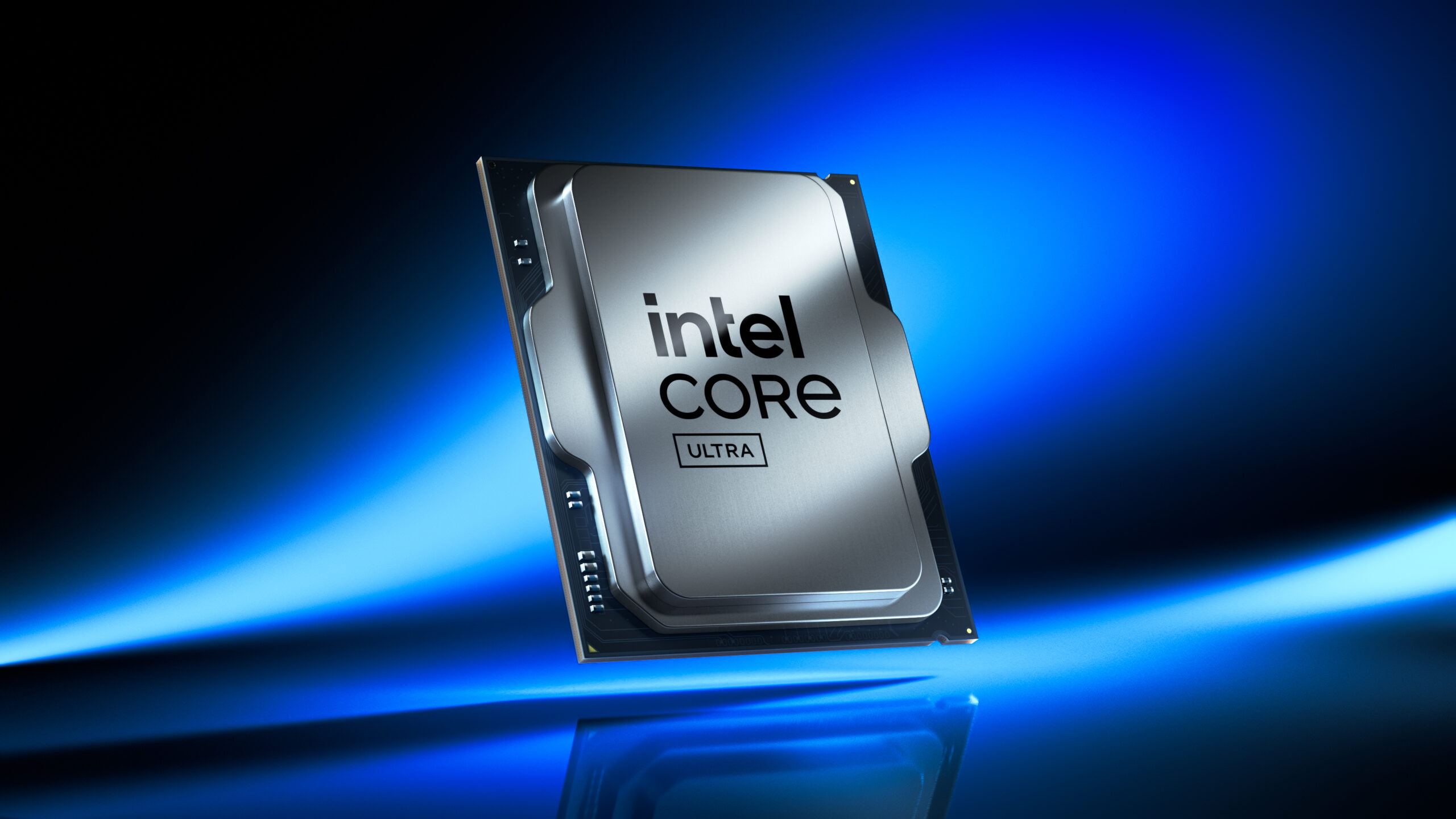
Intel’s next major desktop CPU platform may arrive later than expected, with new Computex reports pointing to an early 2027 launch for Nova Lake. The upcoming chips are expected to become Intel’s Core Ultra Series 4 desktop family, bringing new CPU cores, a new socket, new 900 series motherboards, and much higher core counts for enthusiast PCs.
Nova Lake is shaping up to be a major platform reset rather than a small refresh. The chips are expected to use new Coyote Cove performance cores and Arctic Wolf efficiency cores, along with Xe3 and Xe3P integrated graphics. The desktop lineup is also expected to rely on TSMC manufacturing rather than Intel’s own process technology.
Earlier rumors suggested Nova Lake desktop chips could arrive in the second half of 2026, but the latest information points to a CES 2027 announcement, followed by retail availability in the weeks after. The first wave may only include 28 core models based on a single compute tile. The larger 52 core models are expected later, possibly closer to Computex 2027.
| Feature | Intel Nova Lake desktop expectation |
|---|---|
| Brand | Core Ultra Series 4 or Core Ultra 400 |
| Launch window | Early 2027 |
| First rollout | 28 core single tile models |
| Later rollout | Up to 52 core dual tile models |
| P cores | Coyote Cove |
| E cores | Arctic Wolf |
| Socket | LGA 1954 |
| Motherboards | Z990 and Z970 |
| Memory | DDR5 with wider CUDIMM support |
| Max reported power | Over 700W PL4 on dual tile models |
The highest end Nova Lake desktop chips could be very aggressive. Reports claim Intel is preparing models with up to 52 cores, made from 16 performance cores, 32 efficiency cores, and four low power efficiency cores. These chips would be aimed at high end desktop users, creators, and entry level workstation buyers rather than normal gaming PCs.
That kind of core count could help Intel compete more directly with AMD’s upcoming Zen 6 desktop chips and even lower end Threadripper style systems. AMD’s next generation Ryzen platform, codenamed Olympic Ridge, is expected to stay on AM5 and may offer up to 24 cores and 48 threads. Intel, meanwhile, appears to be moving to a new LGA 1954 socket.
Higher power and heat may be part of the deal
The biggest concern is power. The 52 core Nova Lake models are rumored to have a 175W PL1 rating, with PL2 power around 300W to 400W. The highest short term PL4 power limit could reportedly exceed 700W on dual tile models.
That does not mean the CPU will always draw 700W during normal use, but it does suggest Intel’s top Nova Lake parts may need serious cooling and stronger motherboard power delivery. Enthusiast boards will likely need to be built for heavy loads, especially if Intel wants these chips to appeal to content creators and workstation buyers.
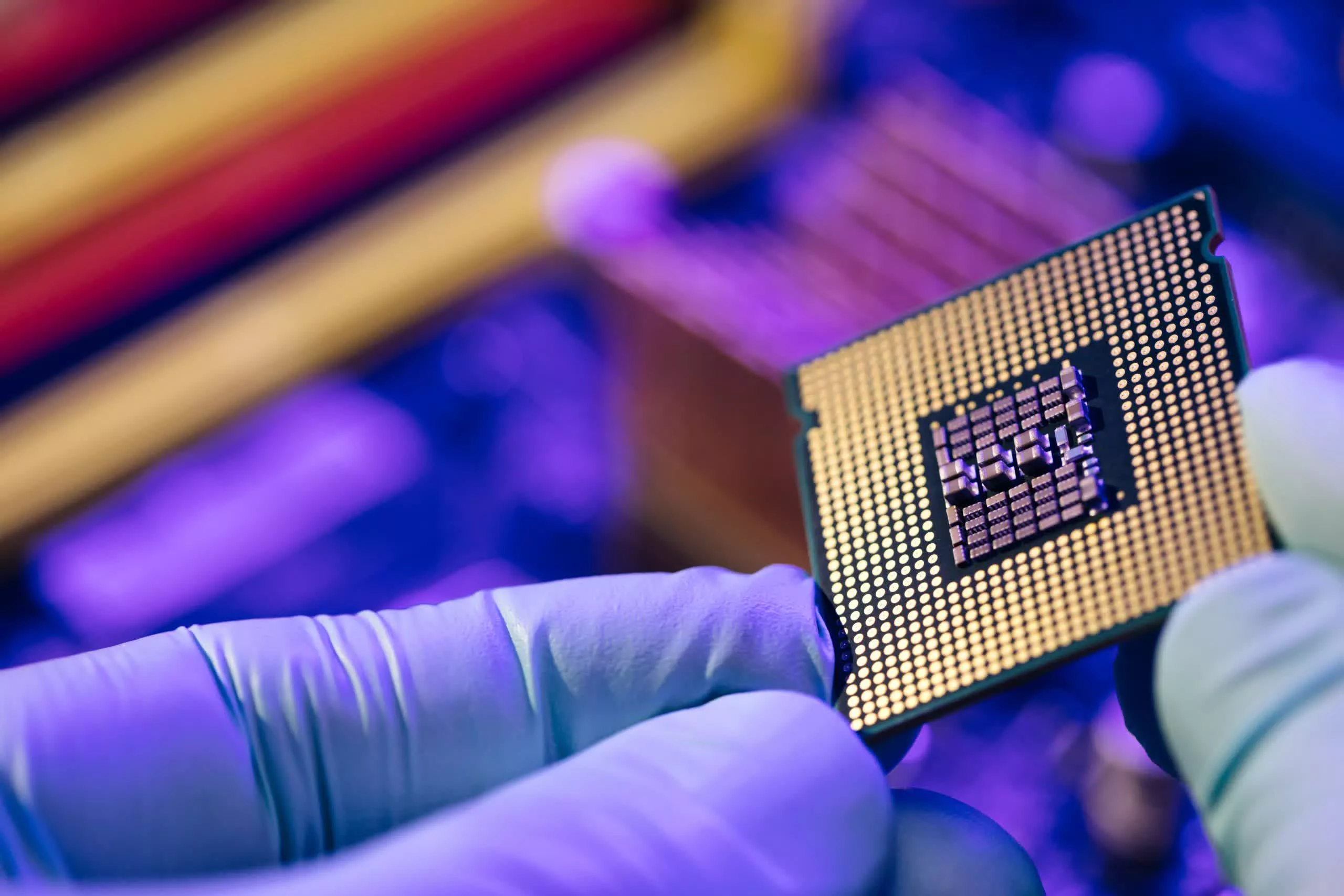
Intel is also reportedly preparing thermal changes for the new LGA 1954 platform. A new dual lever integrated loading mechanism may help apply pressure more evenly. The heatspreader is expected to be flatter than earlier designs, which could improve contact with coolers and help move heat away from the chip more effectively.
The new platform may also bring more advanced overclocking. Intel has reportedly shown partners a feature called Multi Core OC, which would let users overclock individual cores separately. This could give enthusiasts more control over high core count CPUs, especially when some cores can run faster or cooler than others. The feature may only be available on unlocked higher end models.
Another notable possibility is the return of SMT on Intel desktop CPUs. Intel has already been expected to bring SMT back to future data center chips, but reports now suggest the company may be accelerating plans for desktop as well. If true, that could be a major shift after Intel moved away from Hyper Threading style support on recent hybrid designs.
Motherboard vendors also appear to be preparing early. Multiple Z990 and Z970 boards were reportedly seen at Computex, including prototype designs. One Z990 board used two 8 pin CPU power connectors plus an additional 8 pin connector for PCIe related power delivery. That suggests the platform is being designed for demanding high end configurations.
The Z990 platform is expected to support Thunderbolt 5, extensive DDR5 memory tuning, and Gen5 support across PCIe and M.2 slots on higher end boards. DDR5 support may also be broader than current platforms, with CUDIMM playing a larger role as speeds continue to rise.
Nova Lake could arrive at a difficult time for the PC market. Memory and component prices are rising, and buyers are already under pressure from expensive GPUs, SSDs, and DDR5 kits. A new Intel platform with a new socket, new boards, and high power requirements may be powerful, but it may also be costly to adopt.
Still, Nova Lake looks like one of Intel’s most important desktop launches in years. If the company can deliver strong single core performance, major multi core gains, better memory support, and a stable Z990 platform, it could regain attention from gamers, creators, and workstation users.
The risk is that power, heat, and platform cost may become major talking points. A 52 core desktop CPU sounds impressive, but it needs to be practical enough for real systems. Intel’s challenge will be turning Nova Lake from a big specification jump into a platform that people actually want to build around.



Discussion (0)
Be the first to comment.